







The Benefits of Learning a Second Language: Cognitive and Cultural Advantages
Introduction:
Learning a second language has numerous benefits that extend beyond simply being able to communicate in a different language. From enhancing cognitive abilities to fostering cultural understanding, the advantages of learning a second language are vast. In this article, we will explore the cognitive and cultural benefits of learning a second language and discuss how language learning can positively impact various aspects of life.
- Cognitive Benefits of Second Language Acquisition:
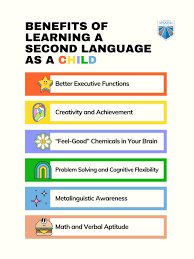
- Enhancing brain function and cognitive flexibility through language learning.
- Improving memory, attention, and problem-solving skills.
- Boosting creativity and critical thinking abilities.
- Language Learning and Academic Performance:
- The correlation between second language acquisition and academic achievement.
- Developing better language skills, which can positively impact reading, writing, and comprehension abilities.
- Gaining a broader perspective through exposure to different cultures and perspectives.
- Cultural Understanding and Global Perspective:
- Promoting cultural awareness and appreciation through language learning.
- Building bridges of communication and fostering connections with individuals from different cultures.
- Developing a global perspective and intercultural competence.
- Increased Career Opportunities:
- Expanding job prospects and marketability in a globalized world.
- Demonstrating adaptability, cultural sensitivity, and communication skills to potential employers.
- Opening doors to international work opportunities and collaboration.
- Strengthening Brain Health and Delaying Cognitive Decline:
- The relationship between bilingualism and improved brain health.
- Delaying the onset of age-related cognitive decline, such as dementia and Alzheimer’s disease.
- Building cognitive reserve through the mental workout of language learning.
- Improved Communication Skills:
- Enhancing overall communication skills, including active listening and nonverbal communication.
- Developing empathy and understanding different perspectives through language learning.
- Overcoming barriers and building connections with diverse individuals and communities.
- Personal Growth and Confidence:
- Boosting self-confidence and self-esteem through language proficiency.
- Embracing challenges and stepping out of comfort zones during language learning.
- Fostering a sense of accomplishment and personal growth through language acquisition.
- Embracing Multilingualism and Language Diversity:
- Celebrating linguistic diversity and promoting inclusivity.
- Valuing multiculturalism and multilingualism in personal and societal contexts.
- Contributing to the preservation of endangered languages and cultural heritage.
Conclusion:
Learning a second language offers a multitude of benefits, ranging from cognitive advantages to cultural understanding and personal growth. By engaging in language learning, individuals can expand their cognitive abilities, gain a global perspective, and connect with people from different cultures. Embrace the journey of learning a second language, unlock the cognitive and cultural advantages, and open doors to new opportunities and experiences.

