




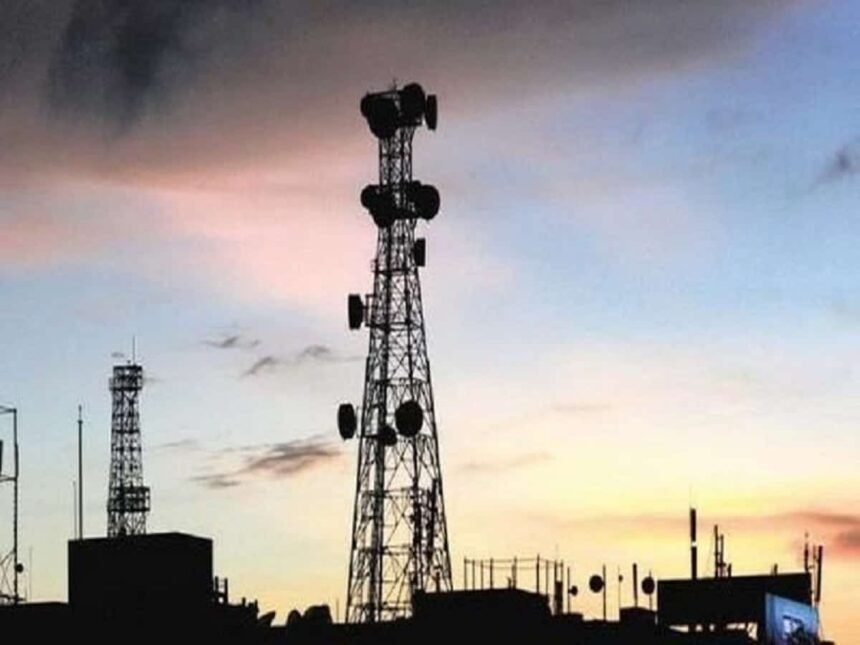
In a recent development, the Digital Infrastructure Providers Association (DIPA) has raised concerns over the new norms notified by the New Delhi Municipal Corporation (NDMC), stating that the quality of telecom services in central Delhi is likely to deteriorate as a result. DIPA has specifically opposed the charges for existing and new mobile towers, as well as the multiple layers of clearances required on a case-by-case basis, which were introduced by the NDMC on June 22.
According to DIPA, the restrictions imposed by the NDMC are likely to have a detrimental effect on the overall telecom connectivity in the region. In a statement, the association highlighted that the quality of telecom services is bound to be impacted and may even be completely deprived as a result of these new regulations.
The concerns raised by DIPA are significant, as telecom connectivity plays a vital role in today’s digital age. Central Delhi, being a crucial hub for businesses, government institutions, and residential areas, heavily relies on uninterrupted and high-quality telecom services. Any deterioration in the quality of these services could have far-reaching consequences for individuals, enterprises, and the overall development of the region.
The charges levied by the NDMC for existing and new mobile towers have become a bone of contention between DIPA and the municipal corporation. DIPA argues that these charges are unjustified and could create financial burdens for telecom infrastructure providers, leading to delays in the deployment of new towers and maintenance of existing ones. Such delays and lack of proper maintenance can result in signal disruptions, call drops, and poor data connectivity.
Moreover, the introduction of multiple layers of clearances on a case-by-case basis has raised concerns among telecom operators and infrastructure providers. These additional bureaucratic procedures can significantly delay the installation and upgrading of telecom infrastructure, leading to a backlog of pending projects. The cumulative effect of these delays could cause a strain on the network capacity, resulting in lower data speeds and reduced call quality.
DIPA is urging the NDMC to reconsider these new norms and engage in a constructive dialogue with stakeholders to address their concerns. The association believes that a collaborative approach, involving all relevant parties, is crucial to finding a balanced solution that ensures both the smooth functioning of telecom services and the interests of the municipal corporation.
The telecom industry has been a key driver of India’s digital revolution, enabling connectivity, e-commerce, and various other essential services. Any policy or regulatory changes that impede the growth and quality of telecom services can have severe repercussions on the economy and society as a whole.
It is important for the NDMC to carefully evaluate the potential impact of its new norms on the telecom infrastructure and take into account the concerns raised by industry experts like DIPA. Balancing the need for revenue generation with the imperative of ensuring reliable and efficient telecom connectivity should be the goal in order to maintain and enhance the digital infrastructure of central Delhi.
The concerns raised by DIPA regarding the new norms notified by the NDMC highlight the potential deterioration in the quality of telecom services in central Delhi. The charges for mobile towers and the multiple layers of clearances imposed by the NDMC have raised apprehensions about the overall connectivity and functionality of the telecom network. It is imperative for all stakeholders to engage in meaningful dialogue to find a mutually beneficial solution that safeguards the interests of both the municipal corporation and the telecom industry, while ensuring uninterrupted and high-quality telecom services for the residents and businesses in central Delhi.