





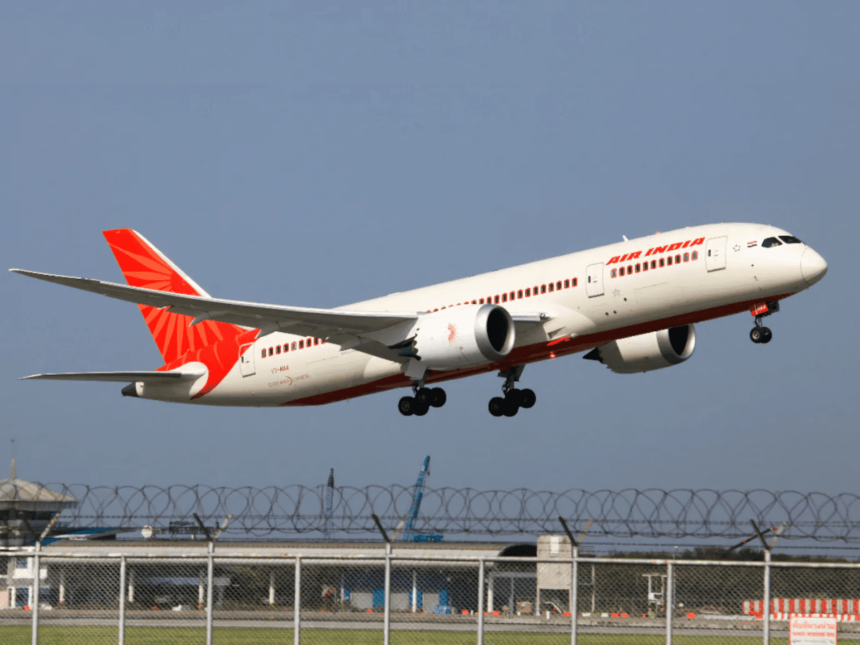
In a shocking incident onboard an Air India flight from Mumbai to the national capital on June 24, a passenger displayed highly inappropriate behavior, prompting the airline to take immediate action. The disruptive individual was apprehended by security personnel upon the plane’s arrival at Delhi airport. Air India has since filed a police complaint and reported the incident to the Directorate General of Civil Aviation (DGCA).
According to authorities, the accused individual has been detained for allegedly engaging in unsanitary acts by defecating and urinating on the floor of the aircraft. The incident has raised serious concerns about the safety and well-being of passengers during air travel.
The unfortunate event unfolded during a routine flight, which quickly turned into a distressing experience for fellow passengers and cabin crew. The disruptive behavior not only caused inconvenience and discomfort but also violated basic norms of hygiene and public decency.
Air India has a zero-tolerance policy towards such misconduct and swiftly handed over the offender to security personnel upon landing. By involving the police and filing a formal complaint, the airline has taken a strong stance against the individual’s unacceptable actions. Additionally, reporting the incident to the DGCA ensures that appropriate action can be taken to prevent similar incidents in the future.
Passengers and crew members onboard flights expect a safe and comfortable journey, free from any kind of disturbance or unruly behavior. Such incidents not only disrupt the travel experience for everyone involved but also pose potential risks to the overall security and orderliness of the flight. Airlines and aviation authorities must work together to ensure strict enforcement of rules and regulations to maintain a peaceful and secure environment onboard.
The incident serves as a reminder of the challenges faced by airlines in managing passenger behavior. It highlights the importance of promoting awareness about appropriate conduct and the consequences of disruptive actions. Passengers must understand their responsibility to maintain decorum and respect the rights and well-being of fellow travelers.
Airlines often emphasize the need for passengers to adhere to safety protocols and regulations. However, incidents like these emphasize the necessity of addressing behavioral guidelines as well. Proper training and awareness programs should be implemented to educate passengers about the importance of respectful behavior, personal hygiene, and the impact of their actions on others.
Moreover, cabin crew members play a crucial role in maintaining order and ensuring the safety of everyone onboard. They should receive comprehensive training to handle challenging situations effectively and defuse conflicts with minimal disruption to other passengers. Adequate support systems and protocols must be in place to swiftly address incidents of disruptive behavior.
The incident onboard the Air India flight calls for a collective effort from all stakeholders in the aviation industry to address the issue of disruptive passengers. Airlines, regulatory authorities, law enforcement agencies, and passengers themselves need to collaborate in fostering a culture of mutual respect and responsible behavior during air travel.
The incident involving a disruptive passenger on the Air India flight highlights the urgent need to address such behavior within the aviation industry. By promptly reporting the incident and involving the necessary authorities, Air India has taken a firm stand against inappropriate actions. This incident should serve as a wake-up call for airlines and passengers alike to prioritize safety, decorum, and respect for a pleasant travel experience.