







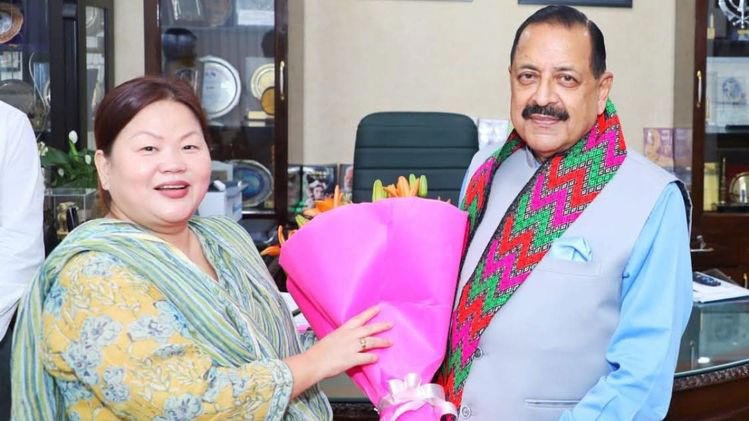
Arunachal Pradesh has launched an ambitious biodiversity and bioeconomy initiative aimed at conserving its ecological wealth while strengthening rural livelihoods. The proposal, which highlights the Arunachal biodiversity project, was recently presented to the Union Ministry of Environment, Forest and Climate Change in New Delhi.
The central government welcomed the initiative and pledged complete cooperation to bring the plan to life.
Read More: Tripura Expands Organic Farming, Boosts Export Success
Arunachal Pushes for Eco-Preservation
Home to rare and endemic species, Arunachal remains a vital part of one of the world’s richest biodiversity zones. Recognizing this, Chief Minister Pema Khandu’s administration outlined a strategy combining environmental protection with community participation.
Officials highlighted the urgent need to curb habitat loss and climate threats. To meet this goal, the state proposed setting up digital biodiversity mapping systems, seed banks, and community-run bioresource parks.
Centre Commits to the Vision
Union Environment Minister Bhupender Yadav called the initiative “forward-looking” and promised support through funding and technical guidance. He praised the project’s alignment with national missions such as LiFE and the Green India Mission.
Other central agencies, including NITI Aayog and the Department of Biotechnology, also showed interest in collaborating.
Bioeconomy to Empower Villages
The Arunachal biodiversity project includes plans to boost the local economy using eco-friendly models. These involve bamboo processing, forest-based products, and cultivation of medicinal herbs.
By helping rural communities build green businesses, the state aims to improve income levels while ensuring sustainable land use.
Chief Minister Khandu noted, “We must treat biodiversity not just as a responsibility, but as a resource for development.”
Youth and Research at the Core
A strong focus of the project lies in education and research. The state plans to partner with institutions such as GB Pant National Institute and the Botanical Survey of India. Training programs will empower students and youth in biodiversity science, climate action, and eco-enterprise.
The education department will also add biodiversity content to school syllabi to inspire environmental stewardship from an early age.
Green Infrastructure Model
While presenting the project, Arunachal officials assured that infrastructure growth would not harm natural ecosystems. The proposal includes safeguards like eco-zoning, smart buffer planning, and satellite-based impact tracking.
Environment Minister Mama Natung emphasized the importance of a “green integrity model” where development and ecology thrive together.
Exploring Global Funding Options
To support this large-scale project, the state is preparing proposals for global climate and biodiversity funds such as GEF and the Green Climate Fund. Central officials have agreed to help Arunachal access these platforms.
By tapping international resources, the state hopes to scale its project across key ecological zones.
Pilot Projects and Monitoring Task Force
The government will roll out pilot programs in Tawang, Ziro, and Changlang. These areas offer both high biodiversity and active community interest.
Additionally, a task force will monitor progress. This team will include scientists, local leaders, forest officials, and youth representatives to ensure accountability and grassroots involvement.
The Arunachal biodiversity project represents a major step in combining conservation with livelihood. Backed by the Centre and built on community support, this project could serve as a model for other states seeking sustainable development.
By investing in nature and people together, Arunachal is charting a future where ecology drives prosperity.
Read More: Margherita Coal Mining Demand Raised by Rights Panel

