





Most people believe fruits are always healthy, no matter the time of day. While fruits are indeed packed with vitamins, fiber, and antioxidants, eating them at the wrong time can affect sleep and digestion. Late at night, your body prepares to rest, and certain fruits may create discomfort, acidity, or even disturb your sleep cycle. That is why it is important to know the fruits to avoid at night and choose better alternatives instead.
Read More: Deepika Padukone to Judge LVMH Prize 2025
Why late-night fruit consumption matters
Your digestive system slows down at night as your body focuses on repair and rest. Eating heavy or acidic fruits before bed can put extra strain on the gut, causing bloating or acid reflux. In addition, fruits high in natural sugar may boost energy levels, which makes it harder to fall asleep. Understanding the fruits to avoid at night helps you enjoy fruit without negative side effects.
Citrus fruits: A trigger for acidity
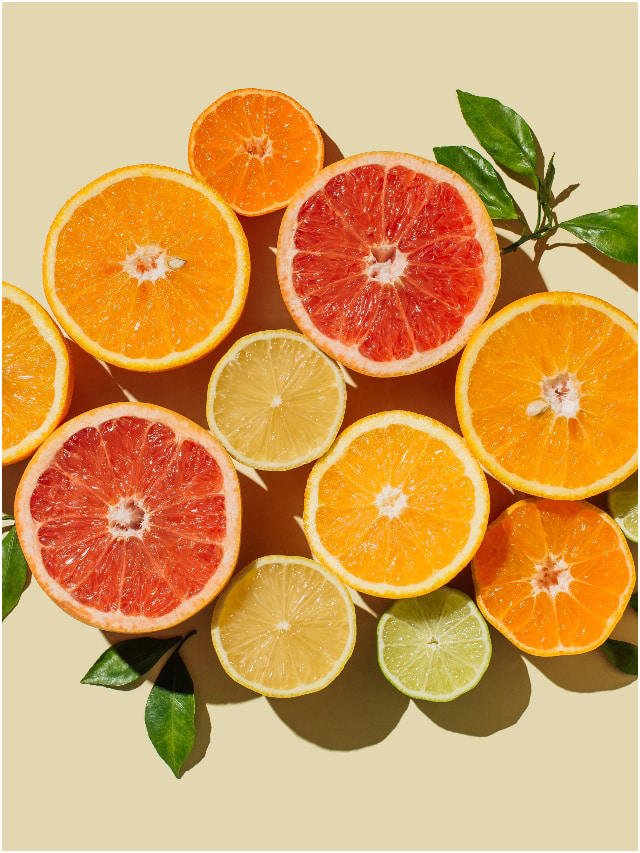
Citrus fruits like oranges, grapefruits, and lemons are highly nutritious but not ideal late at night. Their acidic nature can irritate the stomach lining and lead to heartburn, especially when you lie down soon after eating. People prone to acid reflux often experience disturbed sleep if they consume citrus fruits before bed. To prevent discomfort, it is best to enjoy these fruits during the day when your digestion is more active.
Bananas: Surprisingly heavy at night
Bananas are often praised as a quick energy booster and a rich source of potassium. However, they are among the fruits to avoid at night for people with weak digestion. Bananas produce mucus in the stomach and may cause bloating or heaviness if eaten before sleep. While they are excellent for athletes or as a daytime snack, consuming them late at night might make your body feel sluggish instead of rested.
Mangoes: High sugar load before bed
Mangoes are sweet, juicy, and loved across India, but they are best avoided at night. They are loaded with natural sugars, which provide an instant energy spike. Eating mangoes before bed may disrupt the body’s natural winding-down process. Additionally, the heavy texture of mango pulp can be difficult to digest, leaving you feeling uneasy during the night.
Pineapples: Acidic and stimulating
Pineapples are rich in vitamin C and bromelain, making them a great digestive aid during the day. However, at night, their acidic content may cause irritation in the stomach. Moreover, pineapple stimulates the production of serotonin, which may keep you more awake instead of calming you down. As a result, pineapples are fruits to avoid at night if you want undisturbed sleep.
Apples: A fiber overload
Apples are usually considered one of the healthiest fruits, but eating them late can cause bloating. Their high fiber content stimulates the digestive system, which is less active during nighttime. For some people, apples eaten at night may even lead to gas or discomfort. Instead, it is better to consume apples in the morning, when fiber helps cleanse the stomach and energizes the body.
Watermelon: Too much water at night
Watermelon is refreshing and hydrating, yet it is also one of the fruits to avoid at night. Its high water content can increase the urge to urinate during the night, disturbing your sleep cycle. Moreover, eating large amounts of watermelon before bed may put pressure on the kidneys, which are also winding down at night. It is best enjoyed in the daytime, especially during hot afternoons.
Grapes: Sleep disruption due to sugar
Grapes contain antioxidants and melatonin, which support good health. However, their natural sugar content can interfere with restful sleep. Eating too many grapes before bed may lead to an energy spike followed by restlessness. While they may not cause digestive issues like citrus fruits, grapes are better consumed earlier in the day for maximum benefit.
Better fruit choices at night
Instead of eating fruits to avoid at night, you can choose lighter alternatives that promote better digestion and sleep. Papaya is gentle on the stomach and aids digestion, making it safe for dinner time. Cherries contain natural melatonin that helps regulate sleep cycles. Berries, when consumed in small portions, can also be a good option because they are rich in antioxidants without being too heavy.
Practical tips for eating fruits
If you enjoy fruits daily, try to eat them during the first half of the day when your metabolism is stronger. Mid-morning or afternoon snacks are ideal times. Always avoid mixing fruits with heavy meals late at night, as it slows digestion even further. By following these habits, you can enjoy fruits without experiencing discomfort or sleep problems.
Fruits are vital for health, but timing plays a big role in how your body responds. Citrus fruits, bananas, mangoes, pineapples, apples, watermelons, and grapes are some of the fruits to avoid at night. Their acidity, sugar load, or heavy fiber content may disrupt sleep and digestion.
For better results, stick to lighter fruits like papaya or cherries if you crave something before bed. Ultimately, eating the right fruit at the right time ensures that your body enjoys both nutrition and restful sleep.
Read More: Sikkim Bhutia Association Seeks Sensible Tribal Status Approach