





Diet plays a crucial role in shaping our health. While many foods strengthen immunity and reduce disease risks, some can do the opposite. Studies show that processed, sugary, or fried items may raise the risk of cancer. Knowing what to avoid is just as important as choosing the right foods. This article highlights 15 foods to avoid for cancer prevention, based on available data and research.
Read More: 5 Foods That Boost Natural Hair Growth
Processed Meats
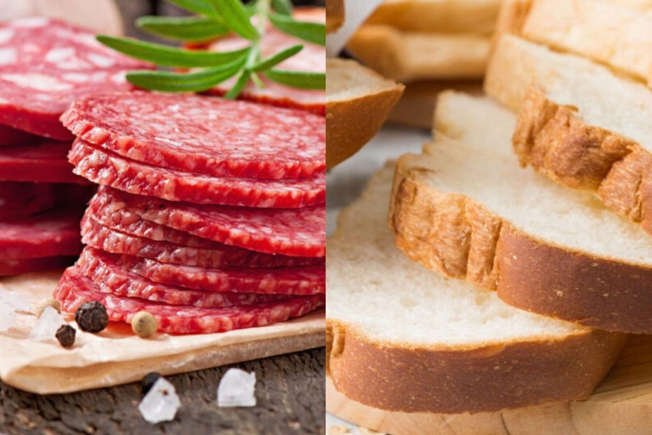
Processed meats like sausages, hot dogs, and bacon contain preservatives such as nitrates. These compounds may form cancer-causing agents during digestion. Regular consumption is strongly linked to colorectal cancer.
Red Meat in Excess
Eating too much red meat, including beef and lamb, can raise cancer risk. Cooking at high temperatures, such as grilling, produces harmful chemicals. Experts advise limiting intake and balancing with plant proteins.
Sugary Drinks
Soft drinks and packaged fruit juices are packed with sugar. They contribute to obesity, which is a major risk factor for several cancers. Avoiding them helps maintain a healthy weight and reduces cancer risk.
Fried Foods
When foods are fried, they may form acrylamide, a compound linked to cancer in studies. French fries and fried snacks are common culprits. Limiting these foods to avoid for cancer protection is wise.
Packaged Snacks
Chips, cookies, and packaged pastries are often high in unhealthy fats and additives. They provide little nutrition but add harmful chemicals that stress the body. Choosing whole, natural snacks is a healthier alternative.
Refined Carbohydrates
White bread, pasta, and rice undergo heavy processing. These foods spike blood sugar, which may fuel cancer cell growth. Replacing them with whole grains lowers risk and improves long-term health.
Excess Alcohol
Alcohol consumption is linked to cancers of the mouth, throat, liver, and breast. Even moderate drinking carries risks. Reducing alcohol is one of the best steps toward cancer prevention.
Canned Foods with BPA
Many canned foods contain BPA, a chemical in the lining of containers. BPA exposure has been linked to hormonal imbalances and cancer risks. Opting for fresh or glass-stored foods is safer.
Artificially Sweetened Drinks
Diet sodas and artificially sweetened products may seem harmless, but some studies suggest links to cancer. More research is needed, but limiting these foods to avoid for cancer remains a cautious choice.
Smoked Foods
Smoked meats and fish absorb tar and other carcinogenic compounds during preparation. Regular intake increases cancer risk, especially stomach cancer. Occasional use is fine, but frequent consumption should be avoided.
Salt-Preserved Foods
Pickled and salt-cured foods may contain carcinogens formed during preservation. High salt intake also damages the stomach lining, creating conditions that allow cancer to develop. Moderation is essential.
Excess Dairy
While dairy provides calcium, excessive intake has been linked to prostate cancer. Whole milk and high-fat dairy can also increase body fat levels. Choosing plant-based options in balance reduces risk.
Ultra-Processed Foods
Foods with long ingredient lists, flavor enhancers, and preservatives harm health. Instant noodles, frozen dinners, and sugary cereals are examples. Regular consumption increases obesity, which is tied to cancer risk.
Charred Foods
Overcooked or charred meat releases heterocyclic amines and polycyclic aromatic hydrocarbons. These chemicals damage DNA and may lead to cancer. Cooking at lower temperatures is a safer method.
High-Sodium Processed Soups
Instant soups and packaged broths contain high sodium levels and chemical additives. Consuming them often stresses the body and raises stomach cancer risk. Opt for homemade soups with fresh ingredients instead.
Why Avoiding These Foods Matters
Food choices affect cell health, immunity, and weight. By steering clear of harmful items, you reduce inflammation and oxidative stress in the body. Maintaining a balanced diet rich in fruits, vegetables, and whole grains is vital. Including lean proteins, legumes, and nuts ensures nutrition without raising cancer risk.
Understanding foods to avoid for cancer prevention is essential for long-term health. Processed meats, sugary drinks, fried items, and ultra-processed foods top the list. By choosing whole, nutrient-dense options instead, you can lower risks and improve overall well-being. A mindful diet empowers you to protect your body from preventable health challenges.
Read More: Sikkim Bhutia Association Seeks Sensible Tribal Status Approach