




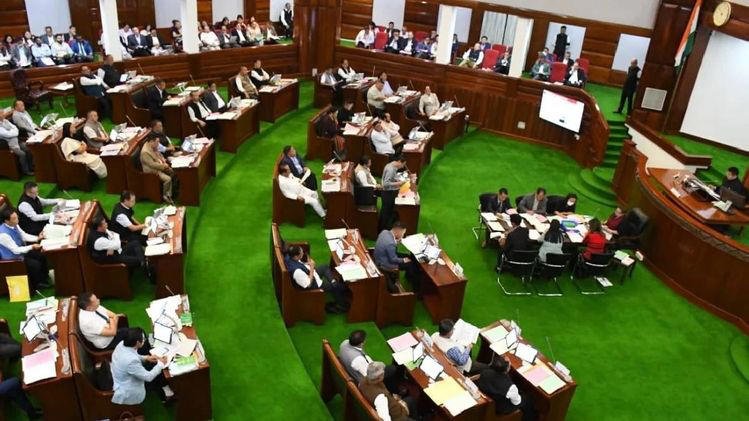
The 14th session of the Nagaland Legislative Assembly (NLA) concluded with significant legislative progress. In a move hailed as a step toward fiscal reform and disaster preparedness, the Nagaland Assembly passes bills related to the State Finance Commission and flood plain zoning. Chief Minister Neiphiu Rio and other legislators emphasized that these measures will strengthen governance while addressing pressing socio-economic and environmental challenges.
Read More: Assam Forest Staff Get Geospatial Training from Balipara Foundation
Finance Commission Bill: Ensuring Fiscal Stability
One of the major highlights of the session was the passage of the Finance Commission Bill. With this step, the Nagaland Assembly passes bills that aim to streamline financial distribution between the state and local bodies. The bill provides a framework to ensure funds are allocated fairly, strengthening grassroots governance.
Legislators argued that decentralization is key to balanced development. By empowering urban local bodies and village councils with equitable financial resources, the bill will enable better delivery of services. Chief Minister Rio highlighted that transparent and timely transfers of funds are essential for bridging development gaps across districts.
The Finance Commission Bill also introduces mechanisms for accountability. Local authorities will be required to maintain strict records of fund utilization, ensuring transparency. Lawmakers believe that fiscal discipline will encourage efficient use of public money and prevent misuse of resources.
Flood Plain Zoning Bill: Preparing for Climate Challenges
The second major legislative achievement of the session came when the Nagaland Assembly passes bills on flood plain zoning. This bill responds to growing concerns about the state’s vulnerability to floods, especially during heavy monsoon seasons. With climate change intensifying weather patterns, the legislation aims to minimize damage to lives and property.
The Flood Plain Zoning Bill allows authorities to classify land areas based on flood risk. Construction, agriculture, and other human activities in high-risk zones will be regulated to reduce hazards. This framework ensures that development does not come at the expense of safety.
Lawmakers noted that unchecked construction along rivers and wetlands has worsened flooding incidents in recent years. By adopting scientific zoning practices, the government hopes to prevent such disasters and safeguard vulnerable communities.
Balancing Development and Safety
During debates, several members emphasized the importance of balancing development needs with environmental safeguards. While infrastructure growth is necessary, legislators agreed that it should not endanger lives. The Nagaland Assembly passes bills that reflect this balance by promoting long-term resilience.
Community participation is another critical element. The Flood Plain Zoning Bill encourages consultation with local bodies before implementing regulations. This ensures that residents are not only protected but also informed and involved in planning processes. Lawmakers believe that cooperation between citizens and authorities will enhance disaster preparedness across the state.
Broader Implications of the Bills
The passage of these bills marks a turning point for Nagaland’s legislative agenda. By addressing fiscal stability and disaster management in the same session, the Nagaland Assembly passes bills that tackle both economic and environmental priorities.
The Finance Commission Bill is expected to boost confidence in local governance, ensuring that smaller towns and villages receive their fair share of resources. Meanwhile, the Flood Plain Zoning Bill positions Nagaland as a state that takes climate challenges seriously. Together, these measures showcase a government focused on both immediate needs and long-term resilience.
Reactions from Leaders and Communities
Chief Minister Neiphiu Rio described the session as a “historic milestone” for Nagaland’s governance. He praised lawmakers for working together to pass reforms that will impact every citizen. Other leaders echoed this sentiment, highlighting the importance of bipartisan cooperation in strengthening democracy.
Civil society groups welcomed the bills but called for effective implementation. They stressed that passing laws is only the first step, and success will depend on execution. Community leaders urged the government to create awareness programs so people understand how these bills will affect their daily lives.
Challenges to Implementation
Despite optimism, challenges remain. The Nagaland Assembly passes bills that require robust institutional frameworks for execution. In the case of the Finance Commission Bill, questions remain about how funds will be distributed across diverse regions with varying needs. Ensuring fairness while maintaining efficiency will be a delicate balance.
Similarly, enforcing flood plain zoning will require strict monitoring. Authorities must prevent illegal construction and ensure compliance with new regulations. This will demand strong political will and cooperation between state agencies and local bodies.
The 14th session of the Nagaland Legislative Assembly demonstrated the state’s commitment to forward-looking governance. By passing the Finance Commission Bill and the Flood Plain Zoning Bill, the Nagaland Assembly passes bills that address both economic empowerment and environmental resilience.
While challenges of implementation lie ahead, the intent and direction are clear. Nagaland is taking steps to ensure fiscal discipline, strengthen grassroots governance, and protect its people from climate risks. If executed effectively, these legislative measures will mark a new era of responsible and inclusive governance in the state.