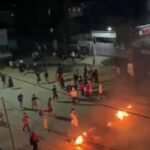



The death toll from violent anti-corruption protests in Nepal has risen to 51, police confirmed on Friday, September 12, 2025.
The protests, which erupted earlier this week, have escalated into one of the deadliest political crises in Nepal’s recent history.
Security forces have imposed a strict curfew in major cities, with the army taking charge of maintaining law and order.
The unrest erupted after growing frustration over corruption allegations and political instability.
Protesters flooded the streets, demanding government accountability and immediate reforms.
The scale of destruction has shocked the nation, with authorities now working to restore calm.
Curfew and Army Deployment Across Nepal
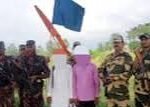
The army has been deployed across key cities, including Kathmandu, following days of violence and chaos.
Troops have been stationed in strategic locations, and checkpoints have been established to enforce the curfew.
Residents have been urged to remain indoors, while essential services continue to operate under military supervision.
Hospitals are struggling to cope with the rising number of injured civilians, with reports of severe shortages of medical supplies.
The government’s inability to control the protests earlier in the week has further fueled public anger.
Analysts have described this as Nepal’s most serious political challenge since its transition to democracy.
Talks to Form Interim Administration
Political talks are underway to address the growing unrest.
President Ramchandra Paudel has been holding meetings with protest representatives, senior political figures, and army officials.
Discussions focus on establishing an interim administration to stabilize the country and restore public trust.
Protest leaders have demanded sweeping reforms, including investigations into corruption allegations against top officials.
Some opposition parties have expressed willingness to join the interim government, but negotiations remain tense.
The possibility of fresh elections is also being considered as part of a long-term resolution.
Public Anger Fueled by Corruption Allegations
The protests were sparked by corruption scandals involving senior politicians and government agencies.
Allegations of embezzlement, mismanagement of foreign aid, and abuse of power have dominated headlines in recent months.
Many Nepalis see these protests as a turning point in the country’s fight against systemic corruption.
Rural and urban areas alike have witnessed demonstrations, with many young citizens joining the movement.
Social media platforms have been flooded with videos and images of clashes between protesters and security forces.
Activists say the government’s heavy-handed response has deepened resentment among the public.
International Concerns Over Nepal’s Stability
International organizations and neighboring countries have expressed concern over Nepal’s deteriorating situation.
Human rights groups have called for restraint from security forces and an immediate investigation into civilian deaths.
Global leaders have urged Nepal’s political class to prioritize dialogue and prevent further bloodshed.
The protests have disrupted trade and tourism, key drivers of Nepal’s economy.
Border areas with India and China have seen increased security, and several airlines have reduced flight schedules to Kathmandu.
The ongoing turmoil risks destabilizing Nepal’s fragile economy if unrest continues.
Call for Peace and Dialogue
The rising death toll has intensified calls for peace and reconciliation.
Religious and community leaders are appealing to both protesters and security forces to exercise restraint.
The government has promised to review its approach and initiate reforms once order is restored.
Protest organizers remain adamant that they will continue demonstrations until meaningful action is taken.
Observers fear that a prolonged standoff could lead to more violence and deepen political divisions.
For now, Nepal remains under tight security, with streets patrolled by soldiers and armored vehicles.
The Road Ahead for Nepal
Nepal faces a critical test as it navigates one of its most turbulent political crises in decades.
The formation of an interim administration, coupled with transparent investigations into corruption, may help restore stability.
However, trust between citizens and the government remains deeply fractured.
As talks continue, the people of Nepal hope for a resolution that prevents further bloodshed and brings long-term change.
The world is closely watching as this Himalayan nation fights to restore peace and rebuild its democratic institutions.