





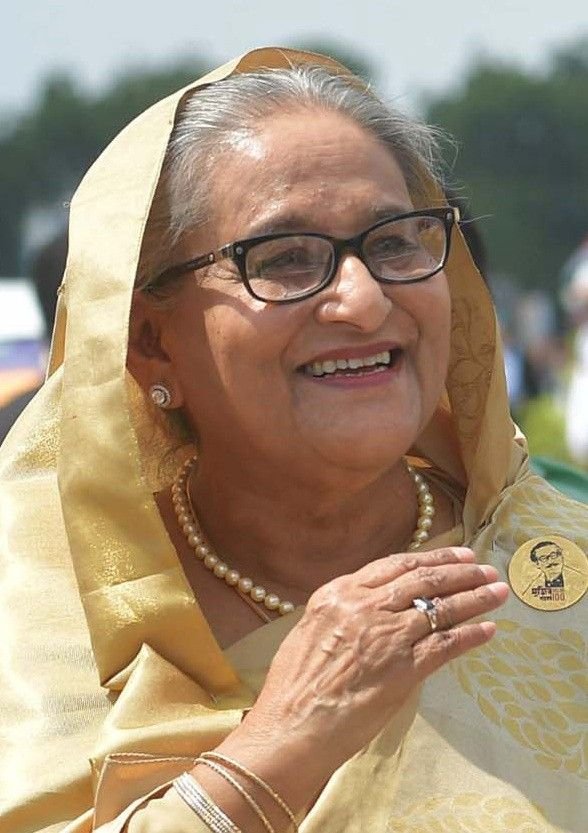
In a landmark ruling, a special tribunal in Dhaka has handed down the Hasina death sentence, convicting former Prime Minister Sheikh Hasina of crimes against humanity related to the brutal crackdown on student-led protests in 2024. The verdict marks a dramatic turning point in Bangladesh’s fraught political landscape.
What the Tribunal Found
The International Crimes Tribunal-Bangladesh (ICT-BD) ruled against Hasina on three counts: incitement to violence, ordering lethal force, and failing to prevent atrocities during the August 2024 uprising.
According to the tribunal, Hasina ordered the use of drones, helicopters, and deadly weapons against unarmed student protesters — a move that allegedly led to mass killings in Dhaka and other cities.
In its 453-page judgment, the court also held that Hasina made inflammatory comments, calling students “Razakars,” a derogatory reference, and directed her subordinates to suppress dissent ruthlessly.
Co-accused Also Judged
Hasina was not alone in the verdict. The tribunal also sentenced her former Home Minister, Asaduzzaman Khan Kamal, to death. Meanwhile, former police chief Chowdhury Abdullah Al-Mamun received a five-year prison term after cooperating with prosecutors and turning state witness.
Reaction from Hasina in Exile
Hasina, who has been living in India since her ouster, strongly rejected the verdict. She called the tribunal a “rigged kangaroo court” and said the death sentence was politically motivated.
Speaking from New Delhi, she claimed the interim government, led by Nobel laureate Muhammad Yunus, orchestrated a “vengeful prosecution” to permanently remove her and weaken her party, the Awami League.
Evidence and Key Findings in the Trial
The tribunal relied on extensive evidence, including leaked audio recordings that prosecutors say captured Hasina issuing orders to use force against protesters.
According to the judgment, Hasina “ordered the elimination” of student demonstrators — directing her administration to use helicopters, drones, and live ammunition.
The tribunal also held that she failed in her duty to protect citizens and prevent the killings.
Death Toll and Aftermath
The crackdown on the student protests is believed to have been massive and deadly. A United Nations report estimated up to 1,400 people may have been killed between July and August 2024.
The unrest that followed her ouster saw violent clashes, bombings in Dhaka, and a tense security environment leading up to the verdict.
Legal Grounds and Implications
Analysts say this conviction could strengthen Bangladesh’s diplomatic pressure on India to consider extraditing Hasina. Under tribunal rules, an appeal is technically possible, but would require Hasina’s surrender or arrest — unlikely while she remains in exile.
Political Fallout and Public Response
The Hasina death sentence has ignited deep political divisions. Her party, the Awami League, has condemned the verdict, calling it part of a broader plan to erase her influence.
Meanwhile, the interim government has defended the trial as a critical step toward accountability, saying it must reckon with the violence of 2024.
Security on Edge
Ahead of and following the verdict, security was visibly tightened across Dhaka. Reports say authorities deployed paramilitary forces, riot police, and armored vehicles to key locations.
Civil unrest and protests have broken out in some areas as supporters and opponents of Hasina react strongly — raising fears of escalating instability in the run-up to Bangladesh’s next election.
What’s Next — What to Watch
- Whether India responds to Bangladesh’s possible extradition request
- If Hasina will appeal the verdict, and under what terms
- How domestic political unrest evolves, especially as rival parties weigh in
- International reactions, particularly from human rights groups and the UN
Stay Informed
This verdict is a historic moment with deep ramifications for Bangladesh and the broader South Asian region. To stay updated:
- Follow trusted international news outlets for live updates
- Monitor statements from Bangladesh’s interim government and the Awami League
- Read expert analysis from think tanks covering South Asian politics and human rights
- Watch whether India’s response shifts as diplomatic tensions mount
This story is unfolding. Keep alert, stay informed, and follow credible sources as the fallout continues.
READ MORE: Mizoram Rail Link Aizawl First Time on Indian Rail Network