





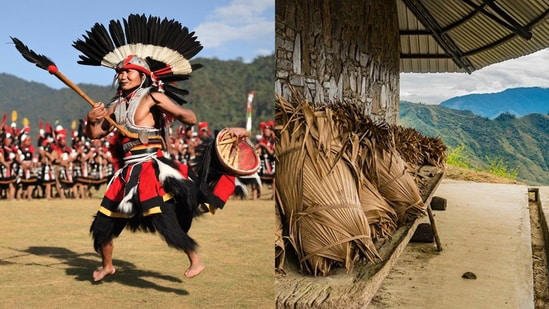
December in Nagaland carries a charm unmatched by any other season. The hills glow under soft winter sunlight, the breeze stays crisp, and the mood across the state becomes festive. The Nagaland Hornbill Festival, the most celebrated cultural event in the region, returns this December, drawing travellers from India and abroad. Tourism officials believe that visitors will arrive for the festival but stay longer for the stunning landscapes, rich heritage, and unique experiences that Nagaland offers.
Read More: Vande Bharat Sleeper Train Trial Delay
Hornbill Festival Welcomes Visitors in December
The Nagaland Hornbill Festival, held annually from December 1 to 10, showcases the vibrant traditions of the Naga communities. The event takes place at Kisama Heritage Village near Kohima, where music, culture, crafts, and cuisine come together. Performers from different communities participate in folk dances, war cries, traditional sports, and craft exhibitions. This grand celebration has earned the title “Festival of Festivals,” drawing thousands each year.
Visitors can look forward to live concerts, fashion shows, food fairs, and handloom displays. The blend of traditional and contemporary attractions creates an experience that appeals to all age groups. The festival is also known for promoting unity among communities while giving tourists a deeper look into the state’s cultural richness.
Organisers have planned additional activities this year to encourage travellers to explore beyond Kisama. Night carnivals, art workshops, and food trails are part of the extended itinerary, giving visitors more reasons to stay longer. This integrated approach aims to highlight Nagaland’s cultural depth and natural beauty.
Scenic Landscapes Await Beyond the Festival
While the Nagaland Hornbill Festival draws the spotlight, the state’s scenic experiences often remain the most cherished part of any visit. The rolling hills, pine forests, and misty viewpoints make December a perfect time for nature lovers. Tourists frequently extend their stay to explore some of Nagaland’s most peaceful landscapes.
Kohima offers serene viewpoints, historical landmarks, and charming cafés with views of surrounding hills. The World War II Cemetery remains an important stop for visitors interested in history. Nearby, Dzükou Valley stands as one of the region’s most iconic trekking destinations. Its winter beauty, marked by golden grasslands and expansive scenery, attracts both seasoned trekkers and first-time explorers.
Further north, Mokokchung invites travellers into the warm hospitality of the Ao community. The district is known for its clean towns, traditional woodwork, and scenic ridges. Longkhum village, often called the “village of legends,” offers views that stretch across the distant mountains.
Wokha district adds another scenic layer with its hilltop lakes and vibrant sunsets. Mount Tiyi, surrounded by age-old folklore, remains a popular trekking destination. Mon district, known for the Konyak community and their rich heritage, provides visitors with cultural immersion set against dramatic landscapes.
These destinations show that Nagaland is more than a festival experience; it is a journey into nature, culture, and tradition.
Cultural Immersion Through Local Experiences
Visitors who stay longer after the Nagaland Hornbill Festival have the opportunity to experience daily life more closely. Homestays across the state offer warmth, traditional meals, and stories passed down through generations. These stays allow travellers to understand Naga culture beyond performances and exhibitions.
Food is another memorable part of the experience. Traditional Naga dishes such as smoked pork, bamboo shoot preparations, and fermented delicacies attract food enthusiasts. Each district has its own culinary variations, encouraging travellers to explore different flavours across the state.
Handloom and handicraft traditions also add depth to a visit. Artisans create intricate shawls, jewellery, baskets, and pottery using techniques that have been preserved for centuries. Many tourists take home these handmade pieces as a reminder of their time in Nagaland.
Adventure seekers can enjoy trekking trails, angling spots, and nature walks across different districts. Birdwatching also becomes a favourite activity in winter, as migratory birds travel across the region.
Tourism Push for December and Beyond
Nagaland tourism officials hope that the Nagaland Hornbill Festival will bring renewed interest to the state after a challenging period for travel. Their focus is not only on drawing visitors but also on encouraging them to explore the lesser-known destinations. The government and local communities have worked together to improve homestay facilities, road connectivity, and tourist information services.
Promotional campaigns highlight the state’s peaceful atmosphere, cultural authenticity, and scenic beauty. Officials believe that with rising interest in experiential travel, Nagaland can become one of India’s most sought-after winter destinations.
Local entrepreneurs, café owners, and artisans are also preparing to welcome visitors. Many communities depend on tourism during the festival season, making December an important month for the state’s economy. The extended tourism focus ensures that benefits reach multiple districts rather than remaining limited to Kohima.
The Nagaland Hornbill Festival sets the perfect stage for travellers to experience the state’s cultural brilliance. Yet the real magic often lies in the landscapes, local communities, and simple moments that unfold beyond the festival grounds. As December approaches, Nagaland invites visitors to celebrate, explore, and immerse themselves in experiences that stay long after the journey ends.
Those who arrive for the festival will undoubtedly find themselves staying for the scenic escapes and warm hospitality that define the spirit of Nagaland.
Read More: Tripura Approves Two New State Universities