




Aromatherapy is no longer just a spa indulgence—it has become a mainstream wellness practice embraced worldwide. In 2025, the demand for aromatherapy continues to rise as people seek natural ways to manage stress, improve sleep, and enhance overall health.
This ancient practice, rooted in the use of essential oils from plants, is now backed by modern science and integrated into healthcare systems.
History of Aromatherapy
Aromatherapy dates back thousands of years:
- Egyptians used aromatic oils in embalming and rituals.
- Greeks and Romans applied oils for bathing, massage, and medicine.
- Ayurveda in India integrated plant-based oils into holistic healing.
This rich history shows that aromatherapy is not a passing trend but a cultural legacy of wellness.
What is Aromatherapy?
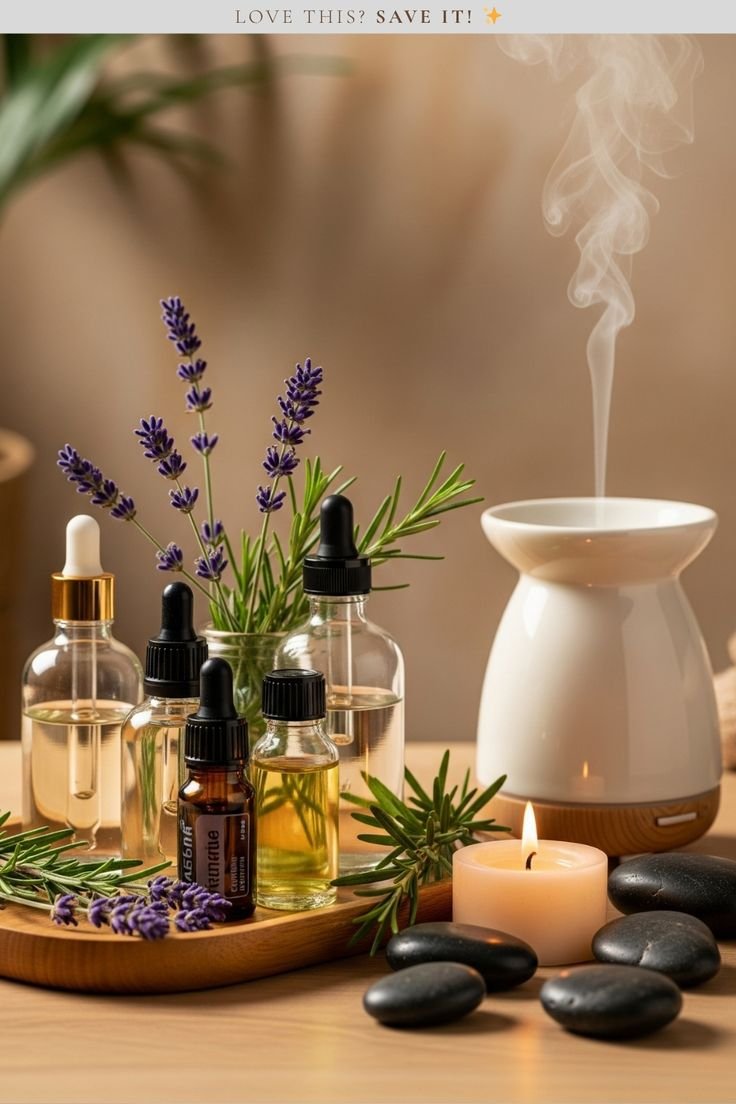
Aromatherapy is a holistic healing treatment that uses natural plant extracts and essential oils to promote physical and emotional well-being.
- Oils are inhaled, diffused, or applied topically.
- Popular oils include lavender, chamomile, peppermint, eucalyptus, and bergamot.
- The practice stimulates the limbic system, the brain’s center for emotions and memory, influencing mood and health.
Aromatherapy Benefits 2025
Stress Reduction and Anxiety Relief
Essential oils like lavender and chamomile help lower cortisol levels, reducing stress and calming anxiety.
Improved Sleep Quality
Diffusing lavender oil before bedtime has been shown to enhance deep sleep cycles.
Boosting Immunity
Oils such as eucalyptus and tea tree have antimicrobial properties that support immune function.
Pain Management
Peppermint and rosemary oils are widely used for relieving headaches, muscle pain, and joint stiffness.
Enhanced Focus and Memory
Citrus oils like lemon and orange improve concentration and mental clarity.
Aromatherapy in Modern Healthcare
Recent studies highlight aromatherapy’s integration into hospitals and clinics:
- Used in palliative care to ease patient discomfort.
- Applied in mental health therapy for stress and depression.
- Incorporated into rehabilitation programs for holistic healing.
This recognition has elevated aromatherapy from alternative therapy to a complementary healthcare practice.
Aromatherapy in Beauty and Lifestyle
The beauty industry has embraced aromatherapy:
- Skincare products infused with essential oils for anti-aging and acne treatment.
- Haircare solutions using rosemary and argan oil for growth and shine.
- Home wellness with diffusers and candles creating calming environments.
Brands now market aromatherapy as part of self-care rituals, blending health and beauty.
Global Market Growth
The aromatherapy market is booming:
- Valued at billions globally, with steady growth projected through 2030.
- Rising demand in India, Europe, and North America.
- Increased consumer preference for natural, chemical-free remedies.
Popular Essential Oils in 2025
| Essential Oil | Primary Benefit | Common Use |
|---|---|---|
| Lavender | Stress relief, sleep | Diffuser, massage |
| Peppermint | Headache relief, energy | Topical, inhalation |
| Tea Tree | Antimicrobial, acne | Skincare, cleaning |
| Eucalyptus | Respiratory health | Steam inhalation |
| Rose | Hydration, mood boost | Skincare, perfume |
The aromatherapy benefits 2025 story is clear: essential oils are not just trends, they are timeless tools for health and happiness.
Whether you’re battling stress, seeking better sleep, or simply wanting a natural boost, aromatherapy offers a safe and effective solution. Start your journey today—explore essential oils, invest in a diffuser, and embrace the healing power of nature.
READ MORE: Natural Remedies for Acne: Clear Skin Solutions That Work