




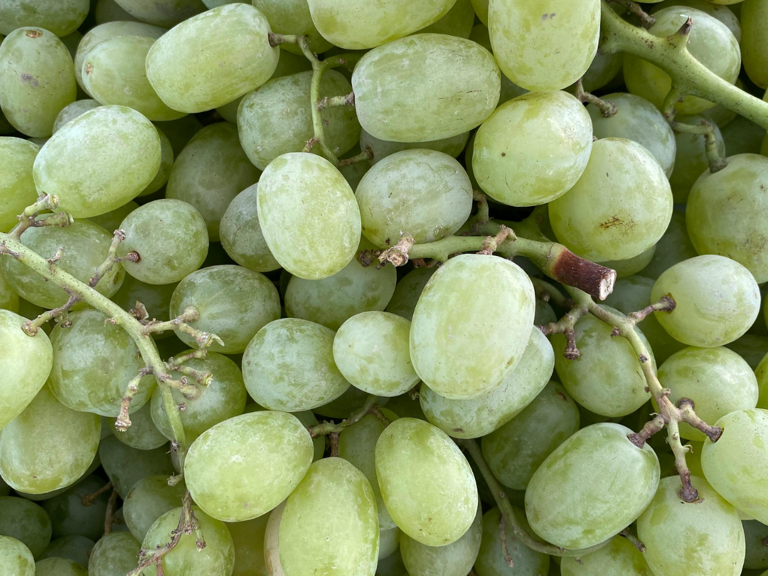
Grapes are among the fruits that often carry pesticide residues on their surface. Farmers commonly spray pesticides during cultivation to protect grapes from insects, fungal infections, and crop diseases. While these chemicals help maintain crop yield and quality, traces of them may remain on the fruit even after harvesting.
The skin of grapes is thin and delicate. Because of this, pesticide particles can stick to the surface or settle between the small gaps in grape clusters. Simply rinsing grapes quickly under tap water may not remove all residues.
Scientists and food safety experts recommend proper cleaning techniques to reduce pesticide exposure. Fortunately, you can remove most residues using simple household ingredients and scientifically proven washing methods.
By following a few easy steps, you can make grapes safer and healthier for consumption.
Read More: PM Modi To Launch NDA Kerala Poll Campaign In Kochi
Step 1: Rinse grapes under running water
The first and most basic step involves rinsing grapes under running water. This simple action helps remove dust, dirt, and a portion of pesticide residues.
Place the grapes in a colander or large bowl. Then run clean, cold water over them for about 30 seconds to one minute. Use your fingers to gently rub the grapes while rinsing.
This rubbing action helps dislodge particles that cling to the surface. The movement of running water washes away loose pesticide residues and dirt.
Although this step alone may not remove every chemical trace, it significantly reduces contamination.
Experts recommend avoiding soap or detergent when washing fruits. These substances can leave harmful residues and may damage the fruit’s natural protective layer.
Step 2: Soak grapes in salt water solution
A salt water solution is one of the most effective natural methods for removing pesticide residues from fruits and vegetables.
To prepare the solution, mix about one teaspoon of salt into a bowl of clean water. Stir the mixture until the salt dissolves completely.
Place the grapes in the solution and allow them to soak for about 10 to 15 minutes. The salt helps loosen pesticide residues and microbial contaminants from the fruit surface.
Salt water works because it creates a mild chemical environment that helps break down certain pesticide compounds.
During soaking, gently stir the grapes once or twice to ensure all surfaces come into contact with the solution.
After soaking, rinse the grapes thoroughly with clean running water to remove any remaining salt.
Step 3: Use baking soda solution for deeper cleaning
Another scientifically supported method involves using baking soda to clean fruits and vegetables. Baking soda helps neutralize many pesticide residues that remain on produce surfaces.
To prepare the solution, add one teaspoon of baking soda to a bowl of water and mix well.
The chemical compound in baking soda is sodium bicarbonate.
NaHCO_3
This compound can help break down certain pesticide molecules through mild chemical reactions.
Place the grapes into the baking soda solution and soak them for about 10 to 15 minutes. During this time, the solution interacts with residues and helps detach them from the fruit surface.
After soaking, rinse the grapes thoroughly with clean water. This step removes both baking soda and loosened contaminants.
Several food safety studies have found that baking soda solutions can significantly reduce pesticide residues on fruits.
Step 4: Remove damaged or spoiled grapes
While cleaning grapes, take time to inspect the cluster carefully. Remove any grapes that appear damaged, shriveled, or moldy.
Damaged fruits can harbor bacteria and fungi. They may also release moisture that accelerates spoilage of other grapes.
By removing such grapes, you help maintain the freshness and safety of the remaining fruit.
This step also improves airflow within the grape cluster, reducing the chance of mold growth during storage.
Inspecting fruits carefully is an important but often overlooked part of food safety.
Step 5: Rinse again with clean water
After soaking grapes in salt or baking soda solutions, always rinse them again with fresh running water.
This final rinse removes any remaining cleaning solution and leftover residues.
Place the grapes in a colander and allow water to flow over them for about 30 seconds. Gently shake the colander so water reaches every grape.
This step ensures that grapes remain safe to eat and free from any cleaning substances.
Proper rinsing also restores the fruit’s natural taste and texture.
Step 6: Dry grapes before storing
After cleaning, spread the grapes on a clean kitchen towel or paper towel. Allow them to air dry for several minutes.
Drying is important because excess moisture can promote bacterial growth or mold formation during storage.
Once the grapes dry completely, you can store them in a refrigerator container.
For best results, store grapes in breathable containers rather than sealed plastic bags. Proper airflow helps keep them fresh longer.
Why proper washing matters
Pesticides play an important role in protecting crops from pests and diseases. However, excessive exposure to pesticide residues may pose potential health risks over time.
Regularly washing fruits and vegetables helps reduce these residues and improve food safety.
Scientific studies show that proper washing techniques can remove a significant percentage of surface pesticide residues. While washing cannot eliminate every trace, it greatly reduces exposure.
Combining methods such as running water rinsing, salt soaking, and baking soda cleaning provides better results than using water alone.
These simple steps can significantly improve the safety of fruits before consumption.
Additional tips for safer fruit consumption
Apart from washing grapes properly, a few additional practices can further reduce pesticide exposure.
Buy grapes from trusted sources whenever possible. Farmers markets and organic growers often use fewer chemical pesticides.
Always wash grapes just before eating rather than before storage. Washing too early may increase moisture and spoilage.
Avoid soaking fruits for excessively long periods. Over-soaking can damage the fruit’s texture and taste.
Children and older people often consume fruits regularly, so ensuring proper cleaning becomes even more important.
A simple habit for healthier eating
Cleaning fruits properly is a simple yet powerful habit that supports healthier eating. Grapes are nutritious and rich in antioxidants, vitamins, and natural sugars.
However, removing pesticide residues ensures that you enjoy these health benefits safely.
By following easy steps such as rinsing, soaking in salt water or baking soda solution, and drying properly, you can significantly reduce pesticide contamination.
These methods require only a few minutes but can greatly improve food safety in everyday life.
Making fruit washing a regular habit protects your health while allowing you to enjoy fresh produce with greater confidence.
Read More: Tripura Transport Minister Reviews Key Infrastructure Projects