

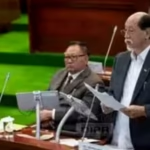


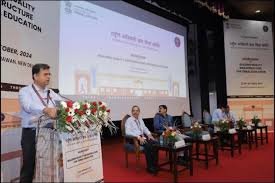
Education Infrastructure Overhaul takes center stage as Pradyot Kishore Manikya Debbarma commits to transforming schools and learning systems in tribal council areas. This initiative aims to improve facilities, enhance quality education, and ensure better opportunities for students through modern infrastructure and policy reforms.
Urgent TTAADC Recruitment Suspension Sparks Probe
Education Infrastructure Overhaul Signals Major Change
Pradyot Kishore Manikya Debbarma has announced a comprehensive plan to transform the education system in tribal council areas. This initiative focuses on upgrading infrastructure and improving learning environments. Moreover, the plan aims to bridge gaps that have affected students for years.
As a result, this announcement has generated strong interest among educators and communities. The commitment reflects a long-term vision to improve educational standards and accessibility.
Focus on Modern School Facilities
The reform plan prioritizes the development of modern school facilities. Authorities aim to improve classrooms, sanitation, and digital resources. Therefore, students will gain access to better learning environments.
In addition, improved infrastructure will help teachers deliver lessons more effectively. This change will enhance overall academic performance. Consequently, schools in tribal areas may witness a significant transformation.
Strengthening Teaching and Learning Systems
The initiative also emphasizes strengthening teaching methods and learning systems. Authorities plan to introduce updated curricula and training programs for teachers. These steps will ensure that students receive quality education.
Furthermore, the plan encourages the use of technology in classrooms. Digital tools can make learning more interactive and engaging. As a result, students will benefit from a more dynamic educational experience.
Bridging Educational Gaps in Tribal Areas
Tribal council regions often face challenges related to access and resources. The overhaul aims to address these gaps through targeted interventions. Therefore, the plan includes building new schools and upgrading existing ones.
Additionally, authorities aim to improve connectivity and accessibility. Better transportation and infrastructure will help students attend school regularly. Consequently, dropout rates may decrease over time.
Community Participation in Education Reform
The success of this initiative depends on community involvement. Local communities play a crucial role in supporting education systems. Hence, the plan encourages active participation from parents and local leaders.
Moreover, community engagement will help identify specific needs and challenges. This approach ensures that reforms remain practical and effective. As a result, education policies will better reflect local realities.
Administrative and Policy-Level Changes
The overhaul also includes significant policy-level reforms. Authorities aim to streamline administrative processes and improve governance in the education sector. These changes will ensure efficient implementation of programs.
In addition, better monitoring systems will track progress and outcomes. This step will help maintain accountability and transparency. Consequently, the education system will become more reliable and effective.
Challenges in Implementation
Despite its ambitious goals, the overhaul may face challenges. Limited resources and logistical issues could slow progress. Additionally, coordination among different departments may require careful planning.
However, strong leadership and consistent efforts can overcome these obstacles. By maintaining focus and commitment, authorities can achieve meaningful results.
Long-Term Impact on Students and Society
The Education Infrastructure Overhaul has the potential to create lasting impact. Improved schools and better teaching methods will enhance student outcomes. Moreover, education plays a key role in social and economic development.
In the long run, this initiative can empower communities and create new opportunities. Therefore, its success will benefit both individuals and society as a whole.
FAQs
1. What is the Education Infrastructure Overhaul?
It is a plan to improve school facilities, teaching systems, and overall education quality in tribal council areas.
2. Who announced this initiative?
Pradyot Kishore Manikya Debbarma committed to this comprehensive education reform.
3. How will students benefit from this plan?
Students will gain access to better infrastructure, improved teaching, and enhanced learning opportunities.
4. What challenges could affect implementation?
Challenges may include limited resources, logistical issues, and coordination among departments.
5. Why is this reform important?
It is important because it aims to bridge educational gaps and improve opportunities in tribal regions.