





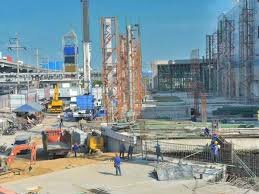
The government of Meghalaya has amended its building bye-laws to reduce eligibility thresholds for large-scale urban development projects, including hotels, malls, and commercial complexes. Officials stated that the revised regulations are aimed at encouraging investment, improving urban infrastructure, and supporting planned economic growth across the state.
The amendment is expected to make it easier for developers and investors to undertake major construction projects under updated regulatory guidelines. Authorities believe the reforms will contribute to modernization efforts while supporting tourism, commerce, and urban expansion in Meghalaya.
The decision has sparked discussion among urban planners, business groups, and policy observers regarding the future direction of urban development in the state.
Class 12 Board Results: Schools Across Northeast
e-Seba Manipur Launch: State to Roll Out Unified Digital Services Portal on May 11
Meghalaya Cabinet Approves Meghalaya Building Reforms
The government of Meghalaya approved amendments to building regulations to simplify development procedures and attract investment.
Officials said the revised bye-laws lower certain eligibility conditions and approval thresholds for large-scale commercial and infrastructure projects. As a result, developers may complete approvals faster and conduct business more easily within the state.
The Meghalaya Building Reforms also align urban planning policies with changing economic and infrastructure demands. Furthermore, authorities believe the revised framework will encourage long-term development across urban areas.
Focus on Hotels, Malls, and Commercial Infrastructure
The updated rules will mainly benefit sectors connected to hospitality, retail, and commercial infrastructure.
Now, developers planning hotels, shopping malls, and mixed-use projects can access a simpler approval process under the revised guidelines. Consequently, investors may show greater interest in large urban infrastructure projects.
The Meghalaya Building Reforms therefore represent a major policy initiative to strengthen urban development and commercial expansion.
In addition, business analysts said easier development norms often attract stronger private sector participation in emerging urban markets.
Government Pushes Investment and Economic Growth
Officials explained that the revised regulations aim to improve the investment climate in Meghalaya.
By reducing eligibility barriers, the government hopes to attract developers, hospitality firms, and infrastructure investors. Moreover, the revised policies may support long-term growth in construction, tourism, and commercial activities.
The Meghalaya Building Reforms could also generate additional employment opportunities across several sectors.
Economic experts noted that infrastructure-friendly policies usually strengthen urban economies and encourage business expansion.
Urban Expansion and Infrastructure Modernization Prioritized
In recent years, the state government has strongly focused on planned urban expansion and infrastructure modernization.
Officials stated that the revised rules will help cities manage growing populations and increasing economic activity more effectively. Therefore, authorities expect faster implementation of large-scale development projects.
The Meghalaya Building Reforms also support broader goals related to commercial infrastructure and urban planning improvements.
At the same time, urban planners stressed the importance of balancing modernization with sustainable development principles.
Tourism Sector Likely to Gain Momentum
Meghalaya’s tourism sector may also benefit from increased hospitality and commercial development following the revised regulations.
The state attracts visitors because of its natural beauty, cultural attractions, and expanding tourism industry. Consequently, demand for modern hotels and visitor facilities has continued rising.
The Meghalaya Building Reforms could encourage more investment in tourism-related infrastructure for domestic and international travelers.
Additionally, tourism experts explained that stronger urban infrastructure often improves visitor experience and boosts local economic activity.
Construction and Real Estate Activity May Increase
Industry observers believe the revised bye-laws may stimulate growth in construction and real estate sectors within the state.
Lower eligibility thresholds could encourage developers to explore projects that were previously considered administratively difficult or financially restrictive.
The Meghalaya Building Reforms are expected to create opportunities for architects, engineers, contractors, and construction-related businesses.
Analysts also suggested that increased development activity may support employment generation across urban areas.
Policy Experts Discuss Urban Planning Challenges
While many business groups welcomed the amendments, some urban planning experts emphasized the importance of maintaining proper environmental and infrastructure safeguards.
Observers noted that rapid urban growth requires effective planning related to traffic management, public utilities, drainage systems, and environmental sustainability.
The Meghalaya Building Reforms may therefore require careful implementation to balance economic expansion with responsible urban management.
Experts highlighted the need for coordinated planning mechanisms to ensure sustainable development outcomes.
Government Highlights Ease of Doing Business
Officials stated that simplifying development regulations remains an important component of improving the business environment in the state.
The revised building bye-laws are expected to reduce procedural delays and administrative complexity associated with large commercial projects.
The Meghalaya Building Reforms reflect broader policy efforts aimed at encouraging entrepreneurship, investment, and infrastructure growth.
Economic observers believe regulatory efficiency often plays a major role in attracting private investment into developing regions.
Meghalaya Continues Modernization Push
The state government has introduced multiple initiatives in recent years focused on infrastructure modernization, urban development, and digital governance.
The revised building regulations form part of these wider administrative and economic reform efforts.
The Meghalaya Building Reforms may therefore influence future urban planning patterns and commercial investment trends across the state.
Observers believe continued infrastructure expansion could contribute to long-term economic growth and improved urban services.
Conclusion
The government of Meghalaya has amended building bye-laws to lower eligibility thresholds for major projects such as hotels, malls, and commercial infrastructure developments.
The Meghalaya Building Reforms are expected to encourage investment, simplify project approvals, and support urban expansion within the state. As Meghalaya continues focusing on modernization and economic growth, the revised regulations may play a significant role in shaping future urban development and commercial activity.
FAQs
What changes has Meghalaya introduced in its building bye-laws?
The state has lowered eligibility thresholds for large-scale projects including hotels and malls.
Why were the rules amended?
The government aims to encourage investment and support urban infrastructure growth.
Which sectors may benefit from the reforms?
Hospitality, retail, real estate, and commercial infrastructure sectors may benefit.
How could the reforms affect urban development?
The changes may accelerate construction activity and support planned urban expansion.
Why are the Meghalaya Building Reforms significant?
They are expected to improve ease of doing business and attract private investment.
Could tourism benefit from the revised rules?
Yes, easier development norms may encourage more hotel and tourism infrastructure projects.