





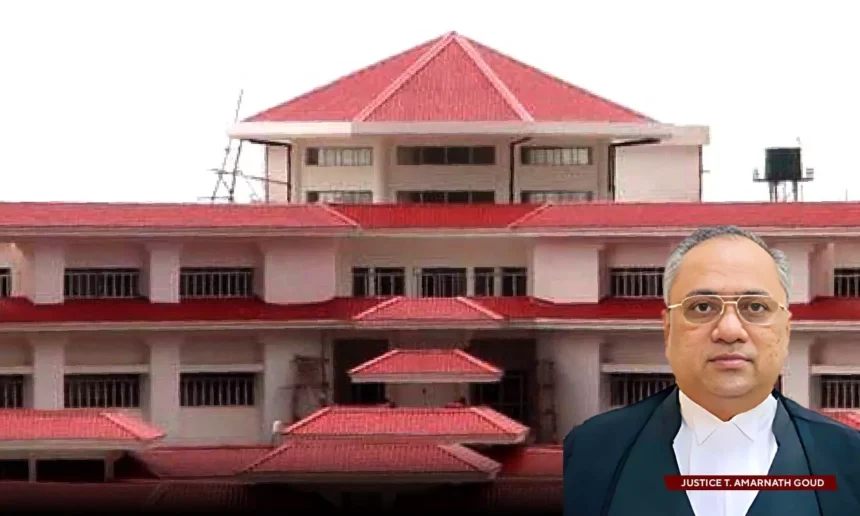
High Court Intervention Raises serious questions regarding police procedure and accountability in a recent assault case from Agartala. The Tripura High Court directed authorities to preserve CCTV footage connected to the incident after concerns emerged over the initial refusal to register the case.
According to court observations, timely preservation of digital evidence remains essential for ensuring a fair investigation. The development has drawn public attention toward law enforcement procedures and the handling of complaints involving alleged assault incidents.
NCC Achievement Brings Pride To Tripura
Tripura board results 2026 pass rate announced
Court Orders Preservation of CCTV Footage
The Tripura High Court reportedly issued instructions to preserve all available CCTV footage linked to the case to prevent loss of evidence. Legal observers noted that surveillance footage often plays a critical role in verifying timelines, identifying individuals, and supporting investigation processes.
The court’s direction came during proceedings related to allegations that police initially refused to register the complaint despite the seriousness of the matter. Consequently, the issue quickly gained legal and public significance.
Officials stated that investigative authorities are now expected to review the preserved footage as part of the ongoing inquiry.
Concerns Over Police Procedure
High Court Intervention Raises concerns about procedural lapses after the court questioned the initial response of local police authorities. According to reports presented before the court, the complainant allegedly faced difficulties while attempting to file the case.
Legal experts explained that prompt registration of complaints remains an important part of criminal investigation procedures. Moreover, delays in recording cases may affect evidence collection and witness verification.
The court reportedly emphasized that law enforcement agencies must follow due process while handling citizen complaints, especially in cases involving allegations of assault or public safety concerns.
Public and Legal Community Reaction
The incident triggered discussions among legal professionals, civil society groups, and local residents regarding accountability within investigative systems. Many observers welcomed the court’s intervention, stating that judicial oversight helps strengthen public confidence in the justice process.
Several legal analysts noted that courts frequently stress the importance of transparency, evidence preservation, and procedural fairness during investigations. Therefore, the latest order may influence how similar cases are handled in the future.
At the same time, public discussions on social media focused on the need for timely police action and better complaint handling mechanisms.
Importance of Digital Evidence in Modern Investigations
Authorities and legal experts highlighted that CCTV footage has become increasingly important in criminal investigations across India. Surveillance recordings often provide objective evidence that can support witness accounts and investigative findings.
Furthermore, courts regularly direct agencies to secure electronic evidence quickly because digital files may be deleted, overwritten, or damaged if not preserved immediately. Analysts believe the latest order reflects growing judicial emphasis on technological evidence in legal proceedings.
Officials are expected to review all available footage carefully before taking further investigative steps.
Broader Administrative Implications
High Court Intervention Raises wider concerns regarding institutional accountability and public trust in law enforcement agencies. Experts believe such judicial observations encourage administrative reforms and reinforce the importance of lawful procedure.
Human rights observers and legal organizations also stressed that citizens should receive timely access to legal remedies without procedural obstacles. Consequently, the case may lead to further administrative review regarding complaint registration practices.
Government officials have not yet released detailed public comments regarding the court’s observations. However, authorities indicated that the matter remains under legal examination.
Conclusion
High Court Intervention Raises important legal and administrative questions following the Tripura High Court order to preserve CCTV footage in the Agartala assault case. The court’s criticism regarding the alleged initial refusal to register the complaint has intensified focus on police accountability, evidence protection, and procedural transparency. As investigations continue, the case is expected to remain under close judicial and public scrutiny.
FAQs
1. What did the Tripura High Court order?
The court directed authorities to preserve CCTV footage related to the Agartala assault case.
2. Why did the court intervene?
The intervention followed concerns over the alleged initial refusal by police to register the complaint.
3. Why is CCTV footage important in this case?
It may provide crucial evidence regarding the incident and investigation timeline.
4. Where did the incident occur?
The case is linked to an alleged assault incident in Agartala.
5. What concerns were raised about police procedure?
The court questioned delays and procedural handling during the complaint registration stage.
6. What could happen next in the investigation?
Authorities are expected to review evidence and continue legal proceedings under court supervision.