



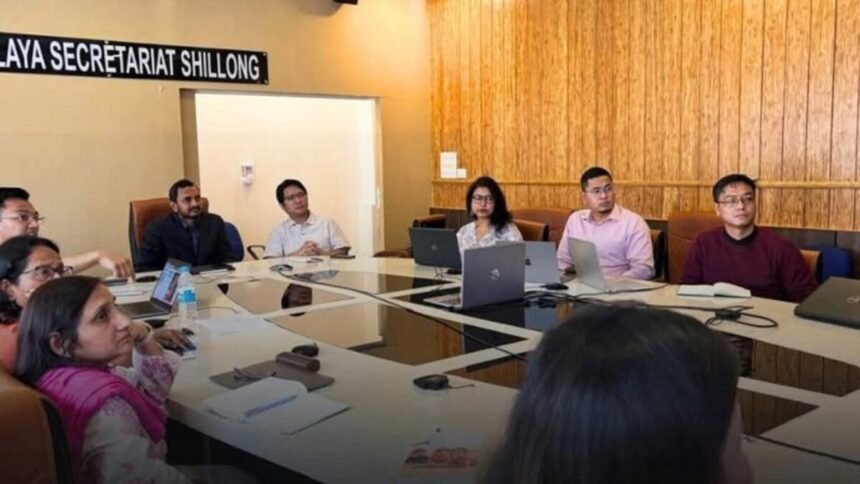
Meghalaya Health Systems Project discussions gained importance after high-level committees reviewed the progress of key healthcare infrastructure initiatives under the World Bank-backed Meghalaya Health Systems Strengthening Project. Officials assessed ongoing developments connected to hospitals, healthcare accessibility, medical facilities, and system modernization across the state.
Meanwhile, authorities emphasized the importance of strengthening healthcare delivery and improving medical infrastructure in both urban and rural regions. Furthermore, health administrators and project officials discussed implementation challenges, funding utilization, and long-term public health goals during the review process.
DREAM Mission Expands Vocational Training For Rehabilitation
Assam Chemists Strike Split as Many Shops Remain Open
Committees Assess Healthcare Infrastructure Progress
Senior committees and health department officials conducted detailed reviews of infrastructure development activities linked to the Meghalaya Health Systems Strengthening Project. According to officials, discussions focused on project timelines, construction progress, healthcare accessibility, and institutional capacity building.
Meanwhile, authorities evaluated ongoing work related to hospitals, primary healthcare centers, medical equipment upgrades, and digital healthcare systems. Several officials additionally stressed the importance of maintaining quality standards and timely execution of infrastructure projects.
The Meghalaya Health Systems Project therefore remained a major priority within the state’s public healthcare modernization strategy. Consequently, authorities intensified monitoring and coordination efforts during the review meetings.
World Bank Support Strengthens Health Sector
The Meghalaya Health Systems Strengthening Project receives support through World Bank-backed funding and technical collaboration aimed at improving healthcare services across the state. Officials stated that the initiative focuses on strengthening institutional efficiency, healthcare accessibility, and emergency response capacity.
Meanwhile, project experts highlighted the importance of modern infrastructure and trained medical personnel in improving healthcare delivery outcomes. Several administrators additionally explained that external funding support helps accelerate long-term healthcare reforms and infrastructure expansion.
Observers noted that international development partnerships often play an important role in strengthening healthcare systems in geographically challenging regions such as Meghalaya.
Rural Healthcare Access Remains Key Focus
Authorities emphasized that improving healthcare access in remote and rural areas remains a central objective of the Meghalaya Health Systems Project. According to health officials, many infrastructure initiatives are designed to strengthen medical services in underserved districts and difficult terrain regions.
Meanwhile, administrators discussed strategies for improving transportation access, diagnostic services, and patient care facilities in rural healthcare centers. Several experts additionally stressed the need for adequate staffing and continuous supply of medicines and medical equipment.
Healthcare specialists therefore highlighted the importance of balanced infrastructure development across both urban and rural regions of Meghalaya.
Infrastructure Modernization Underway
Officials reviewing the project reportedly assessed modernization initiatives involving hospital facilities, healthcare technology, and medical service delivery systems. Authorities stated that infrastructure upgrades are expected to improve treatment capacity and patient management efficiency.
Meanwhile, healthcare administrators discussed the integration of digital systems for patient records, monitoring, and administrative coordination. Several project officials additionally emphasized the role of technology-driven healthcare management in improving operational efficiency.
The Meghalaya Health Systems Project also aims to strengthen preparedness for future healthcare emergencies and disease management challenges.
Committees Discuss Implementation Challenges
Review meetings additionally examined challenges affecting project implementation and infrastructure development timelines. Officials discussed logistical constraints, workforce requirements, procurement processes, and coordination issues linked to healthcare expansion projects.
Meanwhile, experts stressed the importance of regular monitoring and accountability to ensure effective use of project resources. Several administrators additionally encouraged stronger coordination between government departments, healthcare institutions, and project implementation agencies.
Authorities therefore continued focusing on problem-solving mechanisms aimed at improving execution efficiency and reducing delays.
Public Health Capacity Building Gains Attention
Healthcare experts involved in the discussions highlighted the importance of capacity building and workforce training within the Meghalaya Health Systems Project framework. According to specialists, infrastructure improvements must be supported by trained healthcare professionals and efficient administrative systems.
Meanwhile, officials explored strategies related to skill development, medical staff training, and institutional strengthening programs. Several public health experts additionally stressed the importance of community-level healthcare awareness and preventive health services.
The project therefore combines infrastructure development with broader healthcare system strengthening initiatives.
Long-Term Healthcare Planning Reviewed
Officials indicated that the project review process also focused on long-term sustainability and healthcare planning strategies. Authorities stated that improving healthcare infrastructure requires continuous investment, policy coordination, and effective maintenance systems.
Meanwhile, public health analysts observed that stronger healthcare systems can significantly improve disease management, maternal care, emergency services, and overall public health outcomes. Several experts additionally noted that healthcare modernization may support economic and social development across Meghalaya.
Consequently, authorities continue prioritizing healthcare reforms under the World Bank-supported initiative.
Healthcare Expansion Expected To Continue
The Meghalaya Health Systems Project is expected to continue supporting infrastructure expansion and healthcare service improvement initiatives in the coming years. Officials stated that ongoing reviews and assessments will guide future planning and implementation decisions.
Meanwhile, community leaders and healthcare organizations welcomed continued investment in medical infrastructure and rural healthcare accessibility. Several observers additionally emphasized that efficient healthcare systems remain essential for long-term public welfare and development.
Public attention therefore remained focused on the pace and effectiveness of healthcare modernization efforts across Meghalaya.
Conclusion
Meghalaya Health Systems Project reviews highlighted the state government’s ongoing efforts to strengthen healthcare infrastructure under the World Bank-backed MHSSP initiative. Furthermore, high-level committees assessed progress related to hospitals, healthcare accessibility, technology integration, and rural medical services. As implementation continues, authorities aim to improve healthcare delivery, institutional efficiency, and long-term public health outcomes across Meghalaya.
FAQs
What is the Meghalaya Health Systems Strengthening Project?
It is a World Bank-backed initiative aimed at improving healthcare infrastructure and services in Meghalaya.
What is the focus keyphrase of this topic?
Meghalaya Health Systems Project is the focus keyphrase related to the healthcare initiative.
What areas were reviewed during the meetings?
Officials reviewed hospital infrastructure, rural healthcare access, medical equipment, staffing, and project implementation progress.
Why is World Bank support important for the project?
World Bank support provides funding and technical assistance for healthcare modernization and infrastructure expansion.
What challenges were discussed during the review?
Officials discussed logistical issues, staffing needs, procurement delays, and coordination challenges.
How may the project benefit Meghalaya?
The initiative may improve healthcare accessibility, treatment quality, emergency preparedness, and public health services statewide.