





Assam has recorded at least 60 deaths from Japanese Encephalitis (JE) and Acute Encephalitis Syndrome (AES) since the beginning of 2026, according to the National Health Mission (NHM), Assam. Officials confirmed that JE claimed 15 lives, while AES caused 45 deaths across multiple districts.
Health authorities have intensified surveillance, awareness campaigns, and preventive measures as the monsoon season increases the risk of disease transmission. The rising death toll has raised concerns about public health and highlighted the need for stronger vaccination and healthcare efforts across the state.
Read More: Assam Releases 7 Golden Langurs into Wild After Rescue
Key Facts
- Total Deaths: 60
- Japanese Encephalitis (JE) Deaths: 15
- Acute Encephalitis Syndrome (AES) Deaths: 45
- State: Assam
- Reporting Agency: National Health Mission (NHM), Assam
- Affected Districts: Baksa, Cachar, Chirang, Kamrup Metropolitan, Tamulpur, Barpeta, Jorhat, Lakhimpur, and Kamrup
- High-Risk Period: Monsoon season
- Response Measures: Surveillance, awareness campaigns, vaccination drives, and healthcare preparedness
Assam Faces Rising Encephalitis Death Toll
Assam continues to battle Japanese Encephalitis (JE) and Acute Encephalitis Syndrome (AES), with the two diseases claiming at least 60 lives this year.
According to the National Health Mission (NHM), Assam, JE accounted for 15 deaths, while AES caused 45 fatalities. As a result, health authorities have stepped up efforts to control the spread of these diseases across the state.
Several Districts Report JE Fatalities
Officials reported Japanese Encephalitis-related deaths from several districts, including Baksa, Cachar, Chirang, Kamrup Metropolitan, Tamulpur, Barpeta, Jorhat, Lakhimpur, and Kamrup.
Furthermore, health officials continue to monitor the situation closely in these areas. They have also urged residents to follow preventive measures and seek medical attention if symptoms appear.
Monsoon Season Increases Health Risks
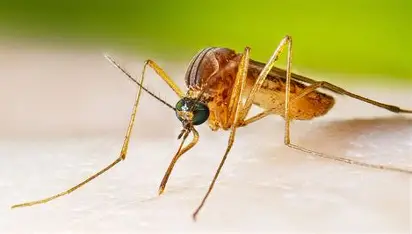
Health experts warn that the monsoon season creates favourable conditions for mosquito breeding, which can increase the transmission of Japanese Encephalitis.
Therefore, authorities have intensified surveillance activities and disease-monitoring programmes across vulnerable districts. In addition, local health teams are conducting awareness campaigns to educate communities about prevention and early detection.
Government Strengthens Prevention Measures
The Assam government has increased its focus on vaccination drives and public health interventions. Moreover, healthcare workers are visiting affected areas to spread awareness about encephalitis-related symptoms and safety measures.
Officials believe that early diagnosis and timely treatment can significantly reduce severe cases and fatalities. Consequently, they are encouraging residents to report suspected cases without delay.
Need for Long-Term Healthcare Improvements
The latest figures highlight the continuing threat posed by JE and AES in Assam. Although authorities have strengthened disease-control efforts, experts stress the need for sustained public awareness and improved healthcare infrastructure.
Furthermore, regular vaccination campaigns, mosquito-control measures, and better access to healthcare services can help reduce future outbreaks and protect vulnerable populations.
Questions and Answers
What happened in Assam?
Assam recorded at least 60 deaths from Japanese Encephalitis (JE) and Acute Encephalitis Syndrome (AES) since the start of 2026.
How many deaths were caused by JE?
Japanese Encephalitis claimed 15 lives in the state.
How many deaths were linked to AES?
Acute Encephalitis Syndrome accounted for 45 fatalities.
Which districts reported JE deaths?
Baksa, Cachar, Chirang, Kamrup Metropolitan, Tamulpur, Barpeta, Jorhat, Lakhimpur, and Kamrup reported JE-related deaths.
What steps are authorities taking?
Authorities have intensified surveillance, vaccination drives, awareness campaigns, and healthcare preparedness measures.
Why is the monsoon season a concern?
The monsoon season increases mosquito breeding, which raises the risk of disease transmission.
Location Context
Assam is one of the key states in Northeast India and has historically faced recurring outbreaks of Japanese Encephalitis and Acute Encephalitis Syndrome. Therefore, effective disease-control measures in Assam are crucial for protecting public health across the region.