




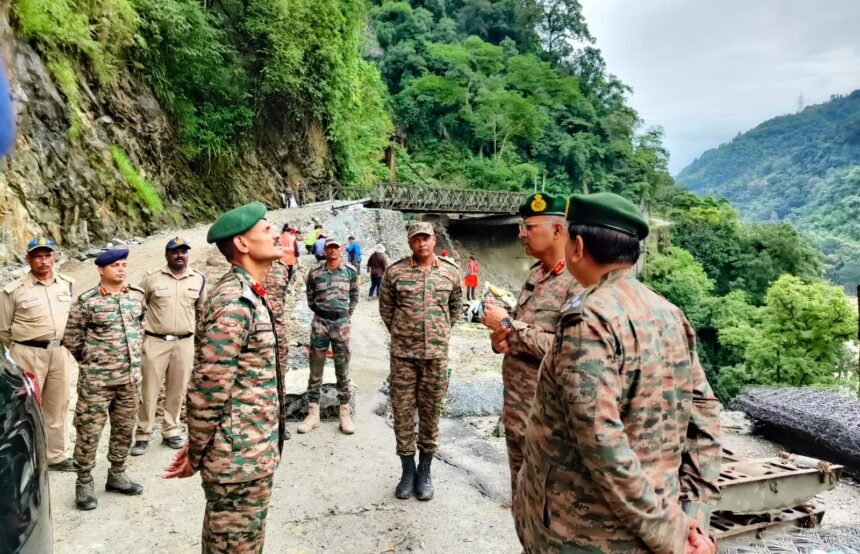
The Lachen Road Rebuilding project has progressed with Army engineers assisting local authorities in redesigning damaged road sectors near Lachen. The collaborative effort aims to improve road infrastructure, strengthen connectivity, and support long-term resilience in an area affected by road damage.
Land Survey Nears Completion for Airport Development
Lachen Road Rebuilding Moves Forward with Army Engineering Support
The Lachen Road Rebuilding initiative gained momentum after Army engineers joined local authorities in redesigning damaged sectors near Lachen. According to the available information, the collaboration focuses on developing improved road alignments and infrastructure solutions for the affected stretches.
Road infrastructure in mountainous regions often requires specialized engineering because of challenging terrain and environmental conditions. Moreover, coordinated planning helps ensure that reconstruction projects address both immediate and long-term connectivity needs.
The redesign process represents an important stage in the rebuilding effort. Therefore, technical assessments and engineering expertise remain essential for developing durable road infrastructure.
The joint initiative highlights cooperation between military engineering teams and civil authorities. Additionally, such collaboration supports efficient planning for critical public infrastructure projects.
Lachen Road Rebuilding Focuses on Long-Term Infrastructure Resilience
The Lachen Road Rebuilding project emphasizes strengthening transportation infrastructure through improved engineering design. Damaged road sectors require careful evaluation before reconstruction begins to ensure long-term stability and safety.
Moreover, redesigning affected stretches allows engineers to assess terrain conditions and determine appropriate construction approaches. Consequently, infrastructure planning can better address future maintenance requirements.
Army engineers bring technical expertise to infrastructure projects in challenging geographical regions. Furthermore, collaboration with local authorities helps integrate engineering solutions with regional development priorities.
The latest development demonstrates the importance of structured planning before large-scale reconstruction work proceeds. However, the available information does not specify construction timelines or project completion targets.
Engineering Collaboration Strengthens Lachen Road Rebuilding
The Lachen Road Rebuilding effort reflects the value of coordinated engineering support for restoring transportation infrastructure. Infrastructure projects in mountainous areas often require specialized surveys, technical analysis, and route planning.
Additionally, redesigning damaged road sections provides an opportunity to improve infrastructure resilience while enhancing road safety. This approach supports more sustainable transportation networks over the long term.
Army engineers and local authorities continue working together to evaluate the affected sectors. Meanwhile, technical planning remains an important foundation for future reconstruction activities.
The available information confirms the redesign of damaged road sectors but does not indicate the extent of reconstruction work already completed. Therefore, further official updates are expected as the project progresses.
The collaborative effort highlights the role of engineering expertise in supporting infrastructure recovery.
Lachen Road Rebuilding Supports Regional Connectivity
The Lachen Road Rebuilding initiative carries broader importance for regional transportation and public infrastructure. Reliable road connectivity supports residents, commercial transport, emergency services, and overall regional development.
Moreover, investing in resilient road infrastructure helps improve accessibility in mountainous areas where transportation routes are particularly important. Strong engineering design can also contribute to better long-term road performance.
The participation of Army engineers demonstrates the importance of inter-agency cooperation in addressing infrastructure challenges. Similarly, coordinated planning enables authorities to respond effectively to damaged transportation networks.
Road reconstruction projects play a significant role in supporting economic activity and public mobility. Consequently, continued engineering collaboration will remain essential as rebuilding efforts move forward.
As planning and reconstruction continue, future official announcements are expected to provide additional updates regarding project implementation.
Conclusion
The Lachen Road Rebuilding project has advanced with Army engineers assisting local authorities in redesigning damaged road sectors near Lachen. The collaboration reflects a coordinated approach to restoring critical transportation infrastructure through technical expertise and careful planning.
Furthermore, resilient engineering solutions and continued administrative coordination will support the development of safer and more reliable road networks. The redesign process also lays the foundation for future reconstruction activities.
Overall, the Rebuilding initiative highlights the importance of engineering collaboration in strengthening public infrastructure. As the project progresses, official updates will provide greater clarity on construction milestones and improvements to regional connectivity.
FAQs
1. What is the Lachen Road Rebuilding project?
The Road Rebuilding project involves redesigning damaged road sectors near Lachen with assistance from Army engineers and local authorities.
2. Who is assisting in the rebuilding effort?
Army engineers are working with local authorities to redesign the damaged sections of the road.
3. Why is the road being redesigned?
The redesign aims to improve damaged road sectors and strengthen long-term infrastructure resilience.
4. Has the reconstruction work been completed?
According to the available information, the project is currently in the redesign stage, and no completion timeline has been announced.
5. Why is the Lachen Road Rebuilding project important?
The project supports regional connectivity, improves transportation infrastructure, and promotes safer road networks in mountainous terrain.