




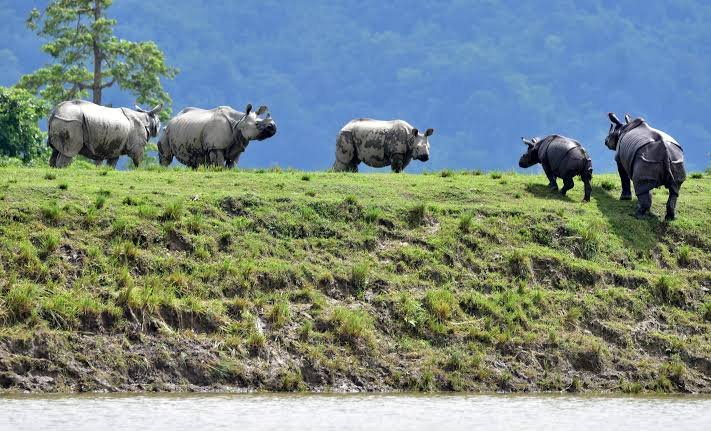
The Animal Migrations situation in Assam has prompted authorities to enforce strict speed limits on NH-37 as wildlife from Kaziranga National Park moved toward the safer highlands of Karbi Anglong hills. The measure aims to protect migrating animals, reduce road accidents, and ensure safer movement during the flood period.
The Animal Migrations update highlights increased wildlife movement as animals leave flooded areas of Kaziranga National Park and move toward elevated regions in Karbi Anglong. According to the available information, authorities introduced strict speed restrictions on NH-37 to safeguard animals crossing the highway.
Seasonal floods often influence wildlife movement in the Kaziranga landscape, as animals search for higher and safer locations during rising water levels. Moreover, NH-37 serves as an important route between Kaziranga and Karbi Anglong, making road safety measures essential during migration periods.
The latest development reflects continued efforts to protect wildlife during challenging environmental conditions. Therefore, speed control measures have been implemented to reduce risks for both animals and road users.
The initiative also demonstrates the importance of wildlife-friendly transportation management. Additionally, coordinated action between forest authorities and traffic agencies helps support safer animal movement.
Animal Migrations Increase Wildlife Protection Measures on NH-37
The Animal Migrations have led authorities to strengthen monitoring and traffic controls along NH-37. According to the available information, strict speed limits were enforced as animals moved toward the Karbi Anglong hills in search of safer habitats.
Moreover, controlled vehicle movement helps reduce the possibility of collisions between vehicles and migrating wildlife. Consequently, speed restrictions become an important conservation measure during periods of increased animal movement.
Kaziranga’s wildlife frequently depends on nearby elevated areas during major floods. Furthermore, the natural movement corridor between the national park and Karbi Anglong plays a significant role in supporting animal survival during seasonal challenges.
The available information confirms that strict speed limits were enforced on NH-37. However, authorities have not released details regarding the exact speed restrictions, duration of enforcement, or the number of animals crossing the highway.
NH-37 Safety Measures Support Animal Migrations
The Animal Migrations response highlights the importance of protecting wildlife corridors during flood situations. Roads passing through sensitive ecological zones require careful management to prevent disruptions to natural animal movement.
Additionally, temporary traffic regulations help authorities balance transportation needs with wildlife conservation requirements. This approach supports safer conditions for animals while allowing essential road movement to continue.
Forest officials and enforcement agencies often work together during migration periods to monitor animal activity. Meanwhile, awareness among drivers remains an important part of reducing risks on wildlife movement routes.
The available information does not mention any major wildlife accidents during the migration period. Therefore, the current update focuses on preventive measures introduced along NH-37 to support safe animal passage.
The initiative represents a proactive approach toward wildlife protection.
Animal Migrations Highlight Kaziranga’s Wildlife Conservation Efforts
The Animal Migrations across the Kaziranga landscape demonstrate the importance of preserving natural wildlife corridors. Seasonal movement toward higher ground is a key survival response for many species during flood conditions.
Moreover, protecting these migration routes helps maintain biodiversity and supports long-term conservation goals. Effective coordination between authorities and local communities also contributes to safer wildlife movement.
The enforcement of speed limits on NH-37 shows the importance of integrating infrastructure management with environmental protection. Similarly, wildlife-sensitive planning helps reduce conflicts between human activities and natural ecosystems.
Conservation efforts remain essential in flood-prone wildlife regions. Consequently, the Animal Migrations situation highlights the need for continued monitoring, responsible driving practices, and protection of important ecological pathways.
As flood conditions change, future updates may provide additional information regarding wildlife movement patterns, road safety measures, and conservation activities in the region.
Conclusion
The Animal Migrations situation has resulted in strict speed limits being enforced on NH-37 as wildlife moved from flooded areas of Kaziranga toward the Karbi Anglong hills. The measure reflects efforts to protect animals during seasonal movement and reduce road-related risks.
Furthermore, coordinated wildlife protection measures help maintain safer conditions for migrating animals and motorists. The initiative highlights the importance of protecting natural corridors while managing transportation routes through sensitive ecological areas.
Overall, the Animal Migrations update emphasizes the connection between flood management, wildlife conservation, and responsible infrastructure planning. As authorities continue monitoring animal movement, further protective measures may support safer migration patterns in the future.
FAQs
1. What is the latest update on Animal Migrations in Assam?
The Animal Migrations update involves wildlife moving toward Karbi Anglong hills from flooded areas, leading authorities to enforce strict speed limits on NH-37.
2. Why are animals moving toward Karbi Anglong hills?
Animals are moving toward higher areas because rising floodwaters in Kaziranga National Park are affecting their usual habitats.
3. Why were speed limits imposed on NH-37?
Speed limits were enforced to reduce the risk of vehicle collisions with migrating wildlife crossing the highway.
4. Which areas are connected through this wildlife movement route?
The movement route connects Kaziranga National Park with the elevated areas of Karbi Anglong hills.
5. Are authorities monitoring the animal migration?
Yes. Forest authorities and enforcement teams continue monitoring wildlife movement and implementing safety measures.