





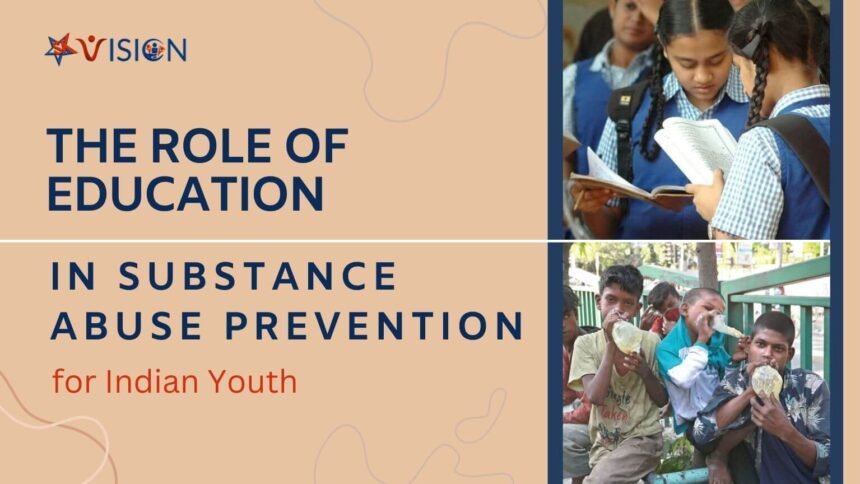
The Anti-Drug Initiative has gained momentum as the state government launched a high-profile youth drug awareness campaign in partnership with cultural icons. The programme aims to use public figures and community influence to encourage young people to understand the risks associated with substance misuse.
Meghalaya Legislative Assembly Announces Five-Day Session
The Anti-Drug Initiative places youth engagement at the centre of the government’s prevention efforts. Moreover, involving respected cultural figures can help make awareness messages more accessible and relatable to younger audiences.
Drug misuse can affect education, employment, families, and wider community wellbeing. Therefore, sustained prevention campaigns can play an important role alongside appropriate healthcare, counselling, rehabilitation, and enforcement measures.
The campaign also reflects a broader effort to involve influential voices in public awareness programmes. Additionally, cultural icons can help extend the reach of prevention messages through public events, social platforms, and community activities.
Anti-Drug Initiative Targets Youth Awareness
The Anti-Drug Initiative focuses on educating young people about the risks associated with substance misuse. According to the available information, the state government has launched the campaign with support from cultural icons.
Moreover, youth-focused awareness can help communities address substance-related concerns before they develop into more serious problems. Consequently, clear and accurate information can form an important part of prevention efforts.
Cultural personalities can also help campaigns reach audiences beyond traditional government programmes. Furthermore, their participation can encourage young people to engage with public-health messages in familiar settings.
The available information does not specify the names of the participating cultural icons, the campaign duration, its budget, or the number of young people targeted.
Government Expands Anti-Drug Initiative Through Public Engagement
The Anti-Drug Initiative represents an effort to combine government outreach with cultural influence. By involving recognizable public figures, authorities can broaden the campaign’s visibility among young people and communities.
Additionally, public awareness programmes can complement other responses to substance misuse. These responses may include access to healthcare and counselling, rehabilitation services, family support, and lawful enforcement.
Schools, colleges, youth organizations, families, and community groups can also contribute to prevention efforts. Meanwhile, sustained engagement can help keep anti-drug messages visible beyond the initial campaign launch.
The available information does not indicate whether the initiative includes new treatment or rehabilitation facilities. Therefore, the reported programme should primarily be understood as a youth drug-awareness campaign.
Anti-Drug Initiative Highlights Role of Cultural Icons
The Anti-Drug Initiative highlights the potential role of cultural figures in shaping public awareness. Artists and other cultural personalities can communicate prevention messages through formats that young audiences already follow and understand.
Moreover, credible community voices can encourage constructive conversations about substance misuse. Consequently, campaigns can help reduce misinformation and encourage people to seek appropriate support when needed.
The government’s partnership approach also demonstrates an effort to move beyond conventional official messaging. Similarly, community participation can make prevention campaigns more visible across different sections of society.
However, awareness campaigns work best when they form part of a broader support system. Therefore, continued access to reliable health information, counselling, and other appropriate services will remain important.
Conclusion
The Anti-Drug Initiative has expanded after the state government launched a high-profile youth drug awareness drive in partnership with cultural icons.
Furthermore, sustained public engagement can strengthen prevention efforts and help young people access accurate information about substance misuse. Collaboration between government agencies, cultural figures, educational institutions, families, and community organizations can further extend the campaign’s reach.
Overall, the Anti-Drug Initiative highlights the importance of youth awareness, community participation, and influential public voices in addressing substance misuse.
FAQs
1. What is the latest Anti-Drug Initiative update?
The Anti-Drug Initiative update concerns the launch of a youth-focused drug awareness campaign involving cultural icons.
2. Who is the campaign targeting?
The campaign primarily targets young people through awareness and prevention messaging.
3. Why are cultural icons participating?
Cultural figures can help make awareness messages more relatable and extend the campaign’s reach among younger audiences.
4. Does the campaign include rehabilitation services?
The available information does not confirm new rehabilitation services as part of the campaign.
5. How can communities support anti-drug efforts?
Schools, families, youth organizations, healthcare professionals, and community groups can support prevention through accurate education, early support, and appropriate referrals.