





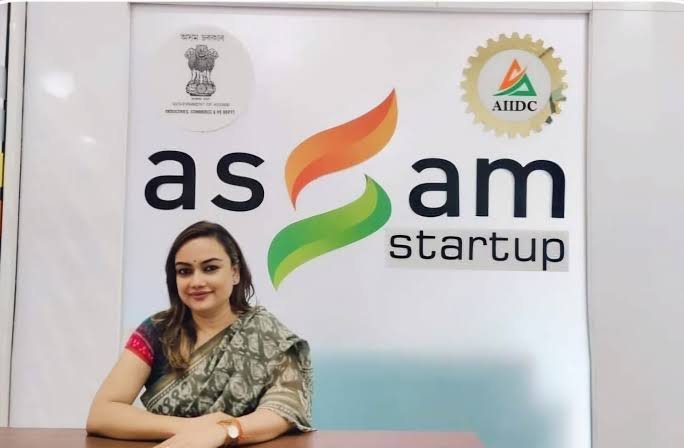
An aggregate technology startup incubated at Assam Down Town University (ADTU) has achieved a notable national ranking, securing 26th position among leading innovation startups in India. The recognition highlights the growing role of university-linked entrepreneurship in Assam and the wider Northeast.
The achievement provides another example of how academic institutions can support technology-driven ventures beyond traditional classroom learning. Moreover, the startup’s performance places Assam’s emerging innovation ecosystem on a wider national platform.
The recognition could also encourage more students, researchers, and young entrepreneurs to explore startup opportunities. However, sustained success will depend on continued innovation, market expansion, investment, and the ability to translate promising technology into scalable products and services.
Fuel Transit Strike Warning: Transporters Threaten Supply Halt
ADTU Incubated Startup Earns National Recognition
The startup’s 26th-place national ranking marks a significant milestone for the venture and its university incubator.
By developing within the Assam Down Town University ecosystem, the company has benefited from an academic environment that can connect entrepreneurship with technical knowledge and institutional support. Furthermore, university incubation can help early-stage companies access mentorship, infrastructure, and professional networks.
The recognition therefore reflects both the startup’s performance and the broader potential of university-based innovation.
However, national rankings can use different evaluation criteria, making the methodology behind the recognition important when assessing the achievement.
Innovation Gains Momentum in Assam
Assam has increasingly focused on strengthening its startup and innovation ecosystem.
Technology-focused businesses can create new employment opportunities while addressing challenges in sectors such as healthcare, education, agriculture, logistics, and digital services. Additionally, successful local startups can encourage young professionals to build businesses within the Northeast rather than relocating elsewhere.
The latest achievement adds momentum to those efforts.
Moreover, university incubation programmes can provide an important bridge between academic ideas and commercial applications.
University Incubation Supports Entrepreneurs
University incubators can play a crucial role during the early stages of a startup.
Young entrepreneurs often require guidance on product development, business models, funding, intellectual property, and market strategy. Furthermore, academic institutions can connect founders with researchers and technical experts.
This support can reduce some of the challenges faced by first-time entrepreneurs.
However, startups eventually need to develop independent revenue models and market capabilities to achieve long-term growth.
Technology Creates New Opportunities
The success of a technology-driven startup reflects the growing importance of innovation-led businesses.
Digital platforms and emerging technologies allow companies to serve customers across geographic boundaries. Moreover, startups from smaller cities can increasingly compete with companies based in India’s established technology hubs.
This creates opportunities for entrepreneurs in Assam and other northeastern states.
However, access to capital, specialised talent, infrastructure, and large markets remains important for scaling technology ventures.
National Ranking Raises Visibility
A 26th-place national ranking can increase visibility for both the startup and its incubation ecosystem.
Recognition can attract potential investors, business partners, customers, and skilled professionals. Additionally, public recognition can help demonstrate that companies originating from Assam can compete within India’s broader innovation landscape.
The achievement could therefore have benefits beyond the startup itself.
However, visibility must translate into sustainable commercial growth for the recognition to have a lasting impact.
Opportunities for Young Entrepreneurs
The achievement could inspire students and aspiring founders across Assam.
Young people can view university incubation as a pathway for turning technical ideas into businesses. Furthermore, exposure to successful founders can encourage students to experiment with entrepreneurship while still developing their academic and professional skills.
Universities can play a central role in creating that environment.
However, aspiring entrepreneurs also need access to mentorship, funding, market research, and practical business experience.
Northeast Startup Ecosystem in Focus
The recognition comes as India’s Northeast continues to develop its entrepreneurial ecosystem.
States across the region have supported startups through innovation programmes, incubation centres, competitions, and government initiatives. Moreover, universities can help strengthen this ecosystem by creating links between research, education, and industry.
Successful startups can demonstrate the commercial potential of local talent.
Therefore, the achievement could contribute to wider confidence in the region’s innovation capabilities.
From Campus Idea to National Platform
University incubators can help transform ideas into viable ventures.
The process often involves validating a problem, developing a prototype, testing the market, refining the business model, and attracting customers or investors. Additionally, founders must build teams capable of handling technology, operations, sales, and finance.
A national ranking suggests that the startup has progressed significantly through this journey.
However, continued innovation will remain necessary as technology markets change rapidly.
Employment and Economic Potential
Successful startups can contribute to local economic development.
As companies expand, they may hire engineers, designers, marketers, managers, and other professionals. Furthermore, startup growth can create demand for supporting services and encourage investment in the surrounding ecosystem.
This can produce benefits for cities and regions beyond individual companies.
However, the scale of these economic benefits depends on the startup’s ability to grow sustainably.
Innovation Requires Continued Support
Recognition can provide momentum, but startups require long-term support to remain competitive.
Access to finance remains particularly important as companies move from early-stage development toward commercial expansion. Moreover, founders need opportunities to connect with customers and industry partners.
Universities can continue supporting this process through mentorship and innovation networks.
However, private investment and market demand ultimately play major roles in determining long-term success.
Assam’s Role in India’s Startup Landscape
The achievement strengthens Assam’s position in India’s expanding startup landscape.
Guwahati has emerged as an important centre for education, technology, entrepreneurship, and professional services in the Northeast. Additionally, institutions such as universities and incubators can help develop a pipeline of technology-focused businesses.
A nationally recognised startup can therefore serve as a regional example.
Moreover, such achievements can encourage greater attention toward innovation opportunities outside India’s traditional startup hubs.
Recognition Could Encourage More University Ventures
The success of one incubated company can create a demonstration effect.
Students may become more willing to test business ideas when they see peers or university-linked ventures achieve national recognition. Furthermore, faculty members and researchers may find stronger incentives to explore commercial applications for their work.
This can gradually strengthen an institution’s entrepreneurial culture.
However, universities need structured programmes to ensure that promising ideas receive consistent support.
What Comes Next?
The next challenge for the startup will involve converting national recognition into sustained growth.
The company can potentially use the ranking to strengthen partnerships, attract investment, expand its customer base, and develop new products. Moreover, continued engagement with the university ecosystem could support future innovation.
The achievement may also encourage Assam Down Town University to expand its incubation and entrepreneurship initiatives.
However, long-term success will ultimately depend on the startup’s technology, business model, leadership, and market performance.
Conclusion
The startup triumph involving an Assam Down Town University-incubated technology firm marks an encouraging development for Assam’s innovation ecosystem. The company’s reported 26th-place national ranking among leading innovation startups demonstrates the potential of university-supported entrepreneurship to compete on a wider platform.
Moreover, the achievement can raise the visibility of Assam’s technology sector and inspire students and young entrepreneurs to pursue innovative business ideas. At the same time, recognition represents only one stage of a startup’s journey.
Overall, sustained investment, mentorship, market access, skilled talent, and continued innovation will determine whether the company can build on its national recognition. Its achievement nevertheless provides a positive example of the role universities can play in nurturing India’s next generation of technology ventures.
FAQs
1. What achievement did the startup record?
The Assam Down Town University-incubated technology firm reportedly ranked 26th nationally among leading innovation startups.
2. Where was the startup incubated?
The company developed within the incubation ecosystem of Assam Down Town University.
3. Why is the achievement significant for Assam?
It highlights the potential of Assam’s university and startup ecosystem to produce technology ventures capable of receiving national recognition.
4. How can university incubation help startups?
Incubators can provide mentorship, infrastructure, technical guidance, networking opportunities, and assistance with developing business ideas.
5. What could the startup focus on next?
The company could use its recognition to pursue market expansion, partnerships, investment, talent acquisition, and continued product development.