



Assam has expanded financial safeguards for traditional weavers under its flagship Muga silk protection initiative, strengthening support for artisans who preserve one of the state’s most distinctive textile traditions. The expanded measures aim to provide greater financial security while protecting the livelihoods and skills connected with Muga silk production.
The initiative places traditional weavers at the centre of Assam’s efforts to preserve its indigenous textile heritage. Moreover, stronger financial protection can help artisans continue their work despite changing market conditions, rising production costs, and other economic pressures.
The move also highlights the importance of combining cultural preservation with livelihood support. However, long-term success will depend on effective implementation, easy access to benefits, transparent administration, and continued efforts to expand markets for authentic Muga silk products.
Phumdis Weapons Sweeps: Security Forces Expand Loktak Lake Sanitization Operations
Assam Strengthens Weaver Protection
The expanded safeguards aim to provide additional financial support to traditional Muga silk weavers.
Muga silk production involves specialised knowledge passed through generations. Furthermore, skilled artisans contribute to every stage of the textile process, from preparing silk yarn to weaving intricate traditional designs.
Financial security can help these craftspeople continue their work without facing excessive economic pressure.
However, support programmes need efficient delivery systems to ensure that benefits reach eligible weavers without unnecessary administrative delays.
Muga Silk Holds Cultural Importance
Muga silk has a strong connection with Assam’s cultural identity.
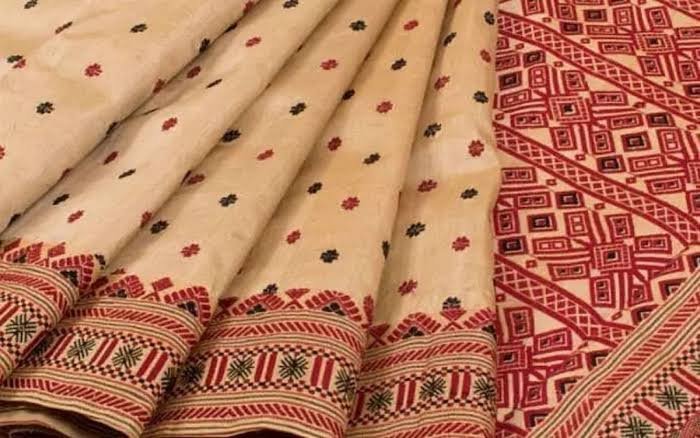
The golden appearance and distinctive characteristics of Muga silk have made it an important component of traditional Assamese textiles. Additionally, artisans have incorporated Muga into garments and ceremonial products that reflect the state’s cultural heritage.
Protecting the people who produce these textiles is therefore closely linked to preserving the craft itself.
Moreover, financial support can encourage younger generations to consider weaving as a viable livelihood.
Financial Security Supports Artisans
Traditional weavers often operate on a small scale and can face fluctuations in income.
Changes in raw-material prices, consumer demand, production costs, and market access can affect household earnings. Furthermore, independent artisans may have limited financial resources to absorb unexpected economic difficulties.
Expanded safeguards can provide an additional layer of protection.
However, financial assistance should complement broader measures such as market access, skills development, modern equipment, and direct sales opportunities.
Senehjori Initiative Focuses on Protection
The Senehjori project forms part of the broader effort to strengthen support for traditional Muga silk stakeholders.
By improving financial safeguards, the initiative can help reduce economic vulnerability among participating artisans. Additionally, structured support can create greater confidence among weavers who depend on traditional textile production.
This can contribute to the continuity of Assam’s weaving traditions.
However, the exact eligibility conditions and benefits under the programme should remain clearly communicated to artisans.
Traditional Skills Need Protection
Muga silk weaving requires specialised skills that cannot be easily replaced by industrial production.
Artisans rely on experience to handle yarn, operate traditional looms, and create detailed patterns. Moreover, traditional designs can carry cultural meanings that extend beyond their commercial value.
Financial protection can therefore support both livelihoods and intangible cultural heritage.
However, documentation and training programmes can further strengthen efforts to pass these skills to younger generations.
Young Weavers Could Benefit
Attracting younger people into traditional weaving remains important for the future of the sector.
Young artisans may be more likely to continue weaving when they see opportunities for stable income and access to modern markets. Furthermore, digital platforms can help younger weavers promote products directly to customers across India and abroad.
Combining traditional skills with modern entrepreneurship can strengthen the industry.
However, training should cover both craftsmanship and business skills.
Market Access Remains Essential
Financial safeguards alone cannot guarantee the long-term sustainability of traditional weaving.
Weavers also need reliable markets where consumers recognise and value authentic Muga silk products. Additionally, stronger branding, online sales, exhibitions, cooperatives, and direct-to-consumer channels can help artisans reach new customers.
Greater market access can increase the commercial value of traditional craftsmanship.
However, effective market expansion must also protect artisans from unfair pricing and imitation products.
Counterfeit Products Pose Risks
Authentic Muga silk can face competition from products marketed using similar names or appearances.
Counterfeit or misleading products can confuse consumers and weaken confidence in genuine textiles. Moreover, imitation products can undermine the income of artisans who invest time and skill in producing authentic Muga silk.
Therefore, stronger identification and consumer awareness can complement financial support.
However, enforcement requires coordination among producers, authorities, retailers, and consumers.
Digital Commerce Creates Opportunities
Online marketplaces can provide new opportunities for Assam’s traditional weavers.
Artisans can showcase products beyond local markets and potentially connect directly with customers across India. Furthermore, digital storytelling can help consumers understand the craftsmanship and cultural history behind Muga silk.
This can strengthen demand for authentic products.
However, artisans may require support with photography, packaging, shipping, pricing, and digital marketing.
Women Play an Important Role
Women have historically played an important role in Assam’s handloom and textile economy.
Strengthening financial security for weavers can therefore support household incomes and women’s economic participation. Additionally, better access to markets and institutional support can increase the commercial independence of artisan communities.
This can produce benefits beyond the textile sector.
However, programmes should ensure that eligible artisans receive benefits directly and transparently.
Rural Economy Could Gain
Muga silk production supports a wider network of rural economic activity.
Farmers, silk producers, spinners, dyers, weavers, designers, traders, and retailers all contribute to the textile value chain. Moreover, stronger demand for authentic Muga silk can create opportunities across these interconnected occupations.
Financial protection can help maintain this rural economic ecosystem.
However, rising costs and changing consumer preferences require continued innovation.
Assam’s Handloom Heritage Gains Support
The initiative reinforces Assam’s broader efforts to preserve its handloom traditions.
Muga silk forms part of a wider textile heritage that includes distinctive weaving techniques, designs, and regional craftsmanship. Furthermore, protecting artisans can help maintain the cultural diversity represented by these traditions.
Government programmes can provide an important foundation for this work.
However, sustainable preservation requires participation from artisan communities themselves.
Combining Heritage With Modern Markets
Traditional weaving does not have to remain limited to conventional markets.
Designers and artisans can adapt Muga silk products for contemporary consumers while preserving traditional techniques. Additionally, collaborations with fashion, home décor, and lifestyle brands can create new commercial opportunities.
This approach can make traditional craftsmanship more economically sustainable.
However, modernisation should not erase the cultural characteristics that make Muga silk distinctive.
Long-Term Support Remains Important
The expansion of financial safeguards represents one part of a larger strategy.
Weavers may also need access to affordable credit, raw materials, training, healthcare support, technology, market information, and social-security measures. Moreover, reliable institutional support can help artisans withstand economic fluctuations.
A comprehensive approach can strengthen the sector more effectively than isolated interventions.
However, regular evaluation will remain necessary to determine whether programmes deliver meaningful benefits.
What Happens Next?
The focus will now shift toward implementing the expanded safeguards effectively.
Authorities and programme administrators will need to ensure that eligible weavers understand the available benefits and can access them without unnecessary barriers. Furthermore, monitoring the financial and livelihood outcomes of the programme can help improve future support.
Greater market development could complement the initiative by increasing demand for authentic Muga products.
However, sustained collaboration between government agencies, weavers, cooperatives, designers, and buyers will remain essential.
Conclusion
The Muga Silk Senehjori Project marks an important step in Assam’s efforts to strengthen financial protection for traditional weavers. By expanding safeguards under its Muga protection framework, the state can help artisans manage economic pressures while preserving specialised skills and cultural traditions.
Moreover, stronger financial support can encourage younger generations to remain connected with weaving and create new opportunities through digital commerce and modern markets. At the same time, market access, authenticity protection, skills training, and transparent implementation will remain crucial.
Overall, protecting Muga silk means protecting both a valuable textile tradition and the communities whose knowledge and craftsmanship keep that tradition alive.
FAQs
1. What is Muga silk?
Muga silk is a distinctive silk associated with Assam and is recognised for its characteristic golden appearance and cultural importance.
2. What is the Senehjori project?
The Senehjori project is described as a support initiative aimed at strengthening financial safeguards for traditional Muga silk weavers.
3. Why do weavers need financial safeguards?
Traditional artisans can face fluctuating incomes, production costs, changing market demand, and other economic challenges. Financial safeguards can provide additional security.
4. How can young people support Muga silk?
Young entrepreneurs can combine traditional weaving skills with digital marketing, online retail, contemporary design, and new business models to expand the market for authentic Muga products.
5. How can consumers support traditional weavers?
Consumers can purchase authentic Muga silk from reliable sources, learn about the product’s origin, and support artisans and businesses that maintain traditional Assamese craftsmanship.