
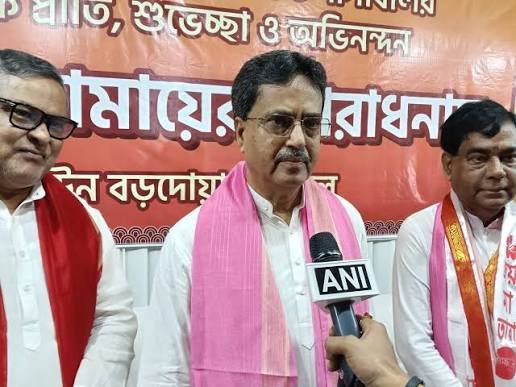
Tripura Chief Minister Dr. Manik Saha has confirmed his departure for New Delhi following reports of a high-level political meeting involving the state’s ruling alliance. The Chief Minister’s visit comes amid discussions aimed at addressing internal political differences and strengthening coordination ahead of upcoming rural elections.
The Delhi meetings could provide an opportunity for senior leaders to review the alliance’s political strategy and address disagreements that have emerged within the coalition. Moreover, direct participation by the Tripura Chief Minister places the state leadership at the centre of the discussions.
The visit has attracted attention because of the potential implications for the BJP-Tipra Motha partnership and its grassroots electoral strategy. However, the precise agenda and outcomes of the Delhi discussions remain subject to official announcements.
Bishnupur Militant Arrests: Four Cadres Held in Manipur Security Crackdown
Tripura CM Confirms Delhi Visit
Dr. Manik Saha has confirmed that he is travelling to New Delhi for high-level political discussions.
The Chief Minister’s participation brings the state’s top political leadership into the ongoing consultations. Furthermore, his presence could allow senior leaders to discuss state-level developments directly with central leadership.
The meeting comes at a politically significant time for Tripura.
However, details regarding the full schedule and participants have not been provided.
Political Restructuring Talks Gain Attention
The reported Delhi meetings focus on political restructuring and coalition coordination.
Such discussions can address organisational responsibilities, political strategy, and differences between alliance partners. Additionally, senior-level consultations can help establish a common approach before important elections.
The timing makes the discussions particularly significant.
However, the exact restructuring proposals remain unclear.
BJP-Tipra Motha Coalition Faces Test
The BJP and Tipra Motha have worked together within Tripura’s broader political framework, but differences can emerge between alliance partners with distinct priorities.
Tipra Motha has emphasised regional and tribal issues, while the BJP operates through a broader national political structure. Moreover, balancing these priorities can become more challenging during elections.
The Delhi discussions could therefore seek to maintain cooperation.
However, neither party has publicly confirmed a final restructuring arrangement based on the information provided.
Rural Elections Increase Political Pressure
Upcoming rural elections add importance to the Chief Minister’s Delhi visit.
Village-level elections can test the effectiveness of party organisations and coalition arrangements at the grassroots level. Furthermore, disagreements over candidates, local leadership, and campaign coordination can affect an alliance’s electoral performance.
Both parties therefore have an incentive to address internal issues before voting begins.
However, the eventual electoral outcome will depend on local political conditions and voter preferences.
Chief Minister’s Role in Coalition Coordination
As Chief Minister, Dr. Manik Saha remains a central figure in discussions concerning Tripura’s political administration.
His participation can help connect state-level political realities with decisions made during high-level consultations. Additionally, the Chief Minister can communicate the concerns and priorities of the state leadership directly.
This could help senior leaders develop a more practical political strategy.
However, any major organisational changes would require appropriate approval from the parties involved.
Delhi Provides High-Level Political Platform
New Delhi has become the venue for the reported discussions involving senior political leaders.
Central-level meetings can provide space for alliance partners to address sensitive disagreements away from the immediate pressures of state-level politics. Moreover, senior leadership can help mediate differences and establish broader political priorities.
This can strengthen coordination before elections.
However, a Delhi meeting alone does not guarantee a formal political settlement.
Tipra Motha’s Role Remains Important
Tipra Motha’s position within Tripura’s political landscape makes its relationship with the BJP particularly significant.
The party has maintained a strong focus on tribal and regional concerns. Furthermore, these priorities can influence negotiations over political strategy and organisational arrangements.
The reported restructuring talks may therefore need to account for these regional considerations.
However, the specific demands or proposals under discussion have not been officially detailed.
Internal Differences Could Affect Grassroots Politics
Political disagreements at the leadership level can eventually influence local party workers.
If coalition partners adopt different positions, grassroots supporters may receive conflicting messages. Additionally, disagreements over campaign responsibilities can complicate coordination in village-level constituencies.
Resolving these differences before voting could help prevent such problems.
However, local political dynamics may continue to vary even after a high-level understanding.
High-Level Talks Could Strengthen Coordination
The Delhi discussions could help both sides establish clearer political responsibilities.
Senior leaders may review electoral strategy, organisational coordination, and communication between alliance partners. Moreover, a common approach could reduce uncertainty among party workers ahead of the rural polls.
This could provide greater stability within the coalition.
However, the effectiveness of any agreement will depend on its implementation at the state and grassroots levels.
Political Restructuring May Have Wider Effects
Any significant organisational changes could influence Tripura’s political landscape beyond the immediate rural elections.
Changes in leadership roles, coalition responsibilities, or campaign strategy could affect relations between the BJP and Tipra Motha. Furthermore, such decisions could shape the alliance’s approach to future state and local political contests.
The Delhi discussions therefore carry broader political significance.
However, no specific restructuring decision has been confirmed.
What Happens Next?
Dr. Manik Saha’s Delhi visit is expected to form part of continued consultations among senior political leaders.
The discussions may address coalition differences, organisational coordination, and preparations for upcoming rural elections. Moreover, the state leadership may communicate any agreed decisions to party organisations after the meetings.
Further developments will depend on the outcome of the consultations.
However, formal announcements remain necessary before any reported restructuring can be treated as final.
Conclusion
Tripura Chief Minister Dr. Manik Saha’s reported Delhi visit places the state’s political leadership directly within high-level discussions over coalition coordination and possible restructuring. The timing comes as the BJP-Tipra Motha alliance faces the challenge of managing internal differences before rural elections.
Moreover, direct discussions among senior leaders could help clarify political responsibilities, address ideological disagreements, and strengthen grassroots coordination. At the same time, the success of any understanding will depend on how effectively the parties implement decisions at the state and local levels.
Overall, the Tripura CM’s Delhi visit highlights the growing political importance of coalition management ahead of the rural polls, while the final direction of the restructuring talks remains dependent on official decisions.
FAQs
1. Why is Tripura CM Manik Saha travelling to Delhi?
According to the information provided, he is travelling to participate in high-level political discussions following the reported summons.
2. What are the Delhi talks about?
The reported discussions focus on political restructuring, coalition coordination, and preparations for upcoming rural elections.
3. Which alliance is involved?
The discussions relate to the BJP-Tipra Motha political partnership in Tripura.
4. Could the talks change the coalition structure?
Potentially, but no specific restructuring decision has been officially confirmed in the information provided.
5. Why are the talks important now?
Upcoming rural elections increase the need for coordinated campaigning, candidate planning, and clear political messaging between alliance partners.