


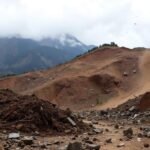

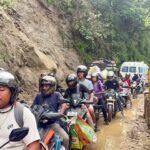

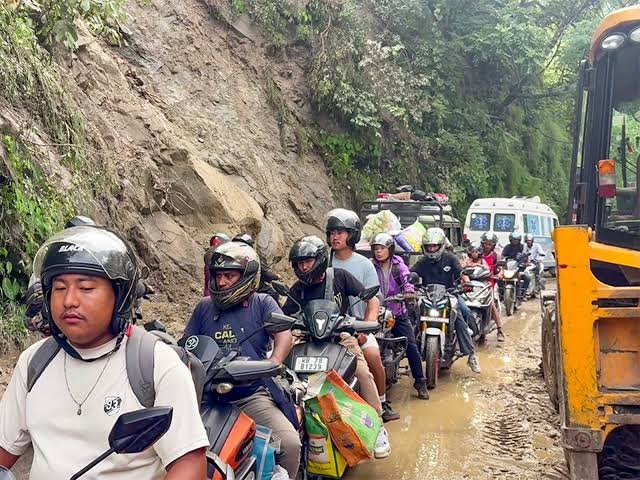
The Ravangla Yangang Route Update highlights continuing traffic difficulties in Namchi district as debris clearance operations affect movement along the Gogunay stretch. The Ravangla–Yangang road has faced disruption following debris and slide-related conditions. Meanwhile, authorities continue restoration and road-safety measures across vulnerable stretches of the district.
Mangan Landslide Impact Partially Blocks Teesta and Chyakoong Rivers
Ravangla Yangang Route Update Highlights Gogunay Disruption
The Ravangla Yangang Route Update comes as commuters face restricted movement along the Gogunay section of the road. Debris clearance operations have created significant traffic constraints, making the stretch difficult for regular vehicular movement.
Moreover, road conditions in mountainous areas can change quickly during periods of heavy rainfall. Consequently, even after machinery clears visible debris, authorities must continue checking slopes, drainage channels and road surfaces for additional risks.
The Ravangla–Yangang route has previously appeared in official Sikkim road-condition reports as a vulnerable stretch. Government road-status information has recorded the route as blocked at Pathing because of a slide, while other sections in the Yangang subdivision have also experienced disruptions.
Therefore, the latest restriction at Gogunay adds to the broader connectivity challenges faced by commuters travelling between Ravangla and Yangang. For residents, transport operators and other road users, even temporary restrictions can affect daily travel and access to nearby areas.
Debris Clearance Operations Continue Amid Traffic Restrictions
Debris clearance remains essential for restoring smoother movement along the affected road. However, such operations can themselves require traffic restrictions because heavy machinery needs adequate working space and road users must remain away from active clearance zones.
Additionally, workers may need to remove accumulated soil, rocks and other material before authorities can safely reopen the full carriageway. Therefore, commuters should expect movement conditions to change as restoration teams progress.
The latest situation also reflects the wider impact of monsoon-related road damage across Sikkim. In several districts, landslides and debris accumulation have forced authorities to deploy machinery and regulate traffic while restoration teams work on affected stretches.
Furthermore, the Namchi District Administration has recently placed greater emphasis on road safety and infrastructure management. During a District Highway Safety Task Force meeting on September 7, Deputy Commissioner Anupa Tamling reviewed ongoing roadworks and directed departments to address accident-prone locations, roadside encroachments and drainage-related problems.
The administration also called for warning signs at vulnerable locations and restrictions on heavy vehicles near sensitive stretches. Consequently, these measures could support safer traffic management as restoration activity continues across the district.
Ravangla Yangang Route Update Reflects Monsoon Road Risks
The Ravangla Yangang Route Update also demonstrates the continuing vulnerability of Sikkim’s mountain roads during the monsoon season. Steep terrain, unstable slopes and intense rainfall can combine to create sudden road blockages.
Earlier road-status reports from Sikkim recorded the Ravangla–Yangang road as blocked at Pathing because of a slide. Other routes in the Yangang subdivision also experienced slips and blockages, although several roads remained open for traffic.
Similarly, road authorities have repeatedly used machinery and manpower to clear debris from affected stretches. Such operations remain particularly important because leaving loose material near a carriageway can increase risks for both motorists and pedestrians.
Meanwhile, authorities continue to monitor road networks across Namchi district. The recent District Highway Safety Task Force meeting included officials from the Roads and Bridges Department, NHIDCL, police, transport authorities and other departments.
This multi-department approach can help improve coordination when road conditions deteriorate. Additionally, better coordination allows officials to respond more quickly when debris, landslides or drainage problems interrupt traffic.
The current restriction at Gogunay therefore needs to be viewed within this wider infrastructure context. While debris clearance can restore movement, authorities also need to address the underlying slope and drainage conditions that contribute to repeated disruptions.
Authorities Focus on Safer Road Movement in Namchi
The Ravangla Yangang Route Update comes alongside broader efforts to improve road safety throughout Namchi district. Authorities have identified road maintenance, traffic regulation and hazard management as important priorities.
During the September 7 highway safety meeting, the Namchi Deputy Commissioner directed officials to identify and map accident-prone blind spots. She also ordered warning signage and measures to control heavy-vehicle movement near vulnerable stretches.
Moreover, the administration raised concerns about construction materials being left along roadsides. Such material can block drainage systems and contribute to damage on road surfaces. Therefore, proper roadside management remains an important part of maintaining reliable connectivity.
Police officials also discussed temporary heavy-vehicle parking arrangements and traffic patrols along NH-710. According to the district administration, police personnel continue to patrol the highway between the Melli area and the junction with NH-510 near Singtam through Mamring and Samardong.
Meanwhile, road users travelling toward Ravangla and Yangang should remain alert to changing conditions around the Gogunay area. Clearance activity may require temporary traffic controls, particularly while machinery operates on or near the roadway.
As a result, commuters should follow local traffic directions and avoid attempting to pass through active clearance zones. Additionally, travellers can benefit from checking official road-status updates before beginning journeys during periods of unstable weather.
The restoration of normal movement will ultimately depend on the successful removal of debris and the stability of the affected stretch. Therefore, authorities may continue monitoring the road even after initial clearance operations finish.
Conclusion
The Ravangla Yangang Route Update highlights continuing traffic restrictions around Gogunay as debris clearance operations remain underway. Although restoration activity is aimed at improving movement, road users may continue to face delays until the affected stretch becomes fully stable and traffic conditions normalise. Moreover, ongoing road-safety monitoring by Namchi authorities remains important as monsoon-related risks continue across Sikkim.
FAQs
1. What is the latest Ravangla Yangang Route Update?
The Ravangla–Yangang route has faced restrictions around the Gogunay area because of debris and slide-related conditions, with clearance operations affecting traffic movement.
2. Where is the current disruption reported?
The reported restriction is around Gogunay on the Ravangla–Yangang route in Namchi district.
3. Why is debris clearance affecting traffic?
Clearance requires machinery and workers to operate around the affected road section. Therefore, authorities may restrict or regulate traffic to maintain safety during the operation.
4. Has the Ravangla–Yangang road faced previous disruptions?
Yes. Sikkim’s official road-condition information has previously recorded slide-related blockage on the Ravangla–Yangang road at Pathing.
5. What should commuters do during the restriction?
Commuters should follow official traffic instructions, avoid active clearance areas and check the latest road-status information before travelling.