


The Chungthang Lachen Road Reopening has restored an important transport link in North Sikkim after months of disruption around the Taramchu Bridge. The reconstructed stretch reopened for public use on August 29, providing relief to residents and improving access toward Lachen. However, tourism movement remains closely linked to the status of official permits and safety clearances.
Mangan Landslide Impact Partially Blocks Teesta and Chyakoong Rivers
Chungthang Lachen Road Reopening Restores a Vital Link
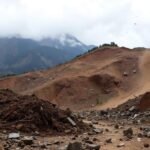
The Chungthang Lachen Road Reopening marks a significant development for North Sikkim connectivity. The road had remained disrupted since April 5 after a major formation breach affected the stretch near Taramchu Bridge. According to the Sikkim government, GREF personnel worked continuously for four months to restore the route.
The reconstructed section was formally inaugurated by Social Welfare Minister and Lachen-Mangan MLA Samdup Lepcha on August 29. District officials, GREF representatives and other local authorities attended the reopening.
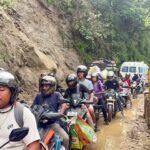
Moreover, the restoration provides more than a transport improvement. The Chungthang-Lachen axis serves as a crucial connection for residents of Lachen and surrounding areas. Therefore, reopening the route can support the movement of essential supplies, local residents and other travellers.
The road had previously suffered repeated damage from natural disasters. Consequently, the latest reconstruction represents another stage in the effort to maintain reliable connectivity in a challenging Himalayan environment.
Taramchu Restoration Supports Controlled Vehicle Movement
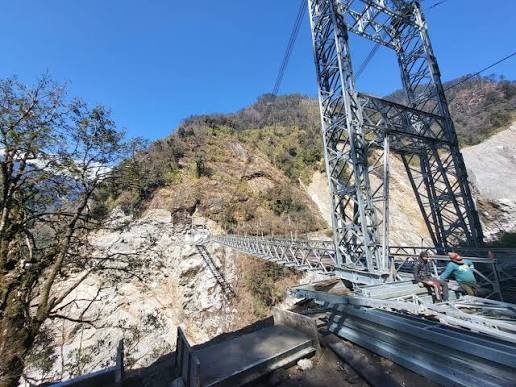
The Chungthang Lachen Road Reopening follows extensive restoration work at the Taramchu stretch. The official government update states that the road was formally opened for public use after the reconstructed section was completed.
However, reopening the road does not mean that every infrastructure risk has disappeared. The government has already planned additional reinforcement work along an approximately 80–100 metre vulnerable stretch. The proposed work includes rock bolting, retaining walls, high-tensile ropes, rockfall barriers and strengthening of the Taramchu Bridge abutment.
Furthermore, the planned reinforcement demonstrates the continuing need for caution around the route. Mountain roads remain vulnerable to slope movement, falling rocks and heavy rainfall even after emergency restoration.
The earlier damage also shows the scale of the challenge. The government reported that the road had been restored on February 26 but was cut off again on April 5. Therefore, long-term reinforcement remains important for maintaining dependable connectivity.
Meanwhile, the latest reopening allows authorities to move from emergency restoration toward strengthening the route for future use.
Chungthang Lachen Road Reopening Has Tourism Implications
The Chungthang Lachen Road Reopening also carries significance for North Sikkim’s tourism sector. Lachen is an important destination for visitors travelling toward high-altitude attractions, and reliable road access remains essential for tourism operations.
However, road access and tourist access are not necessarily the same thing. Tourist movement depends on administrative permits, safety conditions and applicable travel regulations. Therefore, tour operators and visitors need to follow the latest instructions issued by the competent authorities.
Reports indicating that some tour operators have paused bookings until tourist permits are reissued should be treated as an operational update rather than confirmation that tourism access has permanently stopped.
Earlier in 2026, the Mangan district administration had resumed the established permit system for Lachen after connectivity was restored in February. At that time, authorised travel agencies and representatives could approach the district administration for the required formalities.
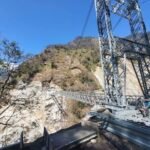
Additionally, authorities had introduced traffic regulations for vehicles using the newly installed Bailey suspension bridge over Taramchu. Those measures were intended to protect the bridge and maintain controlled movement.
Consequently, the current reopening should be viewed alongside the permit and safety framework governing tourist movement in North Sikkim.
Safety Monitoring Remains Important After Reopening
The Chungthang Lachen Road Reopening provides immediate connectivity benefits, but authorities still face the task of making the route more resilient. The planned reinforcement work indicates that officials recognise the continuing vulnerability of the area.
Moreover, the Taramchu stretch has experienced repeated disruptions over recent years. The Border Roads Organisation previously carried out extensive restoration work on the Lachen axis, including clearing landslides, constructing bridges and creating diversions to restore connectivity.
The latest reconstruction therefore forms part of a longer recovery process rather than an isolated road project.
Furthermore, weather conditions remain an important factor for travel in North Sikkim. Heavy rainfall can affect slopes, streams and road surfaces, making continued surveillance essential even after a route reopens.
For tourists, the reopening also creates an opportunity for travel once the relevant administrative permissions are available. Nevertheless, visitors should rely on current official permit instructions rather than assuming that road reopening automatically authorises tourist travel.
Similarly, tour operators need to coordinate with the administration before confirming journeys. This approach can help prevent confusion and ensure that travel arrangements match current safety and permit requirements.
Conclusion
The Chungthang Lachen Road Reopening has restored a crucial North Sikkim road link after four months of disruption at the Taramchu stretch. While the reopening provides relief to residents and improves connectivity toward Lachen, authorities still plan reinforcement work to strengthen the vulnerable section. Meanwhile, tourist travel will continue to depend on official permit procedures and prevailing safety conditions.
FAQs
1. When did the Chungthang-Lachen road reopen?
The reconstructed Taramchu stretch was formally reopened on August 29, 2026, after around four months of disruption.
2. Why was the Chungthang-Lachen road closed?
A major formation breach near Taramchu cut the road on April 5, disrupting the connection toward Lachen.
3. Is the Taramchu area completely risk-free after reopening?
No. The government has planned additional reinforcement work, including rockfall barriers, retaining structures and other safety measures along the vulnerable stretch.
4. Does road reopening automatically allow tourists to visit Lachen?
No. Road access and tourist permission are separate matters. Visitors and tour operators must follow the latest permit requirements issued by the competent authorities.
5. Why is the Chungthang-Lachen route important?
The route provides a crucial connection to Lachen and supports the movement of residents, supplies and tourism-related traffic in North Sikkim.