


Tripura’s primary dropout rate has reached zero per cent during the 2025-26 academic year, according to UDISE+ data cited by Chief Minister Manik Saha. The figure covers students at the primary level and marks a sharp improvement from 2.21 per cent in 2013-14. The state has linked the progress to sustained efforts to strengthen foundational literacy and improve school retention.
Oiii Police Theatrical Release: Ravi Sarma Film
Tripura Primary Dropout Rate Reaches Zero
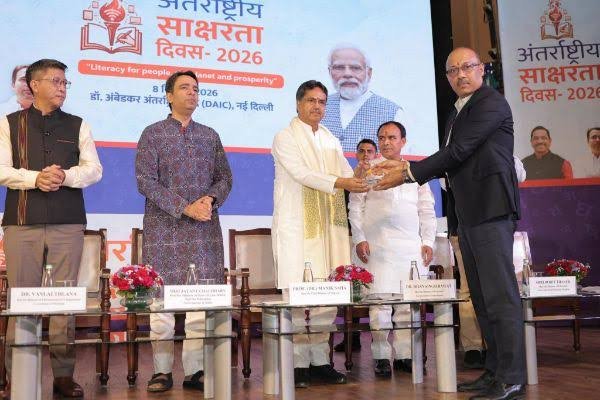
Tripura has recorded a zero per cent dropout rate at the primary level for 2025-26, according to data cited by Chief Minister Manik Saha. He announced the figure while addressing an International Literacy Day programme and ULLAS Mela 2026 in New Delhi on September 8.
The reported figure represents a substantial change over the past decade. According to the data cited by the Chief Minister, Tripura’s primary-level dropout rate stood at 2.21 per cent in 2013-14. It has now fallen to zero for the 2025-26 academic year.
The primary-level figure relates to Classes I to V. Therefore, the announcement specifically concerns the early years of school education rather than the entire school system. The distinction is important because dropout rates remain higher at later stages of education.
Moreover, the latest UDISE+ figures show that Tripura recorded a 10.40 per cent dropout rate for Classes IX and X in 2025-26. That figure also represents a significant decline from 25.51 per cent in 2013-14. Consequently, the state has reported progress at both the primary and secondary levels, although the secondary-stage figure remains a separate challenge.
The achievement therefore provides a measure of improved retention during the foundational years of schooling. However, a zero primary dropout rate does not mean that every challenge in school education has been resolved. Attendance, learning outcomes, transition between school stages and secondary-level retention remain important areas for continued attention.
Tripura Primary Dropout Rate Linked to Foundational Learning
Chief Minister Manik Saha attributed the improvement in the Tripura primary dropout rate to sustained efforts to strengthen foundational literacy across primary schools. Foundational learning focuses on ensuring that children develop essential literacy and numeracy skills during the early years of education.
The state has been implementing programmes aimed at strengthening learning at the primary level. NIPUN Bharat, a national mission for foundational literacy and numeracy, forms part of the broader framework supporting early-grade learning. Tripura has also implemented state-level initiatives intended to support children’s educational and social development.
Additionally, the government has highlighted the role of school facilities and learning support in keeping children connected with education. Reports on the state’s education initiatives have pointed to measures such as learning materials, libraries, digital learning resources and support for children who face difficulties remaining in school.
The government has also used UDISE-based tracking and other measures to identify children who may be at risk of leaving school. Such monitoring can help education authorities identify gaps and direct support toward students who require additional assistance.
Furthermore, the state has been working on early childhood preparation through Balvatika programmes. According to the latest reports, the government plans to introduce Balvatika, a one-year pre-school programme, across all 2,048 primary schools over the next two years. The objective is to strengthen children’s preparedness before they enter formal primary education.
These measures form part of a broader approach in which school participation and learning are treated together. Therefore, retaining children in school requires more than simply enrolling them. Schools also need to provide an environment in which students can continue attending and develop basic academic skills.
Tripura Primary Dropout Rate Improves From 2013-14
The change in Tripura’s primary dropout rate becomes clearer when compared with the state’s earlier position. The rate stood at 2.21 per cent in 2013-14, according to figures cited by the Chief Minister. By 2025-26, the reported rate had reached zero.
This decline reflects a longer-term focus on reducing early school leaving. Over the same period, authorities have introduced or expanded programmes designed to improve foundational learning, strengthen school infrastructure and support students from different backgrounds.
However, the improvement at the primary level contrasts with the remaining challenge at the secondary stage. The dropout rate for Classes IX and X declined from 25.51 per cent in 2013-14 to 10.40 per cent in 2025-26. Although the reduction represents progress, the figure shows that some students continue to leave school after the primary years.
Consequently, the government has said that reducing secondary-level dropout remains a priority. Saha indicated that the state wants to bring the secondary dropout rate down further over the next three to four years.
Meanwhile, the government is also considering new residential schools in remote areas with low enrolment. Such institutions could provide another option for students living in locations where access to regular schools presents difficulties. Reports have also referred to plans for modern residential schools modelled on the broader approach of Eklavya Model Schools.
The focus on remote and rural areas is significant because geographical access can affect school participation. Therefore, future progress will depend not only on maintaining the reported primary-level retention but also on ensuring that students can successfully move from primary to upper-primary and secondary education.
Tripura Primary Dropout Rate Sets Next Education Challenge
The zero per cent primary dropout figure gives Tripura a new benchmark, but the next challenge will involve maintaining the result while improving outcomes at higher levels. Education authorities will need to ensure that children who remain in primary school also develop the foundational skills expected for their age and grade.
The latest national UDISE+ data show that dropout rates vary considerably across different stages of education. For Tripura, the 2025-26 data list a zero per cent primary dropout rate, a 3.2 per cent upper-primary dropout rate and a 10.4 per cent secondary dropout rate.
Therefore, the transition from primary to upper-primary education remains an important point for policy attention. Similarly, the transition into secondary education presents a larger retention challenge. Reducing dropout at these stages would help ensure that the gains recorded during the primary years continue throughout a student’s school career.
Moreover, the state has linked its education strategy to improving foundational literacy and strengthening school facilities. Balvatika expansion, residential-school planning and continued monitoring of students are among the measures being discussed or implemented.
The government has also indicated that it wants to reduce secondary dropout to a minimum within the next three to four years. Achieving that objective will require sustained intervention because the reasons behind school dropout can differ according to age, location, family circumstances and access to education.
Nevertheless, the reported zero per cent primary dropout rate provides an important indicator of progress in school retention. It also creates a baseline against which future education policies can be assessed. If the state maintains primary retention while improving transition and secondary-level outcomes, the overall education system could record broader gains.
The immediate task, therefore, is to sustain the primary-level result and ensure that children do not leave the education system at later stages. The government’s continued emphasis on foundational learning suggests that early education will remain central to this strategy.
Conclusion
Tripura’s primary dropout rate has reached zero per cent in the 2025-26 academic year, according to UDISE+ data cited by Chief Minister Manik Saha. The figure marks an improvement from 2.21 per cent in 2013-14 and has been attributed to sustained efforts to strengthen foundational literacy and school retention.
However, the achievement covers the primary stage and does not eliminate challenges elsewhere in the education system. The secondary dropout rate stood at 10.40 per cent in 2025-26, although it has declined significantly from 25.51 per cent in 2013-14. Therefore, the next phase of Tripura’s education strategy will focus on maintaining primary retention while improving transitions and reducing dropout at higher levels.
FAQs
What is Tripura’s primary dropout rate in 2025-26?
Tripura recorded a zero per cent dropout rate at the primary level during the 2025-26 academic year, according to UDISE+ data cited by Chief Minister Manik Saha.
How has the Tripura primary dropout rate changed?
The Tripura primary dropout rate declined from 2.21 per cent in 2013-14 to zero per cent in 2025-26. The government has linked the improvement to sustained efforts to strengthen foundational literacy and school retention.
What is Tripura’s secondary dropout rate?
The dropout rate for Classes IX and X in Tripura was 10.40 per cent in 2025-26. It had stood at 25.51 per cent in 2013-14, showing a substantial decline over the period.
Which initiatives are linked to the improvement in school retention?
The government has highlighted efforts to strengthen foundational literacy, including initiatives associated with NIPUN Bharat and state-level programmes. It has also discussed Balvatika expansion, school facilities, student support and monitoring of children at risk of leaving school.
What is the next challenge after achieving zero primary dropout?
The next challenge is to maintain the Tripura primary dropout rate at zero while reducing dropout at upper-primary and secondary levels. The government has stated that it aims to reduce secondary-level dropout further over the next three to four years.