







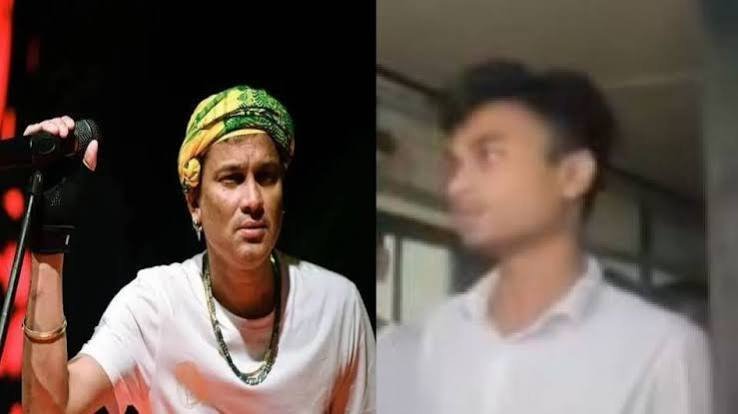
Zubeen Garg has become the focus of a fresh controversy in Assam after police detained a youth in Doboka for allegedly making derogatory remarks about the late singer in a video circulated on social media. The incident has drawn reactions from local residents and added to a series of controversies involving online comments about the singer.
The youth has been identified as Zaidul Alam, a resident of Nilbagan Sadar village, according to reports. Police action followed the circulation of the video, which allegedly contained disparaging comments about Zubeen Garg and questioned the singer’s identity.
Zubeen Garg video spreads on social media
According to reports, Alam appeared in the video and allegedly made remarks considered objectionable by viewers. The video subsequently circulated widely on social media platforms, prompting strong reactions from sections of the local community.
However, the allegations against the youth have not been established in court. The available reports describe the remarks as alleged and do not indicate a final finding on the matter.
The incident highlights how social media posts and videos can quickly draw public attention in Assam, particularly when they involve prominent cultural figures. In this case, the circulation of the video preceded police intervention in Doboka.
Zubeen Garg remains a major cultural figure
Zubeen Garg was one of Assam’s most prominent singers and cultural figures. His death in Singapore in September 2025 triggered widespread mourning across Assam and the wider Northeast.
The singer died on September 19, 2025, while swimming in the sea in Singapore, where he had travelled to attend the fourth edition of the North East India Festival. His death has continued to generate public attention, including over online statements concerning his life, legacy and death.
Consequently, remarks targeting Zubeen Garg have repeatedly attracted strong public reactions. Authorities have also dealt with earlier complaints involving alleged objectionable social media content about the singer and his family.
Earlier cases over Zubeen Garg comments
The latest detention comes months after another case involving alleged derogatory social media posts about Zubeen Garg. In January 2026, his wife, Garima Saikia Garg, lodged a complaint with the Crime Branch of Guwahati Police against social media commentator Sikha Sarma.
Police subsequently registered a case and detained Sarma for questioning. Reports said the complaint referred to a series of allegedly objectionable Facebook posts concerning the singer, his character and his legacy.
Police later arrested Sarma in connection with the case, while the investigation continued. The episode showed the legal and public scrutiny that online remarks concerning the singer could attract.
Police action follows public reaction
In the Doboka case, the immediate issue centres on the video attributed to Zaidul Alam. Reports say the content circulated on social media before police detained him.
Meanwhile, available reports have not provided details of the specific legal sections invoked in the latest case. They also do not indicate whether a formal chargesheet has been filed or whether the investigation has reached a final stage.
Therefore, the allegations should be treated as claims under investigation rather than established facts. Police action at this stage does not by itself determine criminal liability.
Zubeen Garg controversy adds to online scrutiny
The latest case involving Zubeen Garg comes at a time when discussions about the singer remain highly sensitive across Assam. His cultural influence and the circumstances surrounding his death have kept his name prominent in public discourse.
Additionally, earlier cases show that comments made online about the singer can quickly lead to complaints and police investigations. The Doboka incident again places social media activity under scrutiny, while authorities examine the allegations against the detained youth.
For now, the case remains at the investigation stage. Further police action or legal proceedings will determine how the allegations develop. Until then, the claims made against the youth remain allegations and should not be treated as proven wrongdoing.