





Guwahati’s Integrated Traffic Management System (ITMS) aims to modernise traffic control across the city. The project uses technology to monitor intersections, detect violations and improve traffic movement. However, the claim that Guwahati Smart City has newly rolled out the system across 50 intersections remains unverified. Official records describe a wider project covering 94 traffic junctions. The state launched its first phase in August 2022, initially covering 20 junctions. Subsequent updates reported progress, but later accounts highlighted delays and operational challenges. Therefore, the project’s implementation remains an important issue for commuters.
Gauhati High Court Quashes Pranab Doley’s NSA Detention
Guwahati Smart City Introduced Integrated Traffic Management
Guwahati Smart City Limited introduced the ITMS to address the city’s growing traffic management challenges. The project seeks to connect traffic signals, surveillance cameras and monitoring facilities through an integrated platform.
Chief Minister Himanta Biswa Sarma inaugurated the first phase on August 23, 2022. The initial phase covered 20 traffic junctions between Nepali Mandir and Khanapara.
The system operates through a dedicated control room at Ulubari. It enables traffic authorities to monitor major intersections and respond to changing road conditions.
Moreover, the project aims to reduce dependence on manual traffic regulation. Connected signals can coordinate traffic movement and support more efficient management.
The original plan covered 94 junctions across Guwahati. This wider network was expected to improve traffic monitoring and enforcement across important city roads.
Smart Signals and Cameras Form the Core System
The ITMS combines several technological components to improve traffic regulation. Adaptive traffic signals form one of its central features.
Unlike conventional fixed-time signals, adaptive systems can respond to traffic conditions. Vehicle detection equipment helps identify traffic movement and supports adjustments to signal timing.
The project also includes cameras at major intersections. These cameras support surveillance and help authorities identify traffic violations.
The system’s proposed traffic analytics features include detection of red-light violations, riding without helmets and triple riding. It can also identify drivers using mobile phones and motorists not wearing seat belts.
Furthermore, automatic number plate recognition can support vehicle identification and electronic challan generation.
These features could help traffic police monitor violations more consistently. However, their effectiveness depends on reliable equipment, proper integration and regular maintenance.
Project Targets 94 Traffic Junctions
Guwahati Smart City Limited’s official project information identifies 94 traffic junctions as the intended coverage area.
The first phase covered 20 junctions in August 2022. The remaining locations were expected to receive connected traffic signals and surveillance facilities in subsequent phases.
The project also includes a central monitoring arrangement. This platform aims to bring traffic information together and support coordinated decision-making.
A parliamentary reply provided a later progress update. It stated that 61 of the 94 ITMS and Adaptive Traffic Control System junctions had been completed.
The remaining 33 junctions were still under implementation at the time of that update. The reply also reported progress at speed violation detection locations.
The government stated that ₹78.44 crore had been provided to Guwahati Smart City Limited for the ITMS project. This amount included five years of operation and maintenance.
These figures show that the project had moved beyond its initial phase. However, the reported completion figures do not establish that all systems became fully operational.
Operational Challenges Raised Questions
Despite its ambitious objectives, the ITMS faced implementation difficulties. Reports published in November 2025 described the project as incomplete and unsuccessful in addressing the city’s traffic problems.
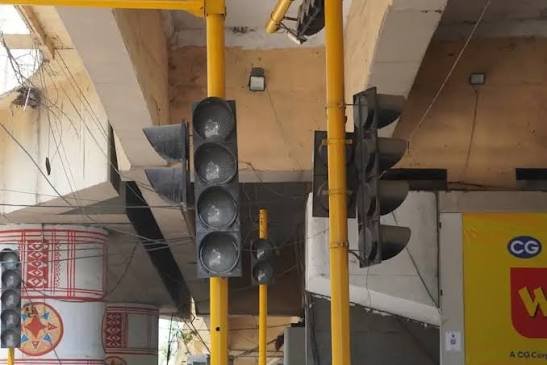
The reports highlighted problems with traffic signals and surveillance equipment. Some intersections reportedly continued to rely on manual traffic control.
A separate report attributed implementation difficulties partly to the absence of detailed scientific traffic-flow studies before deployment.
Such studies help planners understand vehicle volumes, peak-hour movement and congestion patterns. Without reliable assessments, authorities may struggle to configure signals according to actual road conditions.
Earlier reports also raised concerns about the delayed operation of automated enforcement features. These included automatic violation detection and electronic challan generation.
Consequently, installing cameras and signals does not automatically guarantee better traffic management. Authorities must ensure that equipment works reliably and that different systems communicate effectively.
Intelligent Surveillance Project Adds Another Layer
Guwahati has also moved forward with a separate Intelligent City Surveillance System. The initiative aims to strengthen citywide monitoring and improve public safety.
A November 2025 report described the project as a ₹177 crore initiative. Its proposed components include around 2,000 CCTV cameras, an Integrated Command and Control Centre, public announcement systems and emergency call boxes.
The project also addresses traffic and crowd management. However, it should not be confused with the original ITMS.
The two initiatives have different scopes and implementation components. The ITMS focuses on traffic signals, traffic analytics and automated enforcement. Meanwhile, the surveillance system places wider emphasis on public monitoring and emergency response.
Both projects form part of Guwahati’s broader smart-city technology plans. Their coordination could support better access to information for city authorities.
Traffic Management Remains a Major Urban Challenge
Guwahati continues to face congestion across several major roads and intersections. Rising vehicle numbers, road construction and uneven traffic distribution contribute to the pressure.
Peak-hour movement often creates long queues near commercial areas and important junctions. Therefore, traffic authorities need reliable monitoring and responsive signal management.
An integrated system could help identify congestion patterns and improve signal coordination. It could also support emergency vehicle movement through coordinated green corridors.
However, technology alone cannot resolve every traffic problem. Road discipline, parking management, public transport and infrastructure planning also influence congestion.
Authorities must therefore combine digital monitoring with practical traffic regulation. Regular maintenance and accurate traffic studies are equally important.
Completion and Maintenance Will Determine Results
The ITMS requires continued attention from Guwahati Smart City Limited and Assam Police. Both agencies have important roles in implementation and daily traffic management.
Authorities must verify the operational status of each installed signal and camera. They also need to address damaged cables, equipment failures and communication problems.
Furthermore, the city needs clear information about completed junctions and functioning enforcement features. Such updates would help commuters understand the project’s actual progress.
The five-year operation and maintenance provision reported in the parliamentary reply also highlights the importance of long-term system management.
Regular performance reviews can identify technical problems before they affect major intersections. In addition, updated traffic-flow studies could help authorities improve signal timing.
The city must focus on reliable operation rather than installation figures alone. Ultimately, commuters will judge the project through smoother journeys, safer intersections and more consistent traffic regulation.
Conclusion
Guwahati’s Integrated Traffic Management System represents an important effort to modernise urban traffic control. The project originally targeted 94 junctions and began with 20 locations in August 2022.
A parliamentary update later reported completion at 61 junctions. However, subsequent reports highlighted delays and operational challenges.
The claim of a new rollout across 50 intersections remains unconfirmed. Authorities need to clarify the latest implementation status and ensure that installed systems work effectively. Consistent maintenance, scientific traffic planning and coordinated enforcement will determine the project’s long-term value.
FAQs
1. What is Guwahati’s Integrated Traffic Management System?
It is a smart-city initiative that uses connected signals, cameras and traffic analytics to improve road monitoring and regulation.
2. When did Guwahati launch the ITMS?
Chief Minister Himanta Biswa Sarma inaugurated its first phase on August 23, 2022.
3. How many traffic junctions does the project cover?
The official project plan identifies 94 traffic junctions across Guwahati.
4. How many junctions had been completed in the parliamentary update?
The update reported completion at 61 of the 94 planned ITMS and adaptive traffic control junctions.
5. What violations can the system detect?
Its planned features include red-light violations, riding without helmets, triple riding, mobile phone use while driving and seat-belt violations.
6. Has a new rollout across 50 intersections been confirmed?
Available official records do not confirm a fresh rollout covering 50 intersections.