


Siang Project Stakeholder Talks continued in Arunachal Pradesh as officials met community representatives to discuss the proposed 11,200 MW Siang Upper Multipurpose Project (SUMP). A consultative session took place in Yingkiong on November 24, with reports published in November 2026. Officials presented details of the project’s Pre-Feasibility Report (PFR) and discussed possible benefits alongside environmental, geological and social concerns. The meeting comes amid sustained opposition from sections of the Adi community and anti-dam organisations. While the government has emphasised dialogue and public consultation, protest groups continue to demand a halt to preliminary survey activities.
Bishalgarh Blast Injures Youth Morcha Leader
Officials Discuss Project Details in Yingkiong
The latest Siang Project Stakeholder Talks brought senior officials and local representatives together at the Deputy Commissioner’s Conference Hall in Yingkiong.
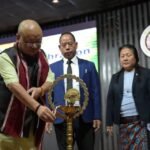
Divisional Commissioner (East) Amjad Tak chaired the session. Upper Siang Deputy Commissioner Ashok Tajo and Ministry of Power Director Sagar Singh Kalsi also attended.
Other participants included Zilla Parishad Chairperson Api Kombo, ZPM Orik Tali and members of the Siang Affected Area Youth Association (SAAYA). Administrative officers, Gram Panchayat Chairpersons and Gaon Burahs also joined the discussion.
The meeting focused on the project’s Pre-Feasibility Report. Officials explained its technical dimensions, objectives, scope and potential advantages and disadvantages.
They also discussed the possible development opportunities associated with the proposed project. However, participants raised questions about its environmental and social consequences.
The session formed part of the administration’s efforts to engage communities before advancing further technical studies.
Environmental and Geological Risks Remain Central
Environmental concerns featured prominently during the Yingkiong consultation.
Participants called for comprehensive assessments of environmental and geological vulnerabilities in the project area. The discussion also covered the role of dams and barrages in flood moderation, water management and reducing downstream flood risks.
Officials referred to flood-prone regions such as Nepal and Bihar while discussing possible flood-management considerations.
However, the region’s geological conditions require careful examination. The Siang Valley lies in a seismically active part of the eastern Himalayas. Therefore, detailed technical studies will be important when assessing the safety and feasibility of a project of this scale.
The meeting also addressed infrastructure requirements, rehabilitation and livelihood security. Representatives highlighted the socio-economic implications for communities that could face changes if the project advances.
These concerns remain important because the Siang River holds deep cultural and traditional significance for the Adi community.
Government Emphasises Consultation and Public Consent
The administration reiterated that local residents would remain part of the decision-making process.
During the Siang Project Stakeholder Talks, officials assured participants that authorities would take affected communities into confidence. They also stated that no project-related activities would proceed without public consent.
The meeting concluded with an emphasis on transparency, sustained consultation and continued engagement with stakeholders.
These assurances come amid questions from community organisations about the consultation process. Some groups have argued that residents need clearer information about the project’s possible effects before authorities conduct further surveys.
Chief Minister Pema Khandu has also maintained that the government will not take a construction decision without detailed public consultation and consent. He has described the current stage as a pre-feasibility exercise rather than final approval for building the dam.
The distinction matters because the PFR aims to examine whether the proposed project is technically and environmentally viable. It does not, by itself, authorise construction.
Anti-Dam Protests Continue Across the Siang Region
The consultation has not ended opposition to the proposed project.
Several community organisations and youth groups have continued to challenge the preliminary survey process. Their concerns include possible displacement, loss of agricultural land, environmental damage and disruption to traditional ways of life.
The Adi Bane Kebang United Youth Wing-Apex has maintained its opposition under the slogan “No PFR, No Dam”. The organisation also called for a mass peaceful rally in Pasighat.
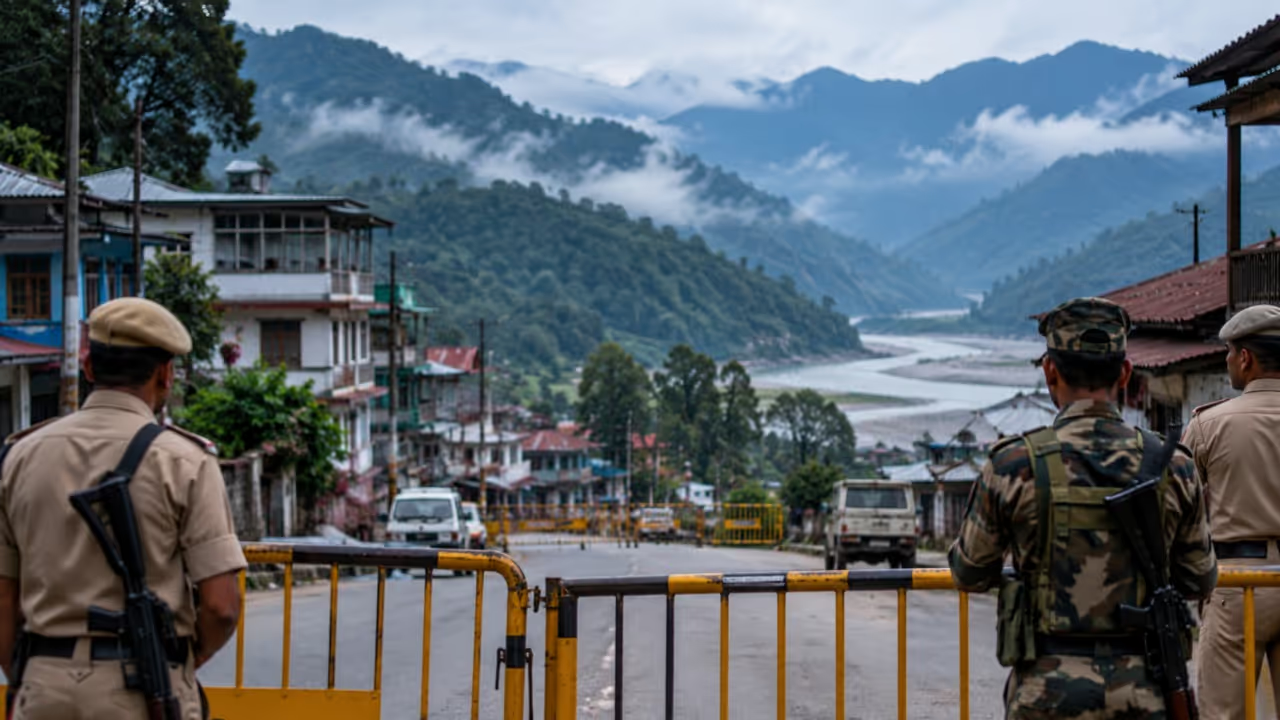
Its demands included the release of detained protesters, withdrawal of security forces from Siang and Upper Siang districts, and the withdrawal of cases against SUMP activists. It also sought the revocation of suspension orders against Gaon Burahs and Gaon Buris.
Meanwhile, the Siang Indigenous Farmers’ Forum has raised concerns about transparency and consultation with landowners who could face the project’s impact.
The continuing protests show that dialogue remains difficult. Community organisations want clearer assurances and answers before allowing preliminary studies to move forward.
Separate Village-Level Consultation Held in Boleng
The administration has also conducted outreach in other parts of the proposed project area.
A separate village-level consultation took place in Boleng, the headquarters of Siang district. Senior state officials and representatives of the Union Ministry of Power met village heads and local representatives from areas identified for PFR drilling sites.
Representatives from Pangkang, Riga, Sitang, Parong, Riew and Begging attended the meeting. Officials discussed the proposed drilling locations and the concerns of villages likely to be affected.
The district administration also explained the role of Village-Level Development Committees. These bodies are expected to help communicate local concerns and coordinate engagement between communities and officials.
The Boleng meeting and the Yingkiong session form part of a wider consultation effort. However, the administration will need to maintain regular communication and address specific community concerns to build trust.
Strategic Importance and Local Concerns Shape Debate
The proposed 11,200 MW Siang Upper Multipurpose Project carries both regional and national significance.
Supporters point to its potential contribution to hydropower generation, energy security and infrastructure development. The project also forms part of India’s wider strategic considerations concerning major hydropower development upstream of the Siang River in China.
Union Home Minister Amit Shah recently described the project as a national priority and offered discussions with affected communities. He also referred to a comprehensive rehabilitation package.
However, strategic considerations have not removed local concerns. Residents continue to seek clarity on displacement, compensation, environmental safeguards and the protection of cultural heritage.
The government therefore faces the challenge of balancing national energy objectives with community rights and environmental responsibilities.
Conclusion
Siang Project Stakeholder Talks in Yingkiong have renewed the administration’s effort to address concerns surrounding the proposed 11,200 MW dam. Officials discussed environmental risks, rehabilitation, livelihoods and the scope of the Pre-Feasibility Report. They also reiterated assurances about public consultation and consent. However, anti-dam organisations continue to oppose preliminary survey activities and demand stronger safeguards. The project’s next steps will depend on technical assessments, transparent communication and meaningful engagement with affected communities.
FAQs
1. What is the Siang Upper Multipurpose Project?
It is a proposed 11,200 MW hydropower project on the Siang River in Arunachal Pradesh.
2. When did officials hold the Yingkiong consultation?
The consultative session took place on November 24, 2026, at the Deputy Commissioner’s Conference Hall in Yingkiong.
3. Who chaired the stakeholder meeting?
Divisional Commissioner (East) Amjad Tak chaired the session.
4. What concerns did community representatives raise?
They discussed environmental and geological risks, rehabilitation, infrastructure, livelihood security and the project’s socio-economic effects.
5. What is the current stage of the project?
The project remains at the Pre-Feasibility Report stage. This process examines its technical and environmental viability and does not constitute final construction approval.
6. Why are anti-dam groups continuing their protests?
They have raised concerns about displacement, environmental damage, community rights and the proposed preliminary surveys. Their slogan calls for stopping the PFR process.