






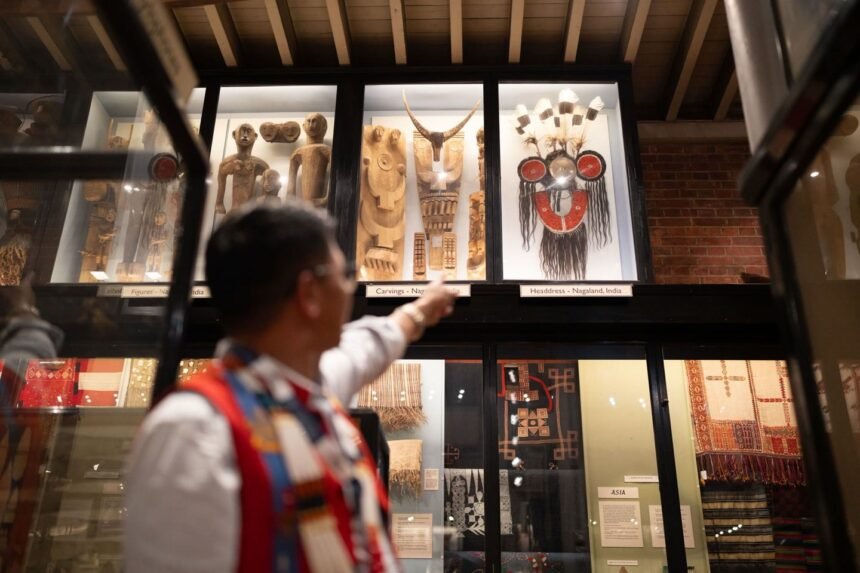
Nagaland is preparing to welcome 39 ancestral human remains belonging to the Naga community from the University of Oxford’s Pitt Rivers Museum in the United Kingdom on November 27. The remains have stayed overseas for nearly a century, making their return a significant moment for the Naga people. The Naga Tribes Hoho (NTH) and the Forum for Naga Reconciliation (FNR) have announced a special homecoming programme in Dimapur.
Community leaders, representatives of various Naga tribes and members of the public will gather to honour the ancestors. Moreover, the repatriation marks an important step towards restoring cultural dignity and recognising historical injustices linked to the colonial era.
Read More: Arunachal Celebrates 77th Constitution Day
Key Facts About the Repatriation
- Number of ancestral remains: 39.
- Community: Naga people.
- Origin: Pitt Rivers Museum, University of Oxford, United Kingdom.
- Return date: November 27.
- Homecoming venue: Dimapur, Nagaland.
- Organising organisations: Naga Tribes Hoho and Forum for Naga Reconciliation.
- Historical background: The remains left Nagaland during the colonial era.
- Significance: Restoring ancestral heritage and cultural dignity.
39 Ancestral Naga Remains Set to Return Home
The return of the 39 ancestral human remains marks an important milestone for the Naga community. The ancestors remained in the United Kingdom for nearly 100 years, far from their homeland.
Over the years, Naga organisations and community representatives have pursued efforts to bring these ancestral remains home.
Now, their return offers the community an opportunity to reconnect with its heritage and honour its ancestors through traditional practices.
Furthermore, the development highlights the growing global movement among indigenous communities to reclaim ancestral remains and cultural objects held in overseas museums.
Dimapur to Host Special Homecoming Programme
The Naga Tribes Hoho (NTH) and the Forum for Naga Reconciliation (FNR) have announced a special homecoming programme in Dimapur.
The organisers expect community leaders, representatives from different Naga tribes and members of the public to attend the event.
During the programme, participants will pay their respects and honour the memory of the returning ancestors.
The gathering will also provide an opportunity for the Naga community to reflect on its history, identity and cultural heritage.
Oxford Museum’s Historical Naga Collection
The Pitt Rivers Museum at the University of Oxford houses an extensive collection of ethnographic objects from different parts of the world.
In particular, the museum holds the world’s largest collection of Naga artefacts. British colonial administrators acquired many of these objects during the early twentieth century.
These collections reflect the colonial-era practice of collecting cultural objects and ancestral remains from indigenous communities.
In 2020, the museum removed all human remains from public display. The institution took this step as part of a wider review of its collections and ethical museum practices.
Meanwhile, the return of the 39 ancestral remains highlights ongoing discussions about historical ownership, cultural rights and the repatriation of indigenous heritage.
Repatriation Marks a Historic Moment for Naga Heritage
For the Naga community, the homecoming carries deep emotional, cultural and historical significance.
The return brings the ancestors closer to their homeland after nearly a century overseas. It also gives younger generations an opportunity to understand their history and strengthen their connection with their roots.
Moreover, the development highlights the importance of recognising colonial-era injustices and respecting indigenous communities’ cultural rights.
The repatriation could also encourage further discussions about returning ancestral remains and cultural belongings held in foreign institutions.
Questions and Answers
1. How many Naga ancestral remains will return to Nagaland?
A total of 39 ancestral human remains will return.
2. Where were the remains kept?
The Pitt Rivers Museum at the University of Oxford in the United Kingdom housed the remains.
3. When will the remains return to Nagaland?
The scheduled return date is November 27.
4. Where will the homecoming programme take place?
The Naga community will organise the programme in Dimapur, Nagaland.
5. Which organisations announced the programme?
The Naga Tribes Hoho and the Forum for Naga Reconciliation announced the homecoming event.
6. Why is this repatriation important?
It will help restore ancestral heritage, recognise historical injustices and strengthen the cultural identity of the Naga people.
Importance of the Repatriation for Northeast India
Nagaland has a rich indigenous history, with different Naga tribes maintaining distinct cultural traditions and ancestral identities. Therefore, the return of these remains represents an important moment not only for Nagaland but also for wider discussions about indigenous rights, cultural preservation and historical justice across Northeast India.
Also Read: Meghalaya Extends Birth Record Name Deadline – Prime 24 Seven