





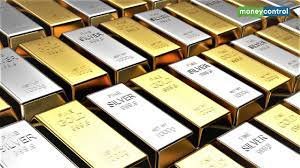
Gold prices in the national capital of Delhi saw a modest increase of Rs 195, reaching Rs 59,700 per 10 grams on Wednesday. The upward movement was attributed to strong global cues, according to HDFC Securities. In the previous trading session, the precious metal had closed at Rs 59,505 per 10 grams. Additionally, silver also experienced a gain of Rs 200, reaching Rs 72,700 per kilogram.
The global market played a significant role in influencing gold prices in Delhi. Investors closely monitored the international market, which exhibited positive trends, thus exerting upward pressure on gold prices. The rise in gold prices can be attributed to several factors, including geopolitical tensions, fluctuations in currency markets, and the performance of other commodities.
Gold has long been considered a safe haven investment during times of uncertainty. Geopolitical tensions, such as conflicts between nations or political instability within a country, often lead investors to seek the stability and security provided by gold. Furthermore, fluctuations in currency markets can also impact gold prices. When a currency weakens, investors often turn to gold as an alternative investment, leading to an increase in demand and subsequently driving up prices.
Moreover, gold prices can be influenced by the performance of other commodities. As the prices of other commodities, such as oil or agricultural products, rise or fall, investors may adjust their portfolios accordingly. This can lead to a shift in demand for gold, impacting its price in the market.
In the context of global cues, gold prices experienced an upward trend due to various factors. Firstly, tensions between major global economies contributed to an atmosphere of uncertainty. Conflicts related to trade disputes or political disagreements can create a sense of instability, prompting investors to seek the relative safety of gold.
Additionally, fluctuations in the value of major currencies, particularly the US dollar, have a significant impact on gold prices. As the dollar weakens, gold becomes more affordable for investors using other currencies, leading to increased demand and higher prices.
The COVID-19 pandemic has also played a crucial role in influencing gold prices. The economic uncertainty and volatility caused by the pandemic led investors to seek safe haven assets like gold. The unprecedented nature of the pandemic and its impact on global economies made gold an attractive investment option.
Furthermore, central bank policies and interest rates can affect gold prices. When interest rates are low, the opportunity cost of holding gold decreases, making it a more attractive investment. Central banks, which hold significant gold reserves, also play a role in influencing gold prices through their buying and selling activities.
In Delhi, the local market responded to the positive global cues by witnessing a rise in gold and silver prices. Gold, often considered a traditional investment in India, holds cultural and sentimental value for many people. The demand for gold in the country is influenced by factors such as weddings, festivals, and religious ceremonies.
The increase in silver prices mirrored the upward movement of gold. Silver is often seen as a more affordable alternative to gold, and its demand is influenced by factors similar to those affecting gold prices. The rise in silver prices can be seen as a reflection of the overall positive sentiment in the precious metals market.
Gold prices in Delhi witnessed an increase of Rs 195, reaching Rs 59,700 per 10 grams, due to strong global cues. Factors such as geopolitical tensions, currency fluctuations, and the performance of other commodities played a significant role in influencing gold prices. Silver also experienced a gain, reaching Rs 72,700 per kilogram. The rise in precious metal prices can be attributed to the positive global market trends and the inherent appeal of gold as a safe haven investment during times of uncertainty.