






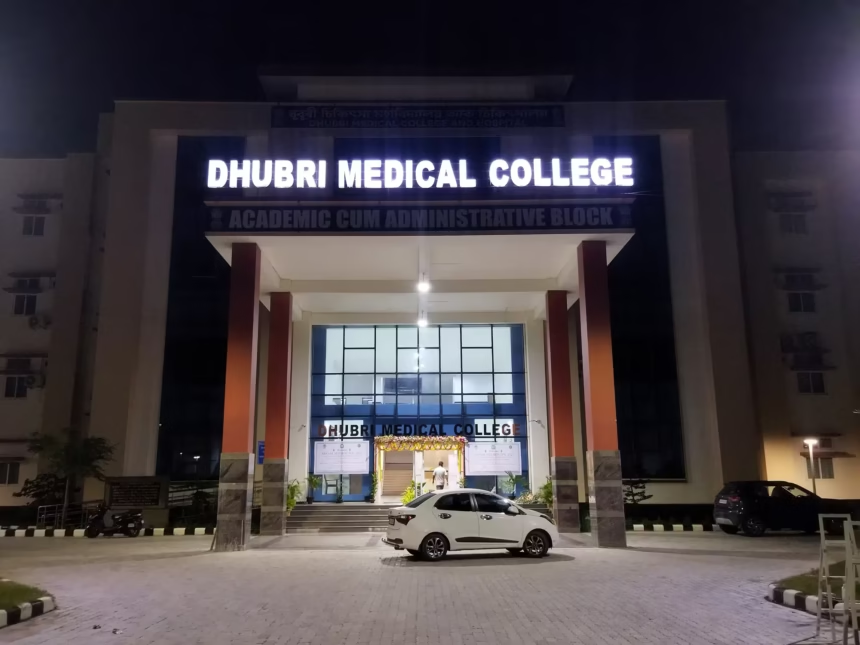
Dhubri Medical College & Hospital (DMC&H) organized a Continuing Medical Education (CME) program on September 11, focusing on acute respiratory infections (ARIs). The event, titled “Acute Respiratory Infection: From Cough to Crisis,” brought together leading doctors, medical students, and health professionals to discuss diagnosis, treatment, and prevention strategies.
The CME program emphasized early detection and effective management of ARIs, which continue to be a major public health concern in India. Speakers highlighted that timely medical intervention is essential to prevent complications that can lead to hospitalization and fatalities, especially among children and elderly patients.
Doctors and Experts Share Insights
The CME featured sessions led by senior physicians and respiratory specialists who presented the latest research on ARI trends, symptoms, and treatment protocols. They discussed case studies from Assam and neighboring states, illustrating the rising burden of respiratory illnesses due to environmental and lifestyle factors.
Interactive workshops during the event allowed participants to gain hands-on training in respiratory care techniques. Attendees learned about advancements in diagnostic tools, including rapid antigen tests, digital imaging, and molecular testing for respiratory pathogens.
Importance of Early Diagnosis
Speakers stressed that acute respiratory infections remain a leading cause of morbidity in India. Many cases are often misdiagnosed or ignored until they become severe. Experts underlined the need for early screening, particularly in rural areas where healthcare access remains limited.
Sessions focused on primary healthcare workers’ role in identifying early symptoms such as persistent cough, fever, and breathing difficulties. Doctors also discussed the importance of antibiotic stewardship to prevent drug resistance, a growing global health threat.
Role of Public Awareness
The CME program emphasized community involvement and awareness campaigns as key strategies to control ARI outbreaks. Public health officials encouraged the use of masks, proper ventilation, and vaccination to reduce transmission risks.
The discussions also highlighted seasonal surges of respiratory infections, especially during monsoons and winters. Experts suggested that better education about symptoms and timely treatment could reduce hospital admissions significantly.
Assam’s Healthcare Initiatives
The event showcased Assam’s ongoing efforts to strengthen its healthcare system. Dhubri Medical College, one of the state’s emerging medical hubs, has been actively working to expand its facilities and services.
Officials highlighted the government’s investment in respiratory care infrastructure, including ventilator-equipped ICUs and oxygen plants established during the COVID-19 pandemic. The CME was seen as part of a broader plan to train healthcare workers and prepare them for future health challenges.
Collaborative Efforts Across Northeast
Medical professionals from neighboring states such as Meghalaya, West Bengal, and Arunachal Pradesh participated in the discussions, emphasizing regional cooperation. Northeast India faces unique healthcare challenges due to difficult terrain, climate conditions, and limited access to specialist care.
Experts recommended joint research programs and telemedicine networks to provide faster treatment to remote areas. Such initiatives could also help track outbreaks and support early interventions.
Dhubri Medical College’s Growing Role
Dhubri Medical College has been hosting regular training programs to improve healthcare quality in the region. Since its establishment, the institution has played a key role in bringing advanced medical education to western Assam.
The CME on acute respiratory infections reinforced the college’s commitment to both education and patient care. Faculty members said they plan to continue organizing similar programs to update doctors on emerging health threats.
Call for Stronger Health Policies
Speakers called for stronger policies to address respiratory illnesses, including better vaccination drives and environmental pollution control. They also stressed improving healthcare infrastructure at the primary level to reduce the burden on tertiary hospitals.
Special focus was placed on pediatric care, as children remain highly vulnerable to respiratory infections. Health experts suggested targeted campaigns in schools and communities to spread awareness.
Public Response and Future Plans
The CME program was well-received by participants, with many praising the opportunity to share expertise and exchange ideas. Organizers announced plans for follow-up workshops and training sessions focusing on other infectious diseases.
Medical students and young professionals also benefited from interactive Q&A sessions, gaining practical knowledge that will help them in their future careers. Dhubri Medical College’s proactive approach has positioned it as a leading institution for medical education and public health initiatives in Assam.

