




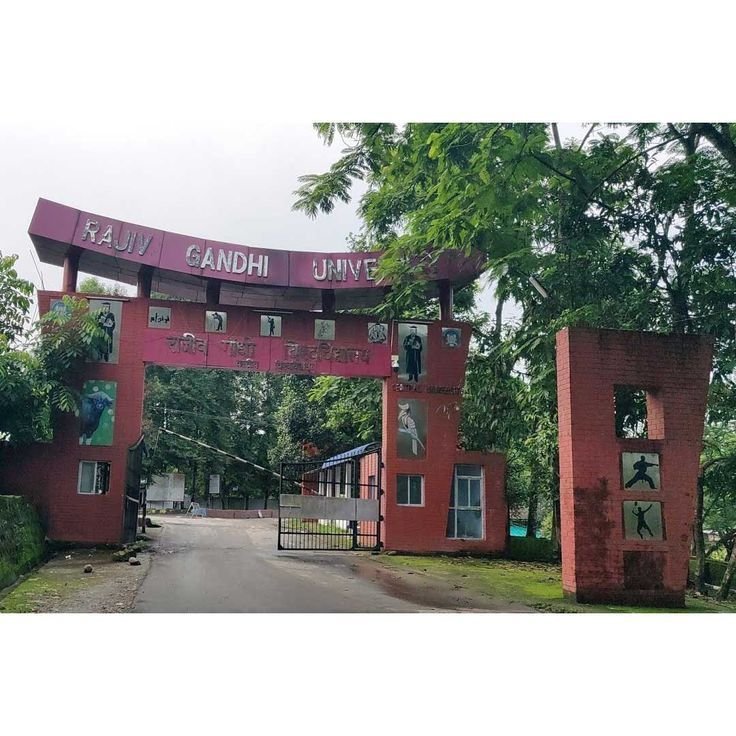
In a historic academic achievement, ten universities from Northeast India have secured spots in the IIRF 2025 rankings, with Rajiv Gandhi University (RGU) emerging as a standout at 13th position. Institutions like IIT Guwahati and Tripura University also made it into the top 50, firmly placing the region on India’s higher education map.
This rise in the Northeast universities ranking is a major milestone, reflecting the region’s growing impact on national education, research, and innovation.
What the IIRF 2025 Rankings Reveal
The Indian Institutional Ranking Framework (IIRF) evaluates universities across multiple parameters such as:
- Teaching and learning resources
- Research output
- Placement performance
- Industry linkages
- Social outreach and inclusivity
Published by Education Post and Maction Consulting, IIRF is among the most trusted private-ranking platforms in India.
The inclusion of Northeast institutions in the IIRF 2025 rankings highlights not only academic quality but also government and institutional efforts to bridge regional disparities.
Top Performers in Northeast Universities Ranking
🔹 Rajiv Gandhi University – 13th Position
Located in Arunachal Pradesh, RGU scored high on research citations, diversity, and academic delivery. It has become a regional academic hub with pan-India recognition.
🔹 IIT Guwahati – 19th Position
Consistently among India’s leading tech institutes, IIT Guwahati was noted for its innovation, infrastructure, and international collaborations.
🔹 Tripura University – 28th Position
Tripura University’s steady rise comes from curriculum modernization, digital learning platforms, and regional language inclusivity.
🔹 Other Ranked Universities:
- Tezpur University, Assam
- North-Eastern Hill University (NEHU), Meghalaya
- Mizoram University
- Manipur University
- Nagaland University
- Sikkim University
- Assam University, Silchar
These placements represent a collective leap forward in the Northeast universities ranking in 2025.
Why Northeast India Is Climbing the Rankings
Emphasis on Research and Development
Universities like RGU and IIT Guwahati have increased investments in research infrastructure, contributing to their improved scores in rankings.
Global Collaborations
Several Northeast institutions have partnered with universities in Europe, Southeast Asia, and the US, which helped enhance their global footprint.
Government Support and NEP 2020
The rise in the Northeast universities ranking aligns with the goals of India’s National Education Policy 2020, which emphasizes access, equity, and excellence.
Under the North East Special Infrastructure Development Scheme (NESIDS), campuses have been modernized with smart classrooms, labs, and digital libraries.
Regional Impact of Higher Rankings
The 2025 success story in the Northeast universities ranking isn’t just about prestige—it brings tangible benefits:
More Career Opportunities
Top rankings attract better placement drives, internships, and higher education tie-ups.
Boost to Local Economy
Higher rankings can increase student inflows from other regions, fueling demand for services and infrastructure in Northeast cities.
Visibility and Brand Value
Universities from remote areas like Itanagar, Aizawl, and Agartala are now seen as serious academic contenders on the national stage.
Visit RGU Official Website
Students, Partners & Policymakers—Take Note
Whether you’re:
- A student exploring higher education options
- An institution looking for academic collaboration
- A recruiter seeking emerging talent
- A policymaker interested in replicating this success elsewhere…
The time to engage with Northeast India’s top universities is now.
For admissions, research partnerships, or outreach programs, visit each institution’s official website or contact UGC Northeast Coordination Cell.
The Northeast Is Rising
The surge in the Northeast universities ranking reflects decades of effort, investment, and passion for education. From innovation hubs in Guwahati to research centers in Itanagar, the region has earned its seat at the national table.
As the academic spotlight shifts eastward, the region’s youth, institutions, and educators are ready to lead.