





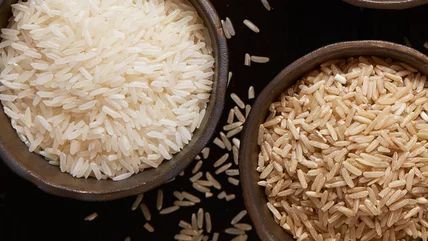
Rice is a dietary staple for over half of the global population, fueling millions of meals every day. Yet, when it comes to choosing between brown rice vs white, many people are unsure which is the healthier option. Both types of rice offer unique benefits, but they differ significantly in nutrition, taste, and impact on health.
This article explores the key differences between brown rice and white rice, their health benefits, and which one might be better suited for your lifestyle and dietary needs.
What Is Brown Rice and How Does It Differ from White Rice?
Brown Rice: The Whole Grain Champion
Brown rice is a whole grain that keeps the bran, germ, and endosperm intact. This minimal processing means it retains most of its natural nutrients and fiber. The bran layer gives brown rice its characteristic chewy texture and nutty flavor.
Some key nutrients in brown rice include:
- Fiber — promotes digestion and satiety
- Magnesium — important for muscle and nerve function
- Vitamin B complex — supports energy metabolism
- Phosphorus — aids bone health
Because brown rice retains these layers, it also contains beneficial antioxidants and healthy oils.
According to Harvard T.H. Chan School of Public Health, whole grains like brown rice can reduce the risk of heart disease and type 2 diabetes.
White Rice: The Refined Grain
White rice, on the other hand, undergoes milling and polishing processes that remove the bran and germ, leaving mostly the starchy endosperm. This process extends shelf life and results in a softer, more neutral-flavored grain.
However, white rice loses a significant portion of fiber, vitamins, and minerals in this refining process. To compensate, many countries fortify white rice with iron, folic acid, and other nutrients.
Nutritional Comparison: Brown Rice vs White Rice
| Nutrient (per cooked cup) | Brown Rice | White Rice |
|---|---|---|
| Calories | 215 | 205 |
| Fiber | 3.5 grams | 0.6 grams |
| Protein | 5 grams | 4 grams |
| Magnesium | 84 mg | 19 mg |
| Phosphorus | 150 mg | 68 mg |
| Glycemic Index | ~50 (low-medium) | ~73 (medium-high) |
Health Benefits of Brown Rice vs White Rice
Why Brown Rice Is Often the Healthier Choice
1. Improved Digestion and Gut Health
Brown rice’s high fiber content helps regulate bowel movements and feeds beneficial gut bacteria. Regular consumption can lower the risk of constipation and digestive disorders.
2. Supports Heart Health
Whole grains like brown rice are linked to reduced risks of heart disease. Fiber helps lower cholesterol, while magnesium aids in regulating blood pressure.
3. Better Blood Sugar Control
Brown rice’s lower glycemic index means it causes a slower, steadier rise in blood sugar, making it a better choice for people with diabetes or insulin resistance.
4. Weight Management
The fiber in brown rice promotes fullness, helping reduce overall calorie intake and supporting weight loss goals.
When White Rice Makes Sense
While brown rice holds many nutritional advantages, white rice has its own place:
- Easier to Digest: For individuals with sensitive stomachs or digestive illnesses, white rice is gentler and less likely to cause discomfort.
- Quick Energy Source: Athletes and active individuals sometimes prefer white rice for rapid energy replenishment post-workout.
- Cultural Preference: In many countries, white rice is a traditional staple and important culturally and economically.
- Fortification Benefits: In areas with nutrient deficiencies, fortified white rice can play a vital role in combating anemia and birth defects.
How to Incorporate Brown Rice and White Rice into Your Diet
Tips for Including Brown Rice
- Start Slow: Brown rice has a chewier texture and stronger taste. Begin by mixing it with white rice and gradually increase the ratio.
- Rinse Well: To reduce any bitterness or dust, rinse brown rice thoroughly before cooking.
- Cook Properly: Brown rice takes longer to cook (about 40-45 minutes) and requires more water. Use a rice cooker or stovetop method for best results.
White Rice Cooking Tips
- Rinse Until Water is Clear: This removes excess starch and prevents stickiness.
- Fortify Your Meal: Pair white rice with protein, fiber, and vegetables to balance its glycemic impact.
- Use for Quick Meals: White rice’s faster cooking time makes it ideal for quick dinners or meal prep.
Common Myths About Brown Rice and White Rice
Myth 1: Brown Rice Contains Arsenic — Avoid It!
While brown rice can accumulate more arsenic than white rice due to its bran layer, the risk is manageable by rinsing rice well, cooking it in excess water (which is then drained), and consuming rice as part of a balanced diet. Choose rice from trusted sources and vary your grains for safety.
Myth 2: White Rice Causes Diabetes
White rice is not inherently “bad” or a direct cause of diabetes. Portion control, balanced meals, and overall diet quality determine health outcomes far more than any single food.
What Do Experts Say About Brown Rice vs White Rice?
Nutritionists typically recommend brown rice as the better option for long-term health, particularly for those aiming to reduce heart disease and diabetes risks. However, they acknowledge white rice’s role in certain diets and cultural contexts.
Dr. Rujuta Diwekar, a leading Indian nutritionist, advises that mixing both types can provide variety without compromising nutrition.
Where to Buy and How to Choose Quality Rice
When buying brown rice or white rice, opt for whole-grain, organic, or minimally processed options to maximize benefits. Store rice in airtight containers in cool, dry places to preserve freshness.
READ MORE: Agricultural Crops in Northeast India: Key Farming Guide
Final Verdict: Brown Rice vs White — Which Should You Eat?
If you’re aiming for maximum health benefits, especially for heart and metabolic health, brown rice is generally the better choice. It’s richer in fiber, vitamins, and minerals.
If you have digestive issues or need a quick energy source, white rice can be a useful part of your diet—especially when balanced with proteins and veggies.