







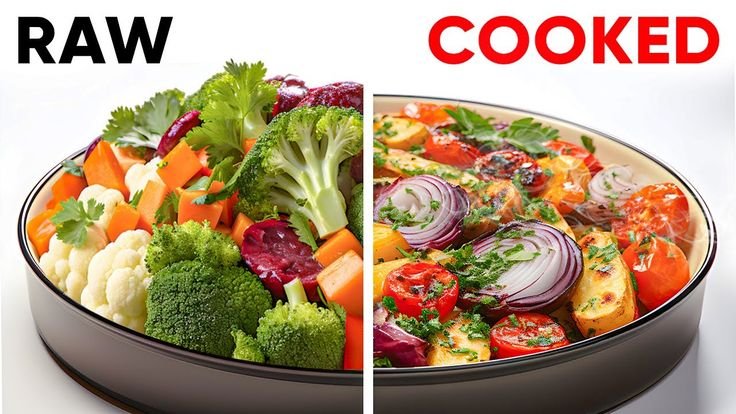
Is a crunchy carrot better for you raw, or does it pack more power after it’s steamed? Health-conscious eaters everywhere are asking: “Raw vs cooked veggies — which offers more nutrition?”
While raw vegetables have long been associated with clean eating and detox diets, cooked vegetables are making a comeback — especially for those concerned with nutrient absorption and digestion. But what does science actually say?
Let’s dig in.
The Nutritional Face-Off: Raw vs Cooked Veggies
Nutrient Retention Depends on the Veggie
One of the biggest concerns people have when cooking vegetables is the loss of nutrients. Water-soluble vitamins like vitamin C and B vitamins can degrade with heat. For example:
- Broccoli loses up to 50% of its vitamin C when boiled.
- Spinach can lose folate through extended cooking.
However, not all veggies suffer when cooked. In fact, some become more nutritious.
Cooking Boosts Bioavailability
Surprisingly, certain vegetables are more beneficial when cooked, because heat breaks down tough plant cell walls, allowing your body to absorb nutrients more easily. For example:
- Carrots: Cooking boosts levels of beta-carotene, which the body converts into vitamin A.
- Tomatoes: Heat increases the bioavailability of lycopene, a powerful antioxidant linked to heart health and cancer prevention.
- Spinach & Kale: Light cooking reduces oxalates, which can inhibit mineral absorption.
Pro Tip:
Instead of boiling, try steaming, roasting, or sautéing, which retain more nutrients and flavor.
Benefits of Eating Veggies Raw
Preserves Water-Soluble Vitamins
When eaten raw, vegetables maintain their natural vitamin C, folate, and enzymes — all of which are sensitive to heat. Veggies like bell peppers, cucumbers, and leafy greens are excellent raw choices.
Rich in Natural Enzymes
Raw vegetables also contain natural enzymes that help with digestion — though this benefit is sometimes overstated, as the body produces its own digestive enzymes too.
Great for Detox and Digestion
High in fiber and water, raw vegetables can support gut health and may be particularly useful in detox-style diets.
Why Cooking Has Its Benefits Too
Improved Antioxidant Absorption
Some of the most powerful antioxidants, like lutein, lycopene, and beta-carotene, are absorbed better after cooking. These nutrients help combat inflammation and oxidative stress, key contributors to chronic disease.
Easier to Digest
For people with sensitive stomachs or IBS, cooked vegetables are often gentler on the digestive system. Cooking softens fibers and reduces compounds like lectins and phytates that can be irritating or impair absorption.
So, Which Is Healthier — Raw or Cooked?
The Balanced Verdict
The best diet isn’t one or the other — it’s a mix of both.
- Eat raw: For hydration, fiber, and vitamin C (e.g., cucumbers, bell peppers, lettuce).
- Eat cooked: For enhanced antioxidant absorption and better digestion (e.g., carrots, tomatoes, spinach).
Variety is key. Each cooking method — roasting, steaming, grilling — brings out unique flavors and nutrient profiles.
Real Voices: What Nutritionists Are Saying
Registered Dietitian Melissa Greene, quoted in HealthLine, explains:
“Raw vegetables are amazing for hydration and certain nutrients, but cooking can actually increase the antioxidant potential of foods like carrots and tomatoes. It’s not about choosing one over the other — it’s about eating a rainbow and mixing it up.”
You can find similar expert takes from Harvard Health Publishing on the benefits of cooking vegetables.
How to Maximize Nutrients No Matter What
Here are a few actionable tips to get the most out of your veggies:
- Steam, don’t boil: This retains more nutrients than boiling.
- Use healthy fats: Cook with olive or avocado oil to aid in fat-soluble vitamin absorption.
- Chop just before use: Pre-cut veggies lose nutrients faster.
- Don’t overcook: Keep vegetables al dente to preserve texture and nutrients.
- Pair wisely: Tomatoes + olive oil = boosted lycopene absorption.
Sample Meals That Combine Raw and Cooked Veggies
Looking for practical ways to integrate both styles into your meals?
- Buddha Bowl: Combine raw carrots and cabbage with roasted sweet potatoes and sautéed kale.
- Wraps & Sandwiches: Add grilled zucchini or peppers with raw lettuce and sprouts.
- Smoothie + Soup Combo: Have a green smoothie with raw spinach and a warm bowl of veggie soup on the side.
Raw vs Cooked Isn’t a War — It’s a Partnership
It’s tempting to crown a winner in the “raw vs cooked veggies” debate, but the truth is: they both have their place in a healthy diet.
Instead of obsessing over method, focus on variety, color, and freshness. Whether raw or cooked, vegetables remain one of the most powerful tools for disease prevention, energy, and longevity.
READ MORE: Overrated Beauty Products in 2025: What to Avoid and Buy Instead

