


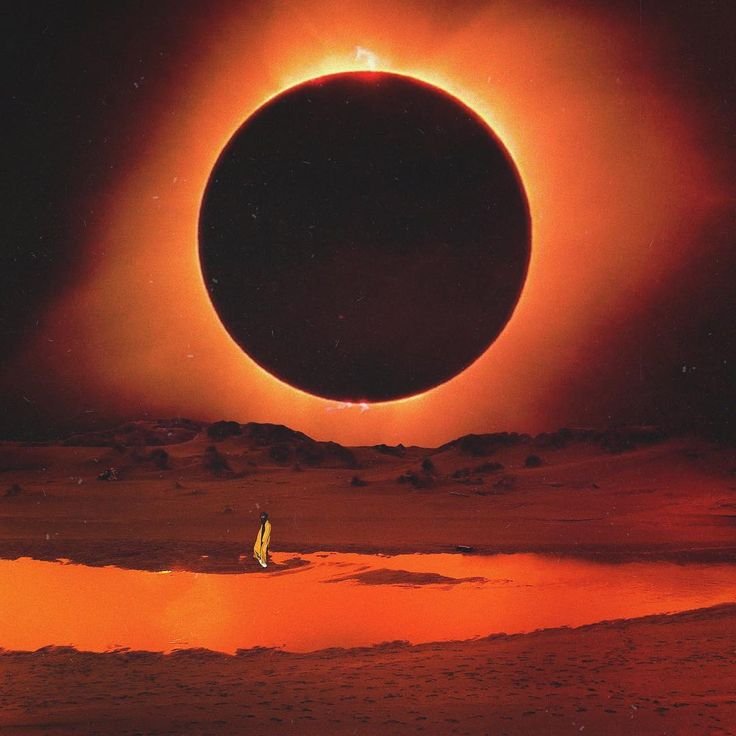
A Night of Celestial Wonder Awaits Stargazers
India is set to witness a stunning total lunar eclipse—popularly known as the Blood Moon 2025—on the night of September 7, offering a dramatic visual treat for astronomy lovers and skywatchers across the country.
The eclipse, which will be visible with the naked eye (weather permitting), will last approximately 5½ hours, beginning with the penumbral phase at 9:27 PM IST. The total eclipse or Blood Moon phase will occur from 11:00 PM to 12:22 AM, when the moon takes on a deep, reddish hue.
“This is one of the most anticipated celestial events of the year,” said Dr. Arvind Rao, Senior Astrophysicist at the Indian Institute of Astrophysics. “It’s a spectacular sight that you don’t need a telescope to enjoy.”
What is a Blood Moon?
Why the Moon Turns Red During a Total Lunar Eclipse
A Blood Moon occurs during a total lunar eclipse, when the Earth comes directly between the Sun and the Moon, casting its shadow over the lunar surface. As sunlight filters through Earth’s atmosphere, shorter blue wavelengths scatter, while the longer red wavelengths bend and fall on the Moon, giving it a coppery red appearance.
This phenomenon is completely safe to view with the naked eye and doesn’t require any protective gear, unlike solar eclipses.
Blood Moon 2025: Timings and Phases in India
Here’s a breakdown of the eclipse stages visible across most parts of India:
| Eclipse Phase | Time (IST) |
|---|---|
| Penumbral Eclipse Begins | 9:27 PM (Sep 7) |
| Partial Eclipse Begins | 10:30 PM |
| Total Eclipse Begins | 11:00 PM |
| Maximum Eclipse | 11:41 PM |
| Total Eclipse Ends | 12:22 AM (Sep 8) |
| Partial Eclipse Ends | 1:25 AM |
| Penumbral Ends | 2:55 AM |
While urban light pollution may affect visibility, those in rural or high-altitude areas will likely enjoy a clearer view.
Where Will the Blood Moon Be Visible?
A Pan-India Celestial Event
The Blood Moon 2025 will be visible across all parts of India, including:
- Delhi
- Mumbai
- Kolkata
- Bengaluru
- Chennai
- Guwahati
- Srinagar
- And remote areas of the Northeast, including Shillong and Aizawl
Clear skies are essential for best visibility. The India Meteorological Department (IMD) forecasts mostly clear conditions over central and northern India, while some cloud cover is expected in southern coastal areas.
How to Watch the Lunar Eclipse Safely
Tips for the Best Viewing Experience
Find a Dark Sky Location: Avoid city lights and tall buildings.
No Telescope Needed: Although binoculars enhance the view, the eclipse is fully visible with the naked eye.
Use a Tripod for Photos: If you’re capturing the Blood Moon with your camera, use a long exposure and tripod for best results.
Join a Local Event: Astronomy clubs across India are hosting public viewing events.
Cultural Significance of Lunar Eclipses in India
In Indian mythology, lunar eclipses are associated with the legend of Rahu and Ketu, two shadow planets believed to “swallow” the moon, causing it to disappear temporarily.
Many people observe rituals, including:
- Fasting
- Avoiding cooking or eating during the eclipse
- Performing prayers and meditation
Temples in cities like Varanasi, Ujjain, and Haridwar are expected to conduct special eclipse-related ceremonies.
Upcoming Celestial Events in 2025
If you miss this one, don’t worry! Here are other astronomical events to look forward to in 2025:
- Partial Solar Eclipse – October 29, 2025
- Perseid Meteor Shower – August 12–13, 2025
- Jupiter Opposition – November 16, 2025
Don’t Miss the Blood Moon 2025!
The Blood Moon 2025 is not just an astronomical spectacle—it’s a chance to pause and marvel at the wonders of the cosmos. Whether you’re an avid skywatcher or a curious observer, this total lunar eclipse promises to be an unforgettable night.
Don’t miss this rare celestial moment!
- Set a reminder for September 7, 9:27 PM
- Share this guide with friends and family
- Post your eclipse photos using #BloodMoon2025
- Join local astronomy groups for live events and commentary
READ MORE: Shilpa Shetty, Raj Kundra Face LOC in ₹60 Crore Fraud Case