





Introduction: Why Exfoliation Matters
The exfoliation best practices chemical vs physical exfoliation debate has become one of the most discussed topics in skincare. Exfoliation is the process of removing dead skin cells from the surface of the skin, revealing a brighter, smoother complexion. Done correctly, it can unclog pores, reduce acne, and improve the effectiveness of other skincare products. Done incorrectly, it can lead to irritation, redness, or long-term damage.
With so many products and techniques available, understanding the difference between chemical exfoliation and physical exfoliation is essential for building a safe and effective skincare routine.
What Is Exfoliation?
Exfoliation is a key step in skincare that helps maintain healthy-looking skin. Dermatologists emphasize that exfoliation not only improves texture but also enhances the absorption of moisturizers, serums, and sunscreens.
Benefits of Exfoliation
- Removes dead skin cells for a smoother complexion.
- Unclogs pores to prevent acne and blackheads.
- Boosts radiance by revealing fresh skin.
- Improves product absorption for better results.
- Reduces signs of aging like fine lines and dullness.
Physical Exfoliation Explained
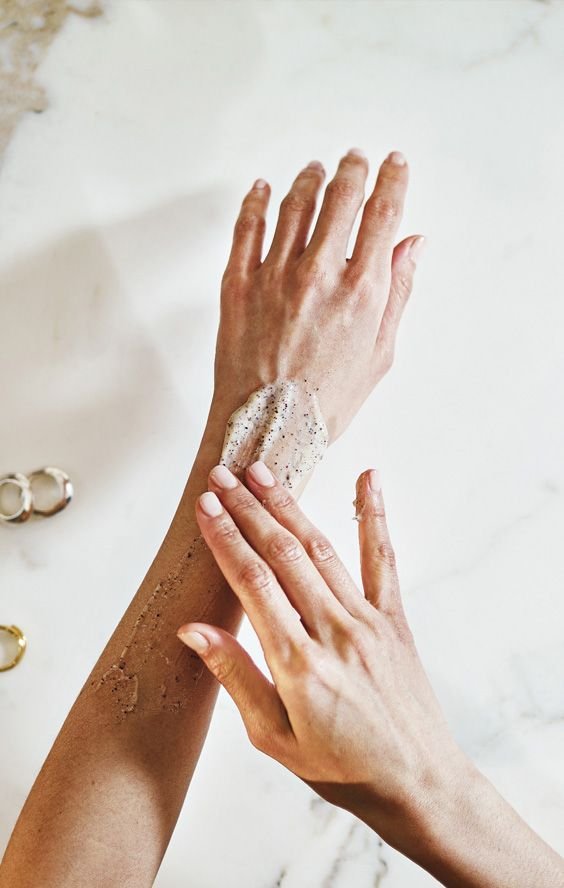
Physical exfoliation, also known as mechanical exfoliation, involves manually scrubbing the skin with tools or particles.
Common Physical Exfoliants
- Face scrubs with beads, sugar, or salt.
- Brushes and sponges designed for facial cleansing.
- Microdermabrasion tools used in professional settings.
Pros of Physical Exfoliation
- Instant results: Skin feels smoother immediately.
- Easy to use: Simple scrubs can be incorporated into routines.
- Affordable: Many DIY options exist.
Cons of Physical Exfoliation
- Risk of irritation: Harsh scrubs can cause micro-tears.
- Not suitable for sensitive skin.
- Overuse can damage skin barrier.
Chemical Exfoliation Explained
Chemical exfoliation uses acids or enzymes to dissolve dead skin cells rather than scrubbing them away.
Common Chemical Exfoliants
- Alpha Hydroxy Acids (AHAs): Glycolic acid, lactic acid.
- Beta Hydroxy Acids (BHAs): Salicylic acid, ideal for acne-prone skin.
- Polyhydroxy Acids (PHAs): Gentler acids for sensitive skin.
- Enzymes: Papaya or pineapple extracts.
Pros of Chemical Exfoliation
- Gentle yet effective: Works without scrubbing.
- Targets deeper issues: Helps with acne, pigmentation, and fine lines.
- Customizable strength: From mild toners to professional peels.
Cons of Chemical Exfoliation
- Requires caution: Overuse can cause burns or sensitivity.
- Sun sensitivity: Increases risk of UV damage.
- May be costly: Professional treatments are expensive.
Exfoliation Best Practices: Chemical vs Physical Exfoliation
Choosing the Right Method
- Sensitive skin: Opt for gentle chemical exfoliants like PHAs.
- Acne-prone skin: BHAs such as salicylic acid are effective.
- Dry skin: AHAs like lactic acid help hydrate while exfoliating.
- Normal skin: Occasional physical exfoliation can complement chemical methods.
Frequency of Exfoliation
- Physical exfoliation: 1–2 times per week.
- Chemical exfoliation: 2–3 times per week, depending on product strength.
Safety Tips
- Always patch test new products.
- Follow exfoliation with moisturizer and sunscreen.
- Avoid combining multiple strong exfoliants.
- Listen to your skin—redness or burning means stop.
Expert Insights
Dermatologists recommend tailoring exfoliation to individual skin types. According to skincare experts, chemical exfoliation is often more effective for long-term results, while physical exfoliation provides immediate gratification.
Build Your Routine Today
The exfoliation best practices chemical vs physical exfoliation debate doesn’t have a one-size-fits-all answer. The best method depends on your skin type, lifestyle, and goals.
Start by identifying your skin’s needs. Experiment with gentle chemical exfoliants or mild physical scrubs, but always prioritize safety. Pair exfoliation with hydration and sun protection for maximum benefits.
For more detailed skincare advice, explore trusted resources like Kiehl’s skincare guide and Skincare.com expert insights.
READ MORE: DIY Hacks for Organizing Small Spaces
Exfoliation is a powerful tool for achieving radiant, healthy skin. By understanding the differences between chemical exfoliation and physical exfoliation, you can make informed choices that suit your skin type. Remember: moderation, consistency, and protection are the keys to success.
With the right approach, exfoliation can transform your skincare routine, helping you achieve the glow you’ve always wanted.