





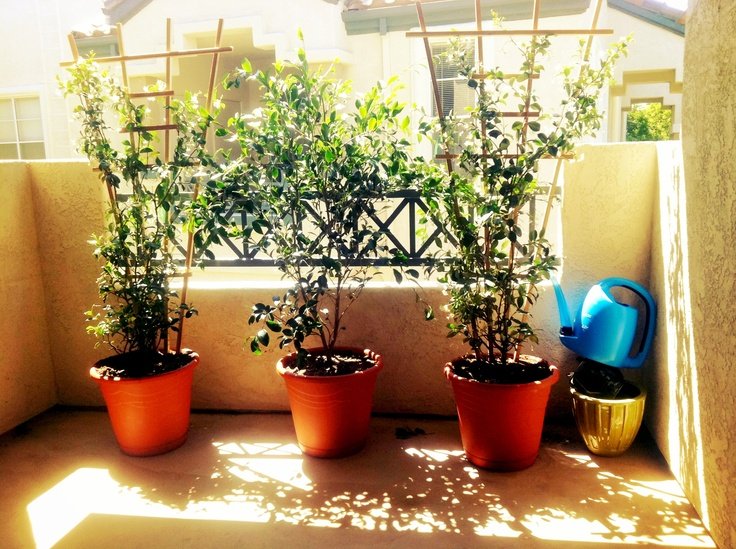
The allure of jasmine lies not just in its delicate white blossoms, but in its unforgettable fragrance. Whether you live in an apartment or have limited garden space, you can still enjoy this aromatic beauty by learning how to grow sweet-smelling jasmine in a pot.
With the right care and conditions, jasmine thrives in containers and fills your balcony, patio, or indoor space with its enchanting scent. Here’s a complete guide to help you grow a healthy potted jasmine plant that blooms beautifully.
Read More: 10 Foods That Harm Your Skin & 10 That Help It
Why Grow Jasmine in a Pot?
Growing jasmine in a pot has several advantages. It offers mobility, allowing you to move the plant indoors during winters or place it in the sunniest spot for maximum blooms. It also lets you control soil quality, drainage, and water levels.
Best Varieties for Potted Jasmine
Before diving into how to grow sweet-smelling jasmine in a pot, consider selecting the right variety. These are ideal for containers:
- Jasminum sambac (Arabian Jasmine): Compact and very fragrant. Great for indoors.
- Jasminum polyanthum: Popular vine-type with intense fragrance.
- Jasminum officinale (Common Jasmine): Produces large, white flowers in summer.
- Star Jasmine (Trachelospermum jasminoides): Not a true jasmine but grows well in pots.
Choose a variety based on your space, climate, and scent preference.
Choosing the Right Pot and Soil
Pot Size & Material
Use a 12–16 inch pot with good drainage holes. Terracotta pots are breathable and ideal for jasmine as they prevent root rot by absorbing excess moisture.
Soil Mix
Jasmine loves well-draining, loamy soil. Mix:
- 2 parts potting soil
- 1 part sand or perlite
- 1 part compost
This combination provides excellent drainage and nutrition.
Light Requirements for Jasmine
Light is one of the most important factors when learning how to grow sweet-smelling jasmine in a pot.
- Sunlight: Jasmine needs at least 4–6 hours of direct sunlight daily.
- Indoors: Place the pot near a south- or west-facing window.
- Outdoors: Balconies or patios with morning sunlight are ideal.
If you live in a colder region, bring the plant indoors in winter and provide artificial grow lights if necessary.
💧 Watering Jasmine in a Pot
Watering correctly is essential for jasmine to thrive.
- Frequency: Water when the top inch of soil feels dry.
- Method: Water thoroughly until it drains from the bottom. Avoid soggy soil.
- Humidity: Mist the leaves occasionally, especially during dry weather or if kept indoors.
Too much water causes root rot, while too little may lead to yellowing leaves and fewer flowers.
Feeding and Fertilizing Jasmine
For the sweetest blooms, jasmine needs regular feeding:
- Type: Use a balanced, water-soluble fertilizer (like 10-10-10) every 2–4 weeks during growing season (spring and summer).
- Organic Option: Compost tea or diluted fish emulsion also works well.
Stop fertilizing in late fall when the plant enters dormancy.
Pruning and Training for More Blooms
Proper pruning is key when understanding how to grow sweet-smelling jasmine in a pot.
- Timing: Prune right after flowering to encourage new growth.
- How: Cut back straggly stems and shape the plant. Remove dead or yellow leaves regularly.
- Training: Use a small trellis or support if growing a climbing variety. Pinch growing tips to make the plant bushier.
Pruning improves air circulation and redirects energy into blooming.
Temperature and Seasonal Care
Jasmine prefers warm temperatures but can tolerate mild cold.
- Ideal Range: 60–75°F (15–24°C)
- Winter Care: Bring the plant indoors or protect it from frost with a plant cover.
- Dormancy: Reduce watering and stop feeding in winter.
Jasmine may drop leaves in colder months but will regrow vigorously in spring.
Pest and Disease Management
Jasmine is relatively easy to care for but can attract:
- Aphids, spider mites, and mealybugs: Spray with neem oil or insecticidal soap.
- Fungal issues: Ensure good air circulation and avoid overwatering.
Regularly inspect leaves and stems to catch issues early.
How to Encourage Blooming
Jasmine’s intoxicating scent comes from its flowers, so encourage blooming by:
- Providing full sun
- Using high-phosphorus fertilizer during bud formation
- Pruning faded flowers
- Avoiding overwatering
If your plant isn’t blooming, it might need more light or a break from nitrogen-heavy fertilizers.
Propagating Jasmine from Cuttings
Want more jasmine plants? Propagate from stem cuttings:
- Cut a 4–6 inch healthy stem below a node.
- Dip the cut end in rooting hormone.
- Plant in a small pot with moist potting mix.
- Cover with a plastic bag to retain moisture.
- Place in indirect light until roots form in 4–6 weeks.
Propagation is a great way to expand your garden or share plants with friends.
Final Thoughts
Learning how to grow sweet-smelling jasmine in a pot offers a rewarding gardening experience. With a bit of care and patience, you’ll enjoy year-round greenery and seasonal waves of divine fragrance. The plant is perfect for balconies, patios, and even sunny windowsills.
Start small, choose the right variety, and stay consistent with care. Soon, your jasmine will not only enhance your home but also lift your spirits with its heavenly scent.