





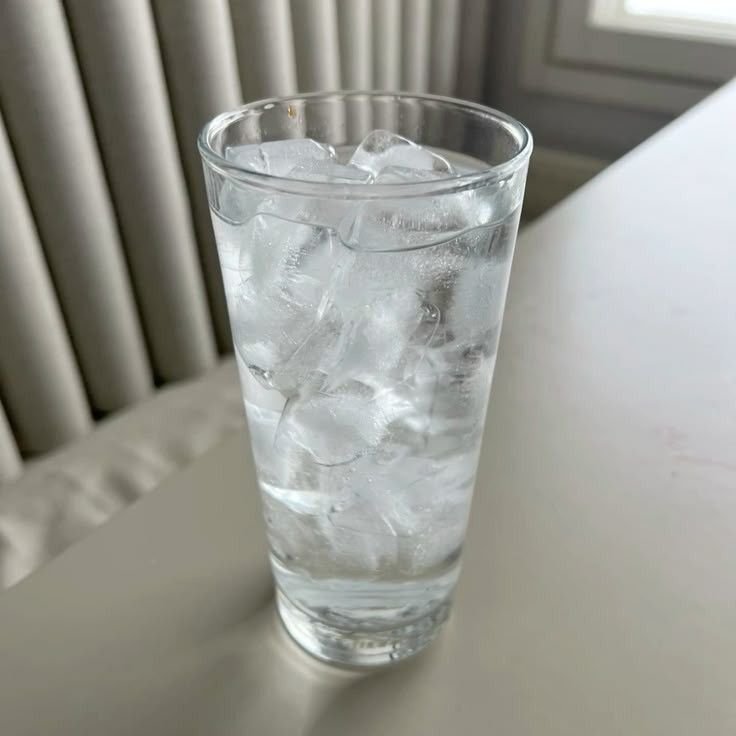
Water is essential for life. Every cell, tissue, and organ in our body needs water to function properly. Yet, many people overlook the importance of hydration and the benefits that come from drinking enough water daily. Staying hydrated is not just about quenching thirst—it plays a vital role in maintaining good health, boosting energy, supporting skin health, and helping your body perform its critical functions.
In this article, we will explore the importance of hydration, how much water you should drink, signs of dehydration, and practical tips to maintain optimal hydration.
What Is the Importance of Hydration in Body Functions?
Hydration refers to maintaining an adequate balance of fluids in the body. Water makes up about 60% of the human body and participates in almost every bodily process. Without proper hydration, these processes can falter, leading to various health problems.
Your body loses water daily through sweat, urine, breathing, and digestion. To replace these losses, you must drink enough fluids regularly. When you don’t, dehydration sets in, which can cause symptoms ranging from mild fatigue to severe complications.
Key Benefits Highlighting the Importance of Hydration
1. Supports Vital Bodily Functions
Water helps regulate body temperature through sweating and respiration. It also lubricates joints, cushions organs, and aids digestion by breaking down food and absorbing nutrients.
2. Boosts Energy and Brain Function
Even mild dehydration can impair concentration, memory, and mood. Drinking enough water keeps your brain alert and helps prevent headaches and fatigue.
3. Promotes Healthy Skin
Proper hydration improves skin elasticity, reduces dryness, and can give your skin a radiant glow. Water flushes out toxins and supports the repair of skin cells.
4. Aids Weight Management
Sometimes thirst is confused with hunger, leading to overeating. Drinking water before meals can help you feel fuller and reduce calorie intake.
5. Prevents Kidney Stones and Urinary Tract Infections
Water dilutes minerals and salts in urine, lowering the risk of kidney stones. It also helps flush bacteria from the urinary tract, preventing infections.
How Much Water Should You Drink Daily?
The amount of water you need depends on factors such as age, gender, activity level, climate, and overall health. The common recommendation is to drink about 8 glasses (64 ounces) of water a day, but this varies widely.
General Guidelines:
- Men: About 3.7 liters (125 ounces) of total water per day (including food and other beverages)
- Women: About 2.7 liters (91 ounces) of total water per day
You get about 20% of your water from food, so the rest should come from drinks. Active individuals, pregnant or breastfeeding women, and people in hot climates need more.
Signs and Symptoms of Dehydration
Recognizing dehydration early is important. Some common signs include:
- Dry mouth and throat
- Dark yellow urine or reduced urine output
- Fatigue and dizziness
- Headaches
- Dry skin and lips
- Rapid heartbeat or breathing
Severe dehydration can cause confusion, fainting, or even life-threatening complications, so seek medical help if symptoms worsen.
Tips to Stay Hydrated Throughout the Day
1. Carry a Water Bottle
Keep a reusable water bottle handy at all times. This serves as a reminder to sip regularly.
2. Drink Water Before Meals
Having a glass of water before eating not only aids digestion but also helps control appetite.
3. Infuse Your Water for Flavor
Add slices of lemon, cucumber, or mint to make your water more appealing.
4. Eat Water-Rich Foods
Fruits like watermelon, oranges, and strawberries and vegetables like cucumber and lettuce contribute to hydration.
5. Set Reminders
Use phone alarms or apps that remind you to drink water at regular intervals.
Myths About Hydration and Drinking Water
Myth 1: You Must Drink Exactly 8 Glasses a Day
Hydration needs vary. Listen to your body and adjust based on your lifestyle and environment.
Myth 2: Coffee and Tea Dehydrate You
While caffeine is a mild diuretic, moderate coffee or tea consumption still contributes to daily hydration.
Myth 3: Thirst Is the Only Indicator of Dehydration
Sometimes thirst signals come late. It’s better to sip water consistently rather than wait until you’re very thirsty.
The Role of Hydration in Exercise and Fitness
When you exercise, your body loses water faster. Dehydration can reduce physical performance and increase injury risk. It’s important to drink water:
- Before you start exercising
- During your workout, in small sips every 15-20 minutes
- After exercising to replenish lost fluids
Sports drinks can help during intense, prolonged workouts by providing electrolytes, but water works well for most activities.
Hydration and Special Populations
- Older Adults: They may have a reduced sense of thirst and should consciously increase water intake.
- Children: Need hydration but should avoid sugary drinks.
- Pregnant and Breastfeeding Women: Require more fluids to support fetal growth and milk production.
Make Hydration a Daily Priority
Understanding the importance of hydration is key to improving your health and wellbeing. Drinking enough water benefits your body in countless ways—from improving brain function to maintaining beautiful skin.
Make a habit of drinking water regularly, listening to your body’s needs, and incorporating water-rich foods into your diet. Staying hydrated isn’t just a health tip; it’s a foundation for a vibrant, energetic life.
READ MORE: 2025 Durand Cup Semi-Final: NorthEast United Advance