





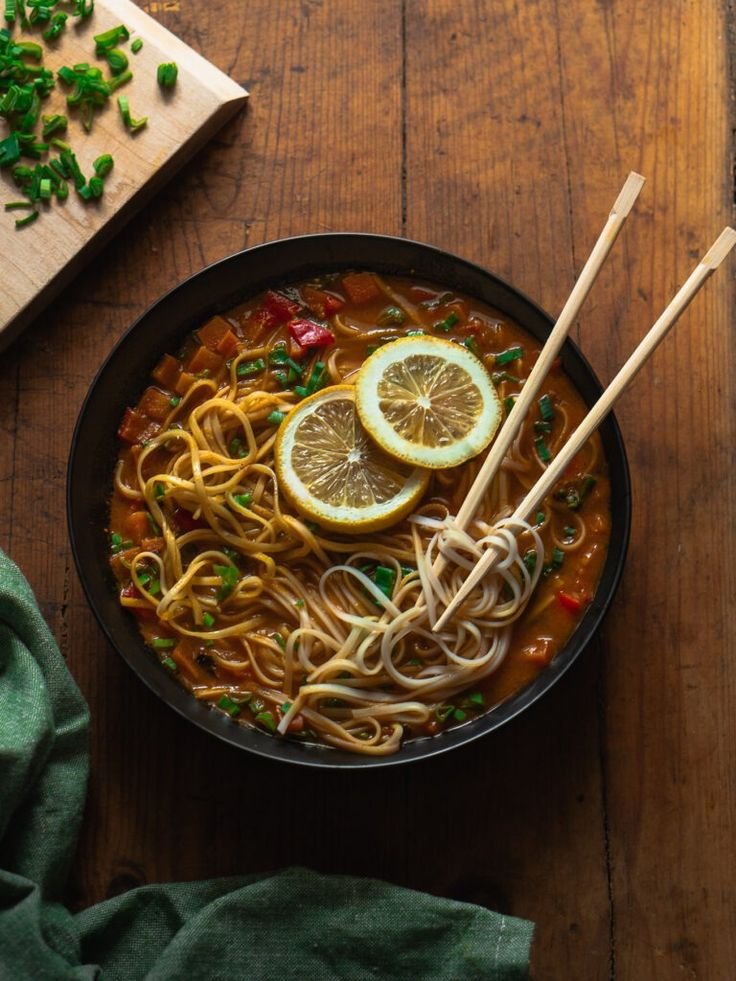
Northeast India’s unique cuisine offers a flavorful gateway into the region’s vibrant heritage. Each of its eight states—Assam, Arunachal Pradesh, Manipur, Meghalaya, Mizoram, Nagaland, Tripura, and Sikkim—boasts a distinct culinary tradition shaped by tribal lifestyles, natural resources, and seasonal rhythms. Unlike mainstream Indian cooking, these cuisines rely more on natural fermentation, smoking, and minimal use of oil and spices. This distinctive approach creates a healthy yet intensely flavorful food culture that is gaining recognition across India and beyond.
Northeast India’s Unique Cuisine and Cultural Identity
Food in Northeast India is more than sustenance—it’s a reflection of identity. Tribal communities pass down recipes and preparation methods through generations. For example, in Nagaland, smoked pork with bamboo shoots remains a staple that symbolizes both celebration and daily life. The Khasi people of Meghalaya continue to prepare Jadoh, a spiced rice and meat dish tied to ancestral rituals.
These recipes preserve stories, mark rites of passage, and bind communities. Across these states, food often carries spiritual significance, especially during festivals like Bihu in Assam and Chapchar Kut in Mizoram.
Key Ingredients That Define Northeast India’s Unique Cuisine
The cuisine of Northeast India is marked by its use of local ingredients. Rice, in various forms, is central to most meals. Alongside it, you’ll often find boiled vegetables, fresh herbs, fermented products, and lightly spiced meat or fish.
Fermented ingredients add depth and nutrition. Axone (fermented soybean from Nagaland), soibum (fermented bamboo shoot in Manipur), and berma (fermented fish in Tripura) are used widely. These age-old fermentation methods not only enrich flavor but also serve as natural preservatives, especially in the region’s humid climate.
Unlike many parts of India, Northeast Indian dishes rarely rely on ghee or heavy masalas. Instead, they use herbs like chameleon plant, ghost chili (bhut jolokia), and sichuan pepper, which lend sharpness and heat without overwhelming the palate.
Signature Dishes from the Eight Northeastern States
Each state offers signature dishes that showcase the depth of Northeast India’s unique cuisine.
In Assam, maasor tenga (sour fish curry) and khar (alkaline vegetable stew) stand out for their subtle flavors.
Nagaland is famous for smoked pork with axone, offering a fiery, fermented taste that’s unmistakably regional.
*Manipur’s eromba blends mashed vegetables with fermented fish and chillies, while morok metpa adds spice with chili paste and herbs.
Mizoram offers bai, a vegetable and meat stew flavored with fermented ingredients, which represents both simplicity and nutrition.
*Tripura’s mui borok diet includes berma, often cooked with vegetables or fish for a savory kick.
In Meghalaya, the Khasi and Garo communities enjoy dishes like Dohneiiong (pork with black sesame) and Tungrymbai (fermented soybeans sautéed with garlic and ginger).
Sikkim shares culinary traits with Nepal and Tibet. Phagshapa (pork fat with radish), gundruk (fermented leafy greens), and thukpa (noodle soup) are widely loved.
Arunachal Pradesh, home to many tribes, features dishes like thukpa, lapong (steamed meat), and smoked river fish wrapped in banana leaves.
Each dish carries flavors unique to the soil, water, and altitude of the region.
The Eco-Conscious Techniques in Northeast Indian Cooking
One of the most sustainable aspects of Northeast India’s unique cuisine is its eco-friendly cooking methods. Tribal communities often cook in bamboo tubes, steam food in leaves, and use earthen pots that conserve both nutrients and energy. Smoking and drying meat and fish over open fires allow preservation without refrigeration.
These time-tested techniques are not only sustainable but also ideal for a health-conscious audience. As organic lifestyles trend globally, Northeast India’s food ethos offers inspiration. Slow Food International has highlighted indigenous cooking practices from this region as models of sustainable food heritage.
Festival Foods and Culinary Traditions in the Northeast
Food plays a central role in regional festivals. During Hornbill Festival in Nagaland, tribes showcase their traditional dishes, offering visitors a feast of culture. Meghalaya’s Wangala Festival and Manipur’s Yaoshang also feature community feasts where rare dishes reappear.
These celebrations provide a perfect setting for tourists and locals to bond over food. They also serve as cultural preservation platforms, ensuring that recipes and techniques survive modernization. Websites like Incredible India often promote these events as must-visit culinary experiences.
A Growing National and Global Appetite
The demand for Northeast Indian dishes is rising. Cities like Delhi, Mumbai, and Bangalore now host restaurants that serve authentic meals from the region. Establishments such as Rosang Café and Dzukou Tribal Kitchen offer menus full of smoked pork, bamboo shoot stew, and rice beer.
Globally, chefs from the region are gaining recognition. Culinary influencers are spotlighting the health benefits and sustainable elements of these diets. From pop-up events in New York to tribal food festivals in Europe, the appeal is growing.
Media features in platforms like National Geographic and travel food shows have helped mainstream these once-niche cuisines.
How to Explore Northeast India’s Unique Cuisine
You don’t need to travel far to begin exploring the cuisine. Start by trying dishes like thukpa, momos, or jadoh at local eateries. For a deeper dive, visit northeastern restaurants or plan a food-focused tour to any of the region’s states.
Cooking videos, online tutorials, and recipe books featuring authentic ingredients can also help home cooks. If you’re planning a visit, align your trip with local food festivals to experience the full flavor of the culture.
READ MORE: Assam Crackdown on Illegal Migration Intensifies
Preserving a Culinary Treasure
Northeast India’s unique cuisine deserves recognition for more than just its taste. It reflects harmony with nature, respect for tradition, and the importance of food as a cultural symbol. As culinary trends move toward sustainability and authenticity, this regional cuisine is positioned to thrive.
To preserve this heritage, support local chefs, eat at indigenous restaurants, or share these recipes with friends. A simple meal can carry centuries of tradition.