





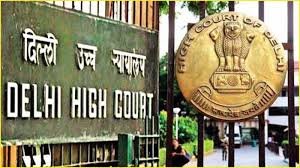
A Delhi court dismissed a defamation case filed over a report published by The Sentinel. Furthermore, the ruling upheld press freedom and relieved the defendants of legal liability.
Dimapur Job Fair in Nagaland: 6,456 Openings Available
Court Dismisses Defamation Case
The case emerged after The Sentinel published an article that the plaintiff claimed defamed a public figure from Arunachal Pradesh. However, the Delhi court ruled in favor of the defendants, stating that the article qualified as fair reporting and did not constitute defamation under Indian law.
Moreover, legal experts noted that the decision reinforces protections for media outlets reporting on matters of public interest. Consequently, journalists can report confidently without fear of frivolous lawsuits.
Manipur Militants Arrested in Major Border Haul
Ruling Highlights Press Freedom
During the hearing, the court emphasized that freedom of speech and expression, including the right to publish news, is a fundamental right under the Constitution of India. Additionally, the court stated that journalism plays a vital role in keeping the public informed, and legal actions should not chill legitimate reporting.
“The court’s decision strengthens press freedom in India,” said a legal expert. Furthermore, it sends a clear message against filing frivolous defamation suits to suppress media coverage.
Pradyot TTAADC Polls Allegation: ‘Administration’s Target Is Me’
Implications for Media and Public Figures
The ruling encourages media organizations to continue reporting on matters of public interest without fear of legal harassment. Moreover, it reminds public figures to approach defamation allegations carefully while respecting journalistic rights.
Legal analysts stated that such cases often test the balance between protecting reputations and ensuring freedom of the press. Ultimately, the verdict strengthens both media accountability and constitutional protections.
Tripura Budget Criticism 2026: Opposition Calls It “Directionless”
FAQs
Q1: What was the case about?
A1: A defamation suit was filed over a Sentinel report that allegedly harmed a public figure’s reputation in Arunachal Pradesh.
Q2: What did the court decide?
A2: The Delhi court dismissed the case, ruling that the article did not constitute defamation.
Q3: Who benefits from this ruling?
A3: Media organizations and journalists benefit because it upholds press freedom and allows reporting on public matters safely.
Q4: Does this affect defamation laws in India?
A4: The ruling reinforces existing defamation laws while protecting legitimate journalism in the public interest.
Q5: What is the broader significance?
A5: The verdict upholds press freedom and discourages frivolous lawsuits aimed at suppressing reporting.