



Arunachal Pradesh leaders have welcomed the recently announced next-gen GST reform, calling it a transformative step aligned with Prime Minister Narendra Modi’s vision for economic growth. The reform, hailed as historic, is expected to simplify tax structures, boost business opportunities, and enhance state revenue.
Reform in line with PM Modi’s vision
During discussions held across party lines, lawmakers and stakeholders described the next-gen GST reform as a move that resonates with PM Modi’s agenda of building a self-reliant India. They emphasized that the reform will empower both small traders and large businesses by removing complexities in tax compliance.
Read More: PM’s Manipur Visit Sparks Speculation Amid Security Preparations
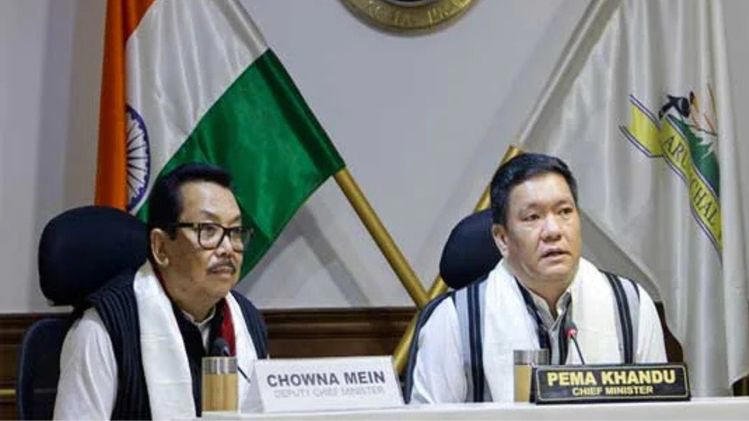
Chief Minister Pema Khandu noted that the reform ensures greater transparency and accountability in the taxation system. According to him, Arunachal Pradesh will benefit from a streamlined process that encourages digital transactions and strengthens local economies.
Why next-gen GST reform matters for Arunachal
The next-gen GST reform is considered a milestone because it introduces simplified filing, technology-driven compliance, and real-time monitoring of transactions. These changes are expected to reduce tax evasion and widen the revenue base, giving Arunachal Pradesh additional fiscal space for development projects.
Local entrepreneurs, particularly from the MSME sector, have also welcomed the change. They believe that fewer hurdles in filing returns will free up time and resources, allowing them to focus on scaling their businesses. This is vital in a state where entrepreneurship and small-scale industries form the backbone of the economy.
Focus on inclusive development
Leaders highlighted that the next-gen GST reform complements Arunachal Pradesh’s broader vision of inclusive development. With better revenue inflows, the government can invest more in infrastructure, healthcare, and education. Officials stressed that fair tax collection will directly translate into welfare programs that benefit marginalized communities.
At a recent public address, Deputy Chief Minister Chowna Mein underlined that inclusive development is only possible when fiscal reforms are strong and transparent. He remarked that this reform represents an alignment of national and state goals.
Bridging the gap for border economies
Arunachal Pradesh, being a border state, faces unique economic challenges. Leaders believe that the next-gen GST reform can address some of these concerns by encouraging legitimate trade and discouraging informal markets.
Business leaders suggested that easier tax procedures will make cross-border and inter-state trade smoother. This could strengthen Arunachal Pradesh’s role as a gateway to Southeast Asia in India’s Act East Policy.
Political unity on economic priorities
What stood out during the discussions was the rare political unity on the significance of the next-gen GST reform. Both ruling and opposition members agreed that the reform holds promise for economic transformation.
Leaders across the spectrum appealed to entrepreneurs, traders, and citizens to adapt quickly to the new system. They urged local chambers of commerce to organize awareness campaigns and workshops so that businesses can fully leverage the benefits.
Digital boost for transparency
One of the hallmarks of the next-gen GST reform is its digital-first approach. By integrating advanced technology into tax administration, the reform ensures transparency and minimizes corruption.
In Arunachal Pradesh, where digital infrastructure is gradually expanding, this reform could accelerate adoption of e-governance systems. Leaders expressed confidence that such advancements will build trust among businesses and citizens alike.
PM Modi’s long-term vision for reform
Prime Minister Modi has consistently emphasized reforms that combine growth with inclusivity. The next-gen GST reform is being hailed as part of this larger blueprint. According to Arunachal leaders, the reform is not just about revenue but about creating an ecosystem where ease of doing business translates into social welfare.
They added that when fiscal reforms align with a strong vision, the impact reaches every corner of the state. Whether it is funding for rural roads, healthcare centers, or digital learning, the benefits of effective tax collection will ultimately uplift communities.
Looking ahead
Arunachal Pradesh leaders expressed optimism that the next-gen GST reform will act as a catalyst for economic transformation. They pledged full support in ensuring its smooth implementation across the state.
Stakeholders are already working on awareness drives to train local traders and small businesses in adapting to the new system. Officials believe that a proactive approach will ensure the reform’s success and long-term benefits.
In addition, the next-gen GST reform has been hailed by Arunachal leaders as a landmark step toward realizing PM Modi’s vision of a stronger, more inclusive economy. As the state prepares for a new chapter in fiscal management, the reform is seen as a bridge that connects national ambitions with local aspirations.
Read More: GST Cut on Cancer Drugs to Make Treatment Affordable