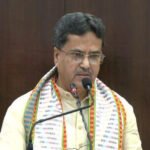






Arunachal Pradesh has launched the Swachhata Hi Seva 2025 Arunachal campaign with a massive statewide cleanliness drive. Chief Minister Pema Khandu and his cabinet joined thousands of citizens in sweeping streets, cleaning public spaces, and spreading awareness about sanitation. The campaign aligns with the central government’s Swachh Bharat Abhiyan and aims to build a cleaner, healthier state.
Read More: iOS 26 Update and iPhone Battery Life: What Apple Says
Statewide participation in the launch
The official launch took place in Itanagar with large participation from students, local communities, and officials. Chief Minister Khandu encouraged every citizen to take ownership of their surroundings. He highlighted that cleanliness is not only about public health but also about respect for the environment.
Ministers, MLAs, and government employees also joined the initiative in their constituencies. District administrations organized rallies and cleanliness drives across remote regions, ensuring the campaign reached villages as well as towns.
Focus on health and sanitation benefits
The Swachhata Hi Seva 2025 Arunachal campaign stresses the direct link between hygiene and public health. Poor sanitation often leads to waterborne diseases, which remain a challenge in rural areas. The government aims to reduce such risks through better waste management and regular cleaning of public spaces.
Officials announced that special teams will monitor sanitation in markets, schools, and hospitals. Awareness drives will educate people about proper waste disposal, hand hygiene, and the importance of clean drinking water. The campaign also promotes the use of household toilets to curb open defecation.
Engaging youth and schools in Swachhata Hi Seva 2025 Arunachal
One of the campaign’s strengths lies in youth engagement. Schools and colleges have been asked to take part in activities such as essay competitions, cleanliness rallies, and art exhibitions on the theme of hygiene. Teachers are encouraging students to act as ambassadors of cleanliness in their homes and neighborhoods.
Chief Minister Khandu emphasized that behavioral change must start from a young age. He explained that when students practice cleanliness in schools, they naturally carry the habit into their communities. In this way, the program builds a long-term culture of hygiene.
Role of Panchayats and local bodies
Panchayats and municipal councils hold an important role in implementing Swachhata Hi Seva 2025 Arunachal. Local leaders are expected to mobilize volunteers and ensure proper waste collection systems are in place. The government has directed panchayats to work closely with district administrations for sustainable results.
Waste segregation is a key focus. Villages are being encouraged to separate biodegradable and non-biodegradable waste at the household level. Pilot projects for composting organic waste have already started in several districts. These efforts will reduce landfill pressure and promote eco-friendly practices.
Women’s groups and self-help collectives
Women’s groups and self-help collectives are actively joining the drive. Many have taken responsibility for maintaining cleanliness in community spaces. They are also spreading awareness about menstrual hygiene, safe disposal of sanitary products, and personal care.
By involving women in decision-making, the government ensures that sanitation programs reach households effectively. Several NGOs are also collaborating with women’s groups to provide training on waste recycling and sustainable household practices.
Public participation through cultural integration
To make the movement resonate with local culture, the campaign integrates traditional values and festivals. In many regions, cultural programs and folk performances are being used to promote cleanliness messages. Leaders believe that combining awareness with cultural pride will help communities adopt the campaign more naturally.
Artists, youth icons, and local influencers are also being roped in to motivate citizens. Their participation gives the campaign a relatable face, encouraging more people to join hands.
Long-term goals beyond 2025
Although the current focus is on the Swachhata Hi Seva 2025 Arunachal campaign, the government has set long-term sanitation goals. Plans include modern waste treatment plants, plastic recycling units, and digital monitoring systems for urban areas. Villages will receive additional funding to sustain toilet construction and water supply programs.
The Chief Minister stated that Arunachal must not treat this as a one-time event. Instead, it should evolve into a way of life. He urged citizens to see cleanliness as an everyday responsibility rather than a yearly campaign.
Collaboration with central programs
The initiative ties directly with national missions such as Swachh Bharat Abhiyan and Jal Jeevan Mission. Union ministries are providing technical and financial support to Arunachal Pradesh. By aligning with these larger frameworks, the state ensures that its programs remain sustainable and benefit from best practices across India.
The state government also plans to share its progress with other northeastern states, encouraging regional cooperation in sanitation. Officials believe that collective progress will bring long-term health and environmental benefits to the entire region.
Community response to the drive
Residents across Arunachal have responded positively to the cleanliness campaign. Many communities have already pledged to continue cleaning drives on weekends. Social media campaigns with photos and videos of citizens participating have also gone viral, amplifying the message to wider audiences.
Citizens have expressed pride in joining the movement, seeing it as a step toward building a more beautiful and healthy state. Several student groups have committed to keeping their hostels, classrooms, and playgrounds clean even after the campaign ends.
Read More: Nagaland CM Launches ELEMENT Project to Restore Forests