





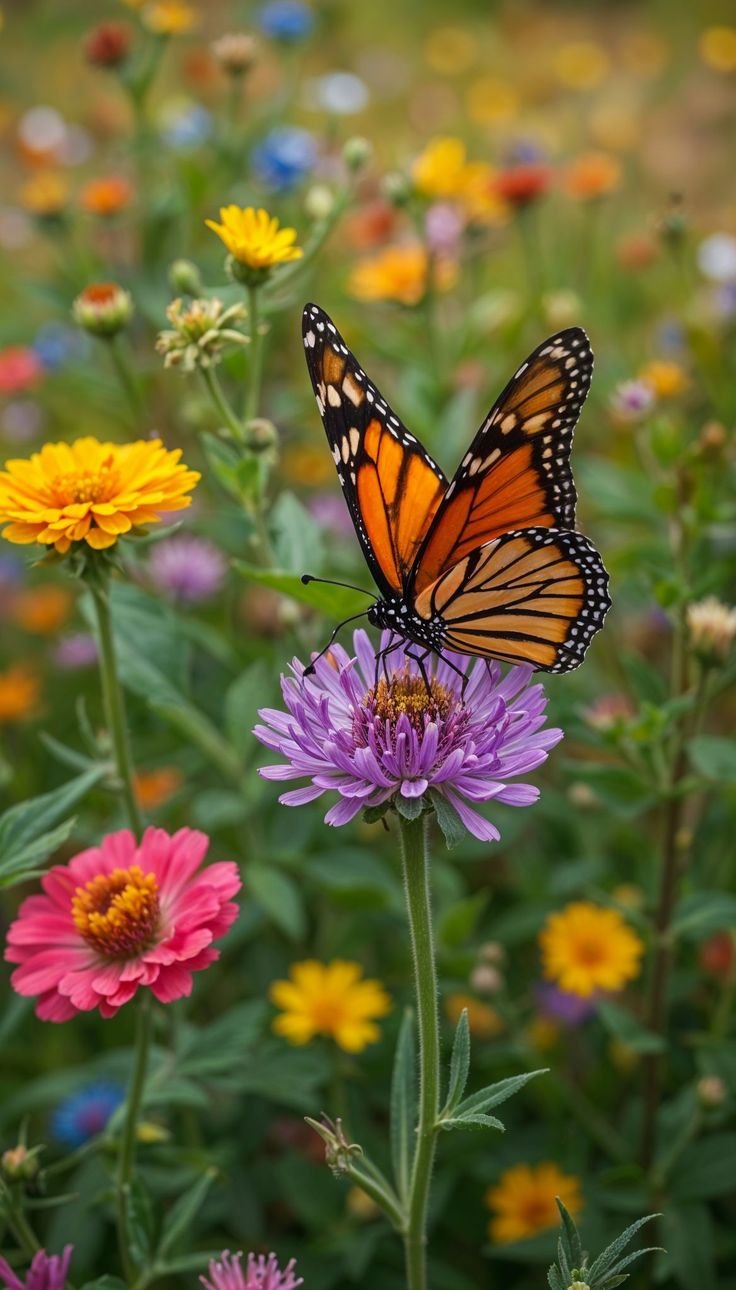
On August 24, 2025, Assam proudly hosted its first-ever Butterfly Walk at the Dulung Reserve Forest located in the Golaghat district. The event was a huge success, recording the presence of more than 70 butterfly species. Among them were rare and striking butterflies like the white dragontail and the Thai cruiser. This remarkable diversity highlights Assam’s importance as a biodiversity hotspot in Northeast India.
The walk was organized as a collaborative effort by the Assam Forest Department, local environmental NGOs, and several educational institutions. Its purpose was not only to document butterfly diversity but also to raise awareness about biodiversity, promote ecological education, and foster a culture of conservation in the region.
Discovering Biodiversity in Dulung Forest
The Dulung Reserve Forest, located near the Kaziranga landscape, offers rich biodiversity. Its lush habitat supports insects, birds, reptiles, and mammals. The Butterfly Walk proved this further by documenting a wide variety of butterfly species.
Notably, experts and nature lovers spotted:
- White Dragontail (Lamproptera curius)
- Thai Cruiser (Vindula erota)
- Common Nawab, Blue Mormon, and Great Eggfly
- Several species of Tigers and Crows (from the Danaid group)
The Dulung Reserve’s thriving butterfly population acts as a clear indicator of the forest’s health. Butterflies require a balanced ecosystem to flourish, which makes their abundance here a hopeful sign for conservationists.
Students Lead the Way in Conservation
The Butterfly Walk wasn’t just about spotting insects. It was also an educational experience for young minds.
Students from local schools participated in the event, guided by forest experts and ecologists. They learned how to identify species, use field guides, and understand butterflies’ ecological roles.
“When students experience nature directly, they form a deeper bond with it,” said Dr. Ranjan Deka, one of the lead ecologists.
The walk ended with a hands-on workshop. It covered butterfly lifecycles, threats from habitat loss, and how these insects act as ecosystem indicators.
Why Dulung Forest Is Crucial
Dulung lies near the Kaziranga–Karbi Anglong wildlife corridor, a region rich in species diversity. Yet, insect life here often goes unrecorded. The Butterfly Walk helped change that.
Butterflies act as early warning signs of environmental change. Their presence (or absence) tells us a lot about forest health. Monitoring them can alert us to deforestation, pollution, or climate shifts.
The Butterfly Walk has, therefore, laid the groundwork for more extensive biodiversity monitoring programs in the area. It encourages researchers and citizen scientists alike to take part in ongoing ecological studies.
From One Walk to Long-Term Change
Thanks to the success of this event, organizers are planning monthly butterfly walks. These future programs aim to involve even more youth, tourists, and researchers.
Local leaders are also considering setting up:
- A Butterfly Garden or Interpretation Center
- Year-round citizen science drives
- Eco-tourism models led by trained locals
Such efforts could not only protect biodiversity but also support rural livelihoods through responsible tourism.
To help, the Assam Forest Department is reviewing proposals for better trails, signage, and field research stations in Dulung.
READ MORE: 5 Best Juices for Hair Growth: Amla to Beetroot Drinks
The Butterfly Walk at Dulung Reserve Forest was more than a scientific survey; it was a powerful reminder of nature’s beauty and fragility. Over 70 butterfly species documented, including rare ones, showcase the rich biodiversity of Assam’s forests. The enthusiastic involvement of students and local communities highlights the growing commitment toward environmental stewardship.
Events like these prove that conservation begins with awareness and education. By walking through Dulung’s trails and witnessing its winged jewels firsthand, people gain the inspiration needed to protect our natural world.
Want to see these butterflies yourself?
Plan your visit to Dulung Reserve Forest. Bring your camera, your curiosity, and your love for nature — and be part of Assam’s growing conservation story.