




The CBI Arrests NHAI Official development has drawn significant attention after the Central Bureau of Investigation (CBI) arrested a senior National Highways Authority of India (NHAI) official in Shillong over an alleged ₹12 lakh bribery case. Moreover, the arrest forms part of the agency’s anti-corruption efforts targeting public officials accused of accepting illegal gratification. Consequently, the case has renewed focus on transparency, accountability, and integrity in public infrastructure administration.
Kra Daadi Development Fund Case to Face Transparent Anti-Corruption
CBI Arrests NHAI Official in Shillong During Anti-Corruption Operation
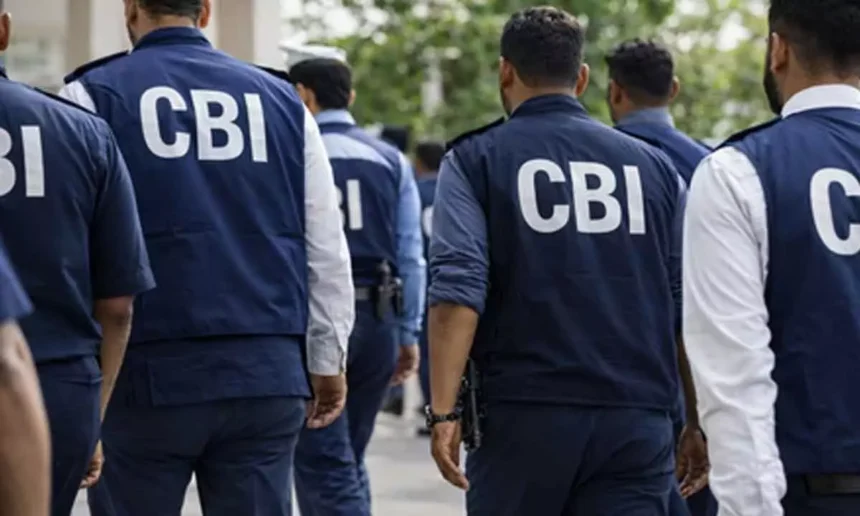
The CBI Arrests NHAI Official case emerged after the Central Bureau of Investigation conducted an operation in Shillong, leading to the arrest of a senior National Highways Authority of India (NHAI) official. Furthermore, the agency alleged that the official accepted a bribe of ₹12 lakh.
The CBI is India’s premier investigative agency responsible for probing corruption cases involving central government employees and public sector officials. Consequently, investigations of this nature are carried out under established legal procedures.
Moreover, the arrest reflects the agency’s continued efforts to address allegations of corruption in public administration. Therefore, the case has attracted attention due to the official’s position within a key infrastructure organization.
Additionally, the investigation is expected to proceed in accordance with applicable legal provisions. Thus, further developments will depend on the outcome of the investigation and judicial process.
Alleged ₹12 Lakh Bribery Case Under Investigation
The CBI Arrests NHAI Official case centers on allegations that the senior official accepted illegal gratification amounting to ₹12 lakh. Furthermore, the CBI has initiated legal proceedings as part of its investigation into the matter.
Bribery allegations involving public officials are investigated under anti-corruption laws and require the collection of evidence before prosecution. Consequently, investigative agencies follow statutory procedures while examining such cases.
Moreover, due process remains an essential component of every criminal investigation. Therefore, the allegations will be examined through the legal system before any determination of guilt.
Similarly, investigative agencies continue gathering evidence, recording statements, and completing procedural formalities. Additionally, judicial oversight ensures that the investigation proceeds in accordance with the law.
Anti-Corruption Enforcement Strengthens Public Accountability
The CBI Arrests NHAI Official development highlights the importance of anti-corruption enforcement in maintaining transparency within public institutions. Furthermore, accountability mechanisms play a critical role in strengthening public confidence in government administration.
Investigative agencies regularly examine complaints relating to alleged corruption involving public servants. Consequently, enforcement actions contribute to institutional oversight and legal accountability.
Moreover, transparent investigations help reinforce public trust in governance and administrative systems. Therefore, anti-corruption measures remain an important aspect of institutional integrity.
Similarly, adherence to legal procedures protects both the investigative process and the rights of those involved. Additionally, independent investigations help ensure fairness and credibility in public administration.
Case Highlights Importance of Transparency in Infrastructure Projects
The CBI Arrests NHAI Official case has also brought attention to governance standards within infrastructure development agencies. Furthermore, organizations responsible for major public projects are expected to maintain high standards of transparency and accountability.
Infrastructure projects involve significant public investment and require robust oversight mechanisms. Consequently, allegations of corruption receive close scrutiny from investigative authorities.
Moreover, effective institutional safeguards help reduce opportunities for misconduct and strengthen public confidence. Therefore, continued vigilance remains essential for maintaining integrity in public works.
Similarly, regular audits, compliance mechanisms, and legal enforcement support transparent project implementation. Additionally, accountability measures contribute to efficient governance and responsible use of public resources.
Conclusion
The CBI Arrests NHAI Official case marks an important anti-corruption development following the arrest of a senior National Highways Authority of India official in Shillong over an alleged ₹12 lakh bribery case. Moreover, the investigation reflects the CBI’s continued efforts to address allegations of corruption within public institutions.
Furthermore, the matter will proceed through the legal process, with investigative agencies expected to complete their inquiry in accordance with applicable laws. Consequently, the outcome of the case will depend on the evidence presented during the judicial proceedings.
Looking ahead, transparent investigations, institutional accountability, and adherence to due process will remain essential for strengthening public confidence in governance. Therefore, the CBI Arrests NHAI Official case underscores the importance of integrity and accountability in public administration.
FAQs
1. What happened in the CBI Arrests NHAI Official case?
The CBI arrested a senior National Highways Authority of India (NHAI) official in Shillong over allegations of accepting a ₹12 lakh bribe.
2. Which agency conducted the arrest?
The Central Bureau of Investigation (CBI) carried out the anti-corruption operation.
3. Where did the alleged bribery case take place?
The arrest was made in Shillong, Meghalaya.
4. Has the official been convicted?
No. The individual has been arrested, and the allegations remain under investigation. The case will proceed through the judicial process, where guilt or innocence will be determined.
5. Why is the CBI Arrests NHAI Official case significant?
The case highlights ongoing anti-corruption efforts, reinforces the importance of transparency in public administration, and emphasizes the need for due process in investigating allegations of bribery.