







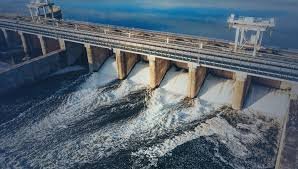
Arunachal Pradesh has recorded a major financial boost with the latest Arunachal hydropower revenue surge. The state has reported a significant increase in revenue following the commissioning of several small-scale hydropower projects. Notably, these projects have enhanced both energy generation and economic returns. Therefore, the development highlights the growing importance of renewable energy in the region.
Sikkim Rail Link Milestone: Historic Breakthrough Nears National Connectivity
Rise in State Revenue
The commissioning of new hydropower units has led to a noticeable increase in state income. Authorities have confirmed that these projects contribute steadily to revenue through power generation and distribution. Moreover, improved efficiency has further strengthened earnings.
This Arunachal hydropower revenue surge reflects effective utilization of natural resources. As a result, the state has enhanced its financial stability.
Digital Connectivity Leap: Powerful 5G Expansion Transforms Remote Villages
Focus on Small-Scale Hydro Projects
The government has prioritized small-scale hydropower projects due to their sustainability and lower environmental impact. These projects require less land and cause minimal ecological disruption compared to large dams. Additionally, they can be implemented more quickly.
Through this Arunachal hydropower revenue surge, the state demonstrates the value of decentralized energy production. Consequently, small hydro projects have become a key component of energy strategy.
Boost to Energy Capacity
The new projects have increased overall power generation capacity in the state. This additional energy supports local consumption and contributes to regional supply. Furthermore, reliable electricity strengthens infrastructure and development activities.
This Arunachal hydropower revenue surge enhances energy security. Moreover, it ensures consistent power availability for both urban and rural areas.
Economic and Development Impact
Higher revenue from hydropower directly supports development initiatives. The state can invest in infrastructure, education, and healthcare using these funds. Additionally, energy projects create employment opportunities during construction and operation.
This Arunachal hydropower revenue surge contributes to economic growth. As a result, it improves the overall standard of living in the region.
Environmental Advantages
Hydropower serves as a clean and renewable energy source. Small-scale projects reduce carbon emissions and support sustainability goals. Furthermore, they align with India’s commitment to green energy.
This Arunachal hydropower revenue surge highlights environmentally responsible development. Consequently, the state can balance economic growth with ecological protection.
Challenges and Future Plans
Despite the success, challenges such as maintenance, seasonal water availability, and infrastructure development remain. However, authorities continue to plan new projects and upgrades. Additionally, improved technology can enhance efficiency.
This Arunachal hydropower revenue surge sets the stage for future expansion. Therefore, continued investment will drive further growth in the sector.
Conclusion
The Arunachal hydropower revenue surge marks a significant achievement in the state’s development journey. With increased income and improved energy capacity, the region has strengthened its economic foundation. Although challenges exist, the focus on sustainable projects ensures long-term benefits. Ultimately, this Arunachal hydropower revenue surge highlights the potential of renewable energy in driving growth.
FAQs
1. What is the Arunachal hydropower revenue surge?
It refers to the increase in state revenue due to new small-scale hydropower projects.
2. Why are small hydropower projects important?
They offer sustainable energy with lower environmental impact and faster implementation.
3. How does this impact the state economy?
It boosts income, supports development projects, and creates employment opportunities.
4. Is hydropower environmentally friendly?
Yes, it is a renewable energy source that reduces carbon emissions.
5. What challenges does the sector face?
Challenges include maintenance, water availability, and infrastructure limitations.