





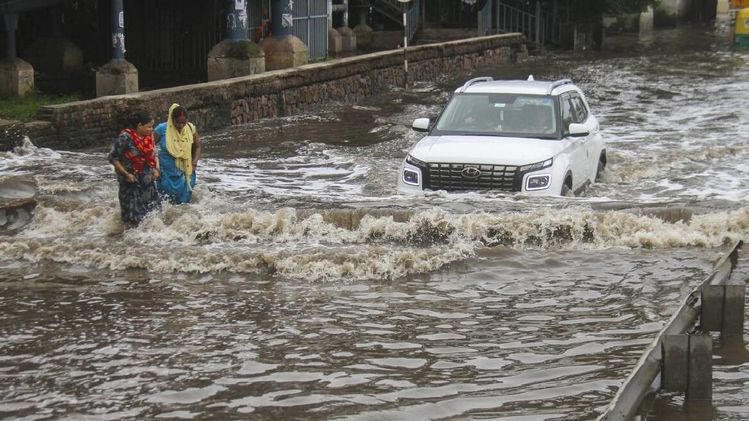
The India Meteorological Department (IMD) has issued a warning for heavy rain in Guwahati, raising concerns about possible urban flooding. With the monsoon intensifying, the city’s civic bodies and disaster management teams have begun preparing to handle the potential impact.
According to the IMD’s forecast, rainfall is expected to increase in intensity over the next three days. The alert comes amid a period of already saturated ground conditions, which could worsen waterlogging issues in low-lying areas. Authorities are now moving quickly to prevent major disruptions to daily life.
Read More: Sikkim Pakyong Airport Revival on Agenda as Centre, Airlines Meet
Rainfall Forecast and Areas at Risk
Meteorologists from IMD have predicted widespread rainfall across Assam, with Guwahati likely to see the heaviest showers. The alert specifically mentions the risk of flash floods in areas along the Bharalu and Bahini rivers, which often overflow during intense rain.
Officials have identified several flood-prone localities, including Anil Nagar, Nabin Nagar, Zoo Road, and Lachit Nagar, as high-risk zones. These areas have a history of severe waterlogging during heavy showers. Moreover, the city’s hilly regions face the additional risk of landslides, especially in areas where slope stability has been weakened by earlier rains.
The IMD has urged residents to remain alert and avoid unnecessary travel during peak rainfall hours. People living near riverbanks or in flood-prone zones have been advised to keep emergency supplies ready.
Disaster Management Teams on Standby
In response to the forecast, the Kamrup Metropolitan District Administration has activated its flood response teams. The State Disaster Response Force (SDRF) and the National Disaster Response Force (NDRF) have been placed on standby to handle emergencies.
Municipal authorities have begun clearing drains and removing garbage from culverts to improve water flow. This proactive cleaning aims to reduce the possibility of major waterlogging. Additionally, pump stations have been checked to ensure they are operational in case of heavy water accumulation.
Guwahati Municipal Corporation (GMC) officials stated that temporary flood relief camps could be set up if evacuation becomes necessary. The camps will be equipped with basic amenities like food, drinking water, and medical assistance.
Citizens Urged to Take Precautions
Authorities have stressed the importance of public cooperation in preventing flood damage. Residents have been advised not to dump waste in drains, as blockages worsen flooding during intense rain.
The district administration has also circulated a list of helpline numbers for emergency assistance. People are encouraged to report incidents of waterlogging, landslides, or damage to public infrastructure. Furthermore, those living in landslide-prone areas have been asked to relocate temporarily if possible.
Local NGOs and community groups are also stepping in to spread awareness about flood safety. Their campaigns focus on educating people about the dangers of wading through flooded streets, which can hide open drains and carry disease-causing bacteria.
Past Flooding Incidents Raise Concerns
The warning for heavy rain in Guwahati has revived memories of past flooding incidents. In June 2022, similar rainfall led to waterlogging in several key areas, disrupting traffic for hours and damaging property. The overflow of the Bharalu River then caused major traffic diversions and stranded many residents.
This year’s alert has therefore prompted extra caution. Meteorologists note that repeated heavy rainfall within a short span reduces soil absorption capacity, making flash floods more likely. Since Guwahati’s drainage system struggles with high-intensity rain, even short bursts can overwhelm its capacity.
Economic and Daily Life Impact
Heavy rains in Guwahati not only pose safety risks but also affect the city’s economy. Transport disruptions can halt the movement of goods, while businesses in flood-prone areas often face losses due to water damage. Street vendors, a major part of the city’s informal economy, suffer significant setbacks during prolonged rainfall.
Moreover, educational institutions may suspend classes if conditions worsen, and hospitals could face increased patient inflow due to waterborne illnesses. The government has thus prioritised preventive measures to limit such disruptions.
Long-Term Flood Management Plans
While immediate action focuses on the current heavy rain in Guwahati, long-term flood mitigation remains a priority. Authorities are working on improving drainage capacity, constructing new embankments, and developing rainwater harvesting systems.
Experts also recommend restoring wetlands and natural water retention areas around the city. These ecosystems help absorb excess rainwater, reducing flood risk. However, urban expansion has led to significant wetland loss, making the city more vulnerable to waterlogging.
The Assam government is collaborating with environmental agencies to create sustainable solutions. Projects to upgrade drainage networks and introduce flood-resilient urban planning are already in discussion.
Residents Remain Cautiously Prepared
With the IMD warning in place, residents are stocking up on essentials and keeping emergency kits ready. Many households are also safeguarding electrical appliances and furniture against possible water damage.
Social media groups have become an important tool for sharing weather updates, road closures, and safety tips. This community-driven information exchange helps people stay informed in real time.
As the city braces for the impact of the forecasted showers, officials continue to monitor rainfall patterns closely. If conditions worsen, further advisories will be issued to ensure public safety.
Conclusion
The IMD’s alert for heavy rain in Guwahati serves as a timely reminder of the city’s vulnerability to flooding. While civic authorities are taking extensive measures to prepare, public awareness and cooperation remain equally crucial. By following safety guidelines and staying informed, residents can minimise risks and navigate the challenges posed by the monsoon season.
Read More: Tripura Tourism Development Plans: Guides & Funding