






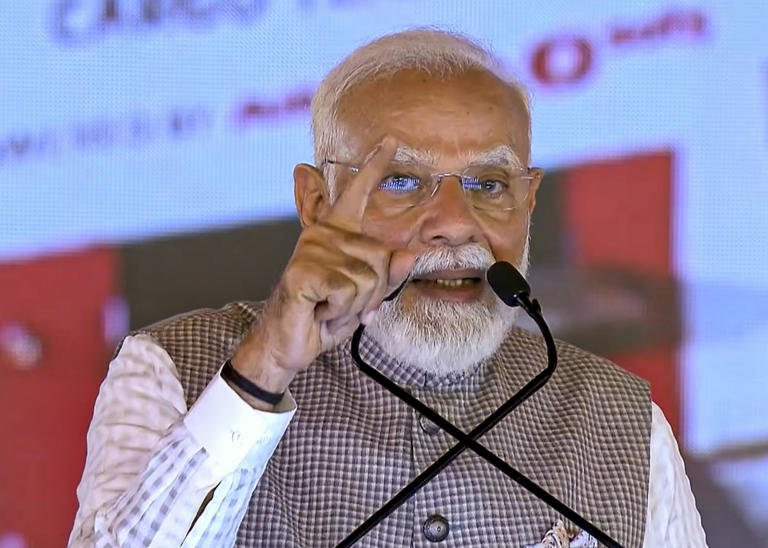
Prime Minister Narendra Modi has asserted that India is confronting the ongoing crisis in West Asia with “full strength,” emphasizing the country’s preparedness to tackle emerging challenges and safeguard its national interests. His remarks come amid escalating tensions in the region, which have raised global concerns over stability, energy security, and geopolitical balance.
The India West Asia crisis response has become a key focus of the government’s foreign policy, reflecting a combination of strategic planning, diplomatic engagement, and economic resilience. As developments continue to unfold, India’s approach aims to balance caution with proactive measures.
Read More: Congress to Unveil Manifesto for Assam Assembly Polls
India’s Preparedness in a Volatile Situation
Addressing concerns over the evolving situation, Narendra Modi stated that India is fully prepared to deal with any consequences arising from the crisis. He highlighted that the government has been closely monitoring developments and coordinating across multiple agencies.
Preparedness includes ensuring the safety of Indian citizens in the region, maintaining supply chains, and strengthening economic safeguards. The Prime Minister emphasized that lessons learned from previous global crises have helped India build a more robust response mechanism.
In this context, the government’s focus remains on minimizing disruptions and maintaining stability within the country.
Safeguarding Energy Security
One of the most critical aspects of the India West Asia crisis response is energy security. India relies significantly on oil imports from West Asia, making the region vital for its economic stability.
Prime Minister Narendra Modi noted that the government has taken steps to secure energy supplies and diversify sources. Strategic reserves and alternative supply arrangements are being utilized to mitigate risks.
Any disruption in the region could lead to fluctuations in fuel prices, impacting both industries and households. By proactively addressing these concerns, the government aims to cushion the economy from external shocks.
Focus on Indian Diaspora
Another major priority for India is the safety and well-being of its citizens living in West Asia. Millions of Indians reside and work in the region, contributing significantly to both local economies and remittances.
The government has been in constant communication with Indian missions abroad to monitor the situation. Emergency plans and support systems have been put in place to assist citizens if needed.
Narendra Modi reiterated that protecting Indian nationals remains a top priority. The government’s readiness to respond quickly provides reassurance to families across the country.
Diplomatic Engagement and Strategic Balance
India’s approach to the West Asia crisis reflects its broader foreign policy strategy of maintaining strategic autonomy. Rather than aligning with any specific bloc, India seeks to engage with all parties and promote dialogue.
Prime Minister Narendra Modi emphasized the importance of diplomacy in resolving conflicts. India continues to advocate for peace, stability, and cooperation in the region.
This balanced approach allows India to maintain strong relationships with multiple countries while safeguarding its own interests. It also enhances the country’s role as a responsible global player.
Economic Implications and Response
The West Asia crisis has significant economic implications, particularly in terms of trade and investment. Rising tensions can disrupt supply chains and create uncertainty in global markets.
India’s response includes measures to strengthen economic resilience. These include monitoring inflation, supporting key sectors, and ensuring financial stability.
The government is also working to maintain investor confidence by demonstrating its ability to manage external challenges effectively.
Political and Public Reactions
The statement by Narendra Modi has drawn attention from political leaders and the public alike. Supporters have praised the government’s proactive stance, highlighting the importance of strong leadership during global crises.
At the same time, some voices have called for continued transparency and communication. They emphasize the need to keep citizens informed about developments and policy decisions.
Overall, the response reflects a mix of confidence and caution, as the country navigates a complex international situation.
Lessons from Past Crises
India’s approach to the current situation is informed by its experience in handling previous global crises. From economic downturns to health emergencies, the country has developed mechanisms to respond effectively.
Prime Minister Narendra Modi pointed out that preparedness and adaptability are key to managing such challenges. By learning from past experiences, the government aims to enhance its response capabilities.
These lessons have contributed to building a more resilient system that can withstand external shocks.
Challenges Ahead
Despite the government’s preparedness, challenges remain. The situation in West Asia is dynamic and unpredictable, requiring constant vigilance.
Balancing economic stability with diplomatic commitments is a complex task. Ensuring energy security, protecting citizens, and maintaining global relationships are ongoing priorities.
However, the government remains confident in its ability to navigate these challenges through coordinated efforts and strategic planning.
Conclusion
The assertion by Narendra Modi that India is confronting the West Asia crisis with full strength highlights the country’s proactive and comprehensive approach. By focusing on preparedness, energy security, and diplomatic engagement, India aims to safeguard its interests in a rapidly changing global environment.
As the situation continues to evolve, the effectiveness of the India West Asia crisis response will play a crucial role in shaping the country’s economic and strategic trajectory. With strong leadership and coordinated efforts, India seeks to navigate the challenges while contributing to global stability.
Read More: Women, Youth Driving BJP Campaign in Assam: CM Sarma