





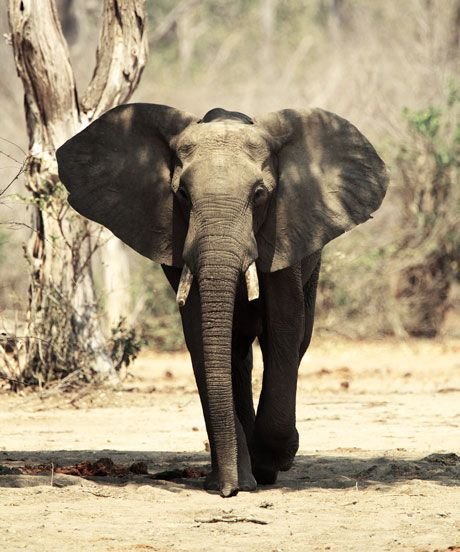
An injured elephant near Amchang Reserve in Assam has become the focus of growing concern and unrest in a nearby village, as it repeatedly wanders into human settlements in search of food. The injured elephant, with a visibly damaged leg, has disrupted daily life, blocked traffic, and raised serious questions about human-wildlife conflict and habitat loss.
The recurring visits have prompted villagers to erect makeshift barricades, and many are now calling on the state government and wildlife authorities to act swiftly. A long-term demand for forest corridors is gaining traction amid this latest episode.
The Ongoing Conflict: Villagers Trapped Between Sympathy and Safety
The elephant, believed to be a lone male around 25 years old, is limping badly and shows signs of malnutrition. Residents of the village located just outside the Amchang Wildlife Sanctuary say the animal first appeared two weeks ago and has since returned almost daily.
“We’re not angry at the elephant—we’re scared for our children and animals,” said Raju Das, a local farmer whose crops have been trampled twice in a week.
While the injured elephant in Amchang, Assam is not behaving aggressively, its sheer size and unpredictable movements pose a threat in the narrow village roads. Children are being kept home from school, and small shops are shutting early for fear of another encounter.
Why Is This Happening?
The elephant’s repeated forays into human areas are not random. Experts say it’s a direct consequence of habitat fragmentation and shrinking food sources in protected forest areas.
Habitat Loss and Urban Sprawl
The Amchang Wildlife Sanctuary, though protected, is increasingly surrounded by urban development, roads, and farmland. According to conservationists:
- Illegal encroachments have reduced elephant movement zones
- High-tension power lines and highways act as barriers
- There’s been a 15% decline in natural food availability in the last five years
Injury and Isolation
Forest officials suspect the elephant may have been injured by snare traps or barbed fencing while navigating private lands. The injury has made it difficult for the animal to keep up with its herd, pushing it closer to human settlements in desperation.
Local Response: Fear, Frustration, and Forest Corridors
Villagers have taken matters into their own hands by creating bamboo barriers and fire lines to prevent the elephant from entering, though these are temporary fixes.
“We need proper forest corridors. Otherwise, this will keep happening,” said Parbati Nath, a school teacher and local environmentalist.
What Are Forest Corridors and Why Do They Matter?
Forest corridors are strips of natural habitat that connect fragmented forests, allowing elephants and other wildlife to move freely and safely. Without them, elephants get trapped between towns, farmlands, and highways.
Benefits of Forest Corridors:
- Reduce human-wildlife encounters
- Lower crop and property damage
- Promote genetic diversity among wildlife populations
- Enable natural migration and herd rejoining
Assam has long discussed the creation of such corridors, especially connecting Amchang, Kaziranga, and Nameri, but progress has been slow.
Government and Wildlife Officials Step In
The Assam Forest Department has acknowledged the situation and sent a team to monitor the elephant’s movement. Officials say they’re evaluating:
- Use of drones for real-time tracking
- Temporary relocation, if the animal’s condition worsens
- Veterinary care and food drops to ease suffering
However, relocating an injured elephant is both risky and controversial.
“Tranquilizing and transporting an elephant in this state could cause more harm,” said a wildlife veterinarian from the Wildlife Trust of India.
Community and Conservation Must Work Together
This incident is part of a larger pattern of rising human-elephant conflicts in Assam, which saw over 100 such cases reported in 2024 alone. Experts emphasize that co-existence strategies must be prioritized.
A Silent Warning in the Forest
The injured elephant near Amchang, Assam is not just a story of one animal—it’s a symbol of a deeper crisis. As forests shrink and wildlife is pushed to the edge, human-wildlife conflict becomes inevitable unless proactive, ecological solutions are implemented.
Until then, the village lives in fear, and the elephant limps alone—searching not just for food, but for a way home.
READ MORE: New IIM Approved in Guwahati to Boost Northeast Education