




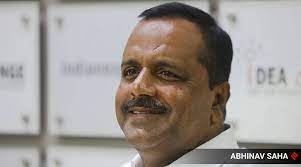
In a tumultuous session at the Karnataka Legislative Assembly on Wednesday, the combined opposition of Bharatiya Janata Party (BJP) and Janata Dal (Secular) [JD(S)] made a significant move by serving a no-confidence notice against Speaker U T Khader to the Assembly Secretary. The notice, jointly signed by BJP and JD(S) MLAs, including former Chief Ministers Basavaraj Bommai and H D Kumaraswamy, alleges that the Speaker has lost the trust of the House, demanding his removal.
Citing Rule 169 of the Rules of Procedure and Conduct of Business in the Karnataka Legislative Assembly, the opposition MLAs expressed their intention to present a motion for the Speaker’s removal. This development came on the same day when the Legislative Assembly witnessed chaotic and unruly scenes as angry BJP legislators tore papers, which were copies of bills and agenda items, and threw them at Deputy Speaker Rudrappa Lamani, who was presiding over the session.
The situation inside the Assembly was tense as the opposition took a firm stand against the Speaker. U T Khader, who had been elected by all the members of the Karnataka Assembly, now faces mounting opposition from the BJP and JD(S) over the alleged loss of trust. The no-confidence notice serves as a formal indication of their intent to initiate proceedings for his removal.
The chaotic scenes witnessed in the Assembly only added to the existing political drama. With the tearing and throwing of official documents, the session descended into disorder, causing disruptions and further fueling the opposition’s dissatisfaction with the current Speaker. Such unruly conduct further emphasizes the deep-seated divisions and animosity between the ruling and opposition parties in Karnataka.
The no-confidence notice against Speaker U T Khader reflects a broader political struggle in the state. The BJP and JD(S) have been vocal in their criticism of the current government’s policies and actions, and this move demonstrates their determination to challenge the ruling party’s authority.
As per Rule 169, the process for removing the Speaker requires proper deliberation and voting within the Assembly. If a motion of no-confidence is tabled, it will be subjected to debate, allowing both sides to present their arguments for or against the Speaker’s removal. The final decision would be determined by the majority vote of the members present during the session.
However, it’s worth noting that the process of removing a Speaker through a no-confidence motion can be a complex and politically sensitive affair. It involves not only the opposition’s efforts but also requires significant support from within the ruling party’s ranks. For such a motion to succeed, it is essential for a considerable number of members from the ruling party to vote against their own Speaker, which can be challenging to achieve.
The present situation in the Karnataka Assembly points to a significant rift in the legislative body and may lead to further disruptions in the functioning of the state government. The ruling party’s leadership faces the arduous task of managing internal dissent while responding to the opposition’s criticisms.
As events unfold, the political landscape in Karnataka is likely to witness intense negotiations and backdoor discussions as both sides attempt to gain an advantage in this high-stakes power struggle. The Speaker’s position will be under scrutiny, and the decisions made by the ruling party’s leadership and its legislators will play a pivotal role in determining the outcome.
In the coming days, the state government will be challenged to strike a balance between addressing the opposition’s concerns and ensuring the smooth functioning of the legislative process. The Speaker, U T Khader, will also have to respond to the no-confidence notice formally and participate in the ensuing debates, which could potentially influence the final verdict.
For now, the Assembly’s proceedings remain under the shadow of chaos and political tension, with the future direction of Karnataka’s governance hanging in the balance. The eyes of the public and political observers will be fixed on the unfolding drama, as the fate of the current Speaker and the stability of the government are at stake.